Brazil’s Fiocruz plans medicine and diagnostics push into African markets
Brazil’s Fiocruz is exploring direct sales of medicines and diagnostic products in African markets at the same prices offered to Brazil’s public health system. The state institution is also seeking local partners for technology transfer and production, initially focusing on pilot projects in Zambia and Mozambique.
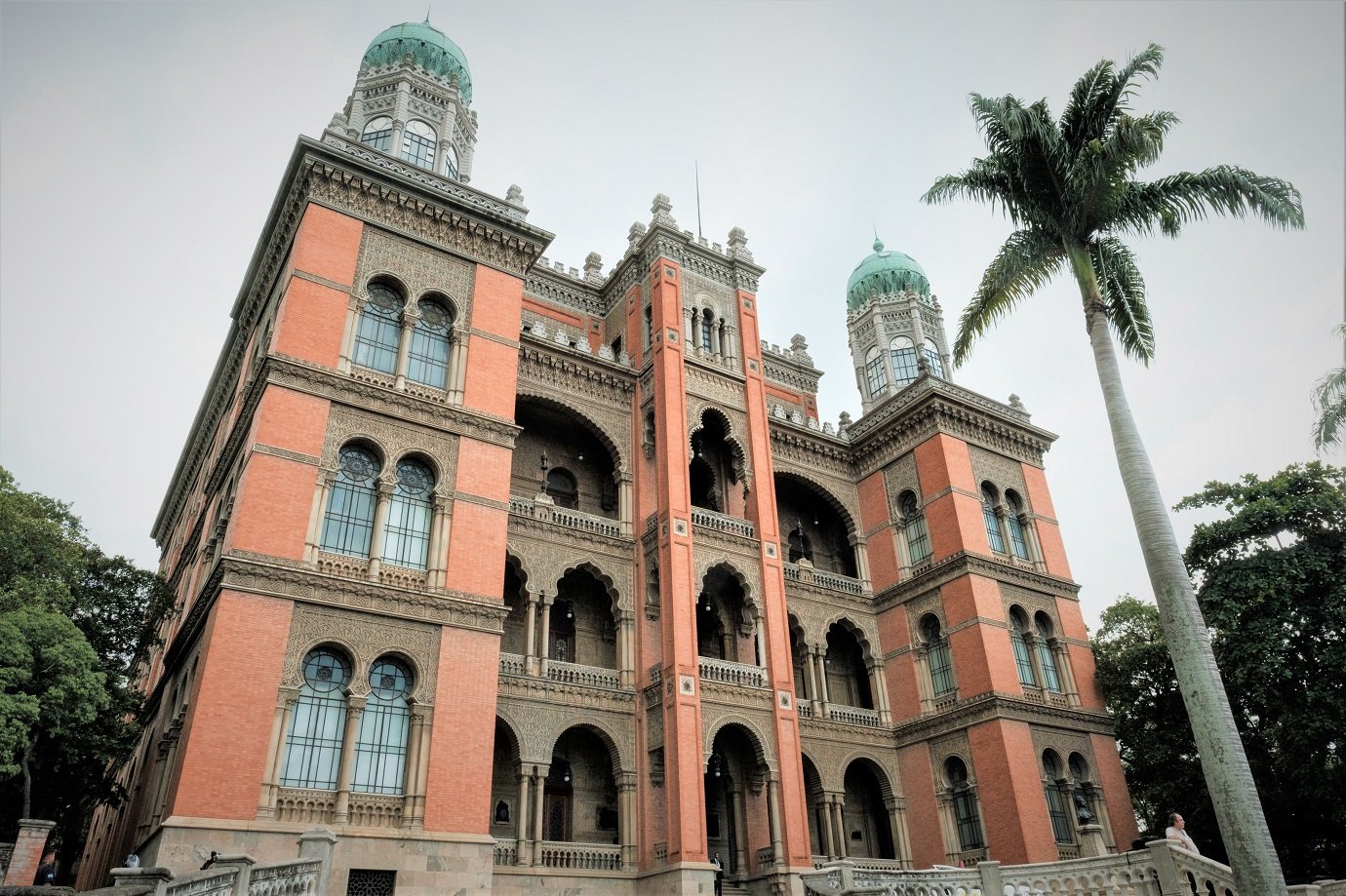
Direct sales planned at Brazilian public-health prices
Brazil’s Oswaldo Cruz Foundation, known as Fiocruz, is preparing to expand its commercial presence in Africa through direct sales of medicines and diagnostic products, alongside partnerships for technology transfer and local production.
According to EXAME, the state institution intends to offer medicines to African buyers at the same prices it charges Brazil’s Unified Health System, or SUS. Ramon Lemos Calaça das Neves, an adviser to Fiocruz’s Vice-Presidency of Production and Innovation in Health, said the foundation would not add an extra margin to products supplied under the initiative.
The products under consideration include medicines used in Brazilian Ministry of Health programs addressing malaria, HIV, hepatitis C and tuberculosis. Rapid and molecular diagnostic tests are also being evaluated. Fiocruz has not established a revenue target, and the initiative remains at the market-prospecting stage as the institution seeks to diversify its income.
The proposed pricing policy could support access in cost-sensitive health systems, but market entry will depend on national registration rules, procurement structures and distribution channels. Fiocruz expects to begin with small pilot projects and expand gradually as it gains experience with each country’s regulatory environment and healthcare system.
Zambia and Mozambique serve as initial markets
Fiocruz explored potential partnerships during an ApexBrasil mission to Zambia and Mozambique, where its representative held meetings with local private companies, EXAME reported. The institution may work with governments or businesses depending on how medicines are purchased and distributed in each market.
That distinction is important because many African health systems do not follow Brazil’s centralized SUS model. In some countries, patients obtain medicines through private pharmacies even when products are subsidized. Fiocruz therefore expects local partners to provide knowledge of regulatory requirements, distribution networks and the structure of national health services.
Mozambique offers an existing institutional base. Brazil previously donated a medicine factory to the country, while Fiocruz has provided education and professional training there. The foundation also maintains an office inside the Brazilian embassy in Mozambique, which is being restructured as part of the broader African strategy.
Technology transfer central to expansion model
Fiocruz’s plans extend beyond shipments from Brazil. The foundation is evaluating technology-transfer agreements that would help establish production of essential health products within African countries. It does not intend to build and operate factories on the continent alone. Its preferred model involves public or private local partners capable of receiving the technology and managing production within domestic regulatory and distribution systems.
The approach represents a change from Fiocruz’s established international supply model. The institution already supplies yellow fever vaccines to other countries, but those transactions have generally been conducted through multilateral organizations including the World Health Organization, the Pan American Health Organization, UNICEF and Gavi. The new strategy would create more direct relationships with governments and local companies.
Vaccine expansion constrained by capacity
Vaccines are excluded from the first stage because Fiocruz’s current production capacity is fully utilized. Any later inclusion of vaccines will depend partly on completion of the Health Biotechnology Industrial Complex in Santa Cruz, in western Rio de Janeiro.
EXAME reported that the delayed project is designed to include 46 buildings on a 580,000-square-metre site and produce 120 million vials of immunizers annually. Around 1.2 billion reais has already been allocated to construction and equipment, while Fiocruz estimates that another 5.4 billion reais is required to complete it. Production is expected to begin at the end of 2028 at the earliest.
Until that capacity becomes available, Fiocruz’s African expansion will remain centered on medicines and diagnostics. The pace of development will depend on securing suitable partners, meeting national regulatory requirements and converting initial discussions in Zambia and Mozambique into operational pilot projects.