Brazil's Fed-Cattle Market Weakens as Domestic Beef Demand Softens
Brazil's boi gordo (fed-cattle) market turned weaker this week amid soft domestic beef consumption, according to Globo Rural. Deals were scarce and quotations pressured, while some slaughterhouses cut Saturday shifts and trimmed schedules to avoid meat stocks.
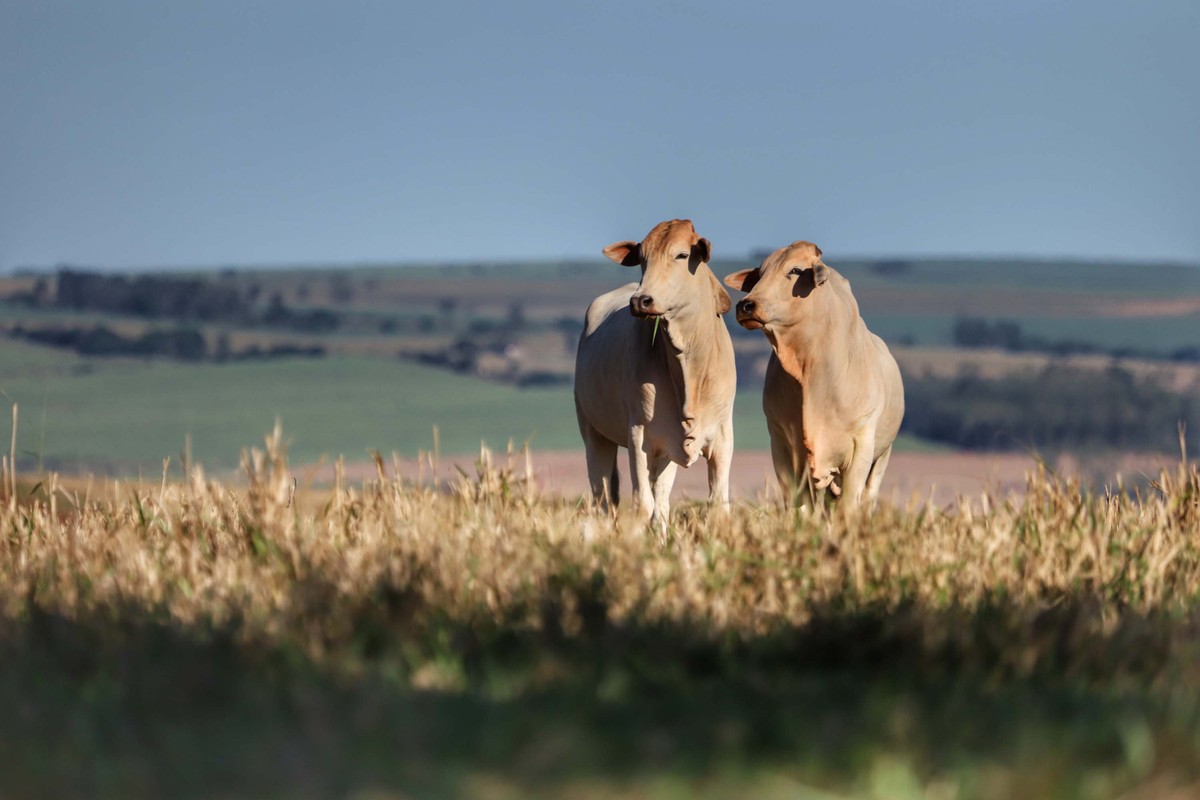
Brazil's fed-cattle market moved lower this week as weak domestic beef consumption pressured prices and thinned the flow of business, according to Globo Rural. On Tuesday, July 7, trading in the boi gordo (finished cattle) market was described as softer, with fewer deals and quotations under pressure.
Weak domestic demand sets the tone
Globo Rural reported that cattle supply had been broadly aligned with demand, so the driver of the weaker market was not an oversupply of animals but slack consumption of beef at home. With retail and wholesale beef offtake subdued, meatpackers stepped back from the market, and the reduced buying appetite translated into pressured live-cattle quotations.
The result was a session marked by limited trade. Sellers and buyers struggled to close deals, and prices for finished cattle drifted lower rather than firming, reflecting the cautious stance of processors facing soft downstream demand.
Slaughterhouses trim schedules to avoid stocks
To keep supply in check with demand, some slaughterhouses stopped slaughtering on Saturdays and adjusted their processing programs, according to Globo Rural. The stated aim was to avoid building up meat inventories and to keep their kill schedules — the queue of cattle lined up for slaughter — under control.
Cutting Saturday shifts is a direct lever on throughput: fewer operating days mean fewer animals processed and less finished beef entering the market. For the cattle trade, that reduced processing pace lowers packers' immediate need to buy animals, adding to the downward pressure on boi gordo prices already coming from weak consumption.
Export-ready cattle lose momentum
Alongside the softer overall market, interest in young cattle suitable for export declined, Globo Rural noted. That category — animals of the profile favored for export programs — had been drawing demand, but buyer appetite for these animals eased this week.
The cooling interest in export-ready young cattle is a signal worth watching for the trade. It suggests processors saw less reason to accelerate purchases of animals earmarked for export channels, in line with the broader caution across the market. Combined with pared-back slaughter schedules and subdued domestic beef demand, the reduced pull on these animals reinforced the weaker tone in Brazil's live-cattle market this week.
What it means for the trade
For now, the picture is one of a market where physical supply is not the constraint — domestic beef offtake is. Until consumption at home picks up, packers have little incentive to lift their buying pace, and finished-cattle prices remain exposed to further pressure. The step-down in interest for export-ready young cattle adds a note of caution around the near-term outlook for the animals that feed Brazil's export supply chain.