Brazil expands flex ethanol plants using sugarcane and corn
Brazil’s 12 operating flex mills can process sugarcane and corn, supporting year-round ethanol production and reducing equipment downtime. The facilities supplied between 1.8 billion and 2.2 billion liters in 2025/26, equal to as much as 6% of national output.
Dual feedstocks extend the production calendar
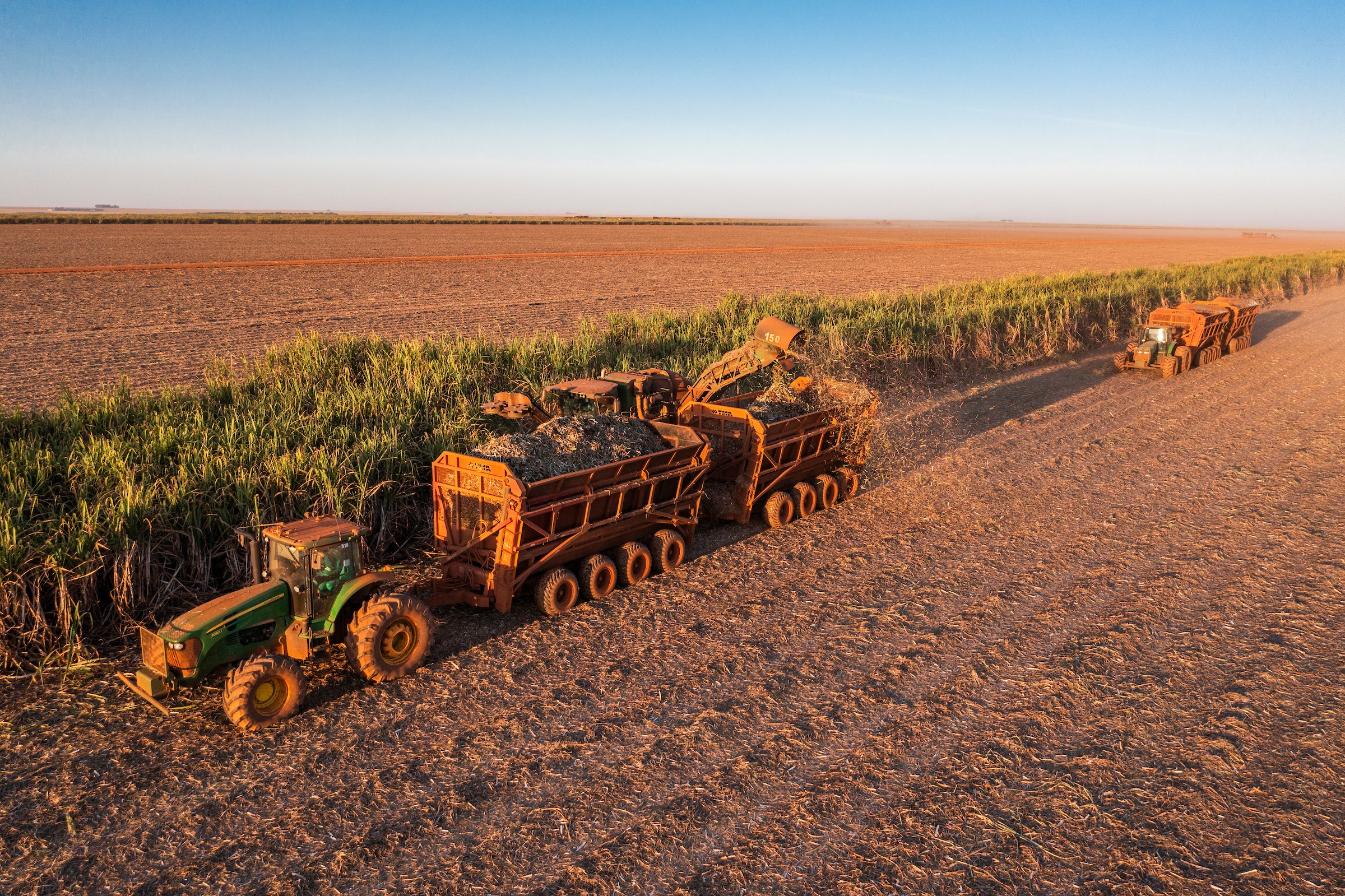
Brazilian ethanol producers are investing in flexible mills that process both sugarcane and corn, seeking to increase capacity utilization, lower costs and reduce dependence on the sugarcane harvest calendar. Corn can be stored and processed during the cane offseason, allowing plants to operate throughout the year and supporting a more stable domestic fuel supply.
According to O Globo, Brazil has 12 flex mills in operation: ten in the center-south and two in the Northeast. The Brazilian Sugarcane and Bioenergy Industry Association, Unica, estimates that these facilities already account for as much as 6% of national ethanol production. They produced between 1.8 billion and 2.2 billion liters in the 2025/26 cycle.
The model is gaining importance as corn ethanol expands. Brazil’s Energy Research Office, EPE, expects corn-based fuel to represent almost half of the increase in ethanol production through 2035. Flexible plants allow this growth to use parts of the industrial base, energy systems and logistics already developed for sugarcane.
Shared assets improve plant economics
Cargill Bioenergia operates an integrated sugarcane-and-corn facility in Quirinópolis, Goiás. Director-General Ronaldo Bezerra told O Globo that processing corn during the cane offseason lengthens the operating period and improves the productivity of industrial investment. The system also produces corn oil and distillers dried grains, or DDGs, for animal nutrition.
Sugarcane bagasse provides another operational advantage because it can supply energy for cogeneration, reducing the need for external sources. CerradinhoBio, which has plants in Goiás and Mato Grosso do Sul, uses attached cane and corn facilities with shared inputs. Chief Financial and Administrative Officer Galvão Oliveira said this arrangement limits investment requirements and creates economies of scale.
CerradinhoBio has capacity to process 6.1 million tonnes of sugarcane and 1.85 million tonnes of corn. These volumes illustrate how the flex model connects two large agricultural supply chains. For cane producers, it can keep existing industrial infrastructure productive outside the harvest. For corn suppliers, it creates an additional source of demand linked to the fuel market.
Emissions and new integrated projects
The environmental performance depends partly on farming practices and land use. Embrapa Meio Ambiente researcher Nilza Patrícia Ramos said flex mills operating without land-use change have recorded carbon footprints of 17 to 30 grams of carbon dioxide equivalent per megajoule of biofuel, compared with 87 grams for gasoline C without blending. Better use of cane biomass for energy can further reduce emissions from the combined operation.
Atvos plans to convert its Santa Luzia unit in Nova Alvorada do Sul, Mato Grosso do Sul, into its first energy-transition complex. The project will integrate sugarcane and corn ethanol, bioelectricity and a biomethane plant using filter cake and vinasse. Corn ethanol capacity is planned at 273 million liters in 2028, while biomethane production, expected to begin in 2027, is projected at 28 million cubic meters per year. The investment shows how flex mills are moving beyond ethanol alone by combining fuel, electricity, animal-feed coproducts and renewable gas.