Brazil sees no quick return to EU meat market as beef exclusion may run to 2027
Brazil loses access to the EU market for meat and animal products when a revised supplier list takes effect on September 3, according to Estadão. Poultry could return within weeks, but beef may stay excluded until 2027 because of the long cattle cycle. Brazil ships about US$1.8 billion in animal protein to the bloc each year.
Brazil dropped from EU animal-protein supplier list
Brazil will lose access to the European Union market for meat and animal products when a revised list of approved suppliers takes effect on September 3, according to Estadão. The Brazilian government and exporters see no room for an immediate reversal, people close to the negotiations told the newspaper.
The exclusion stems from Brazil's failure to meet EU requirements on the use of antimicrobials in livestock, set out in Regulation (EU) 2019/6, which the bloc introduced in 2023. The EU's executive committee, Scopaff, updated the list on May 12, removing Brazil from the group of countries that comply with the rules. The measure covers beef, chicken, fish, eggs and honey.
Poultry: reversal possible within weeks
For poultry and its by-products, the outlook is more positive. Sources cited by Estadão expect the situation could be reversed in about a month. Brazil adopted new antimicrobial-control protocols on July 1 covering the animals' full life cycle — around 40 days for chickens. Because that cycle is short, exporters expect to submit the new controls for EU reassessment by mid-August, then request an extraordinary Scopaff meeting to restore Brazil as a supplier of poultry products and derivatives.
Beef: no return seen before 2027
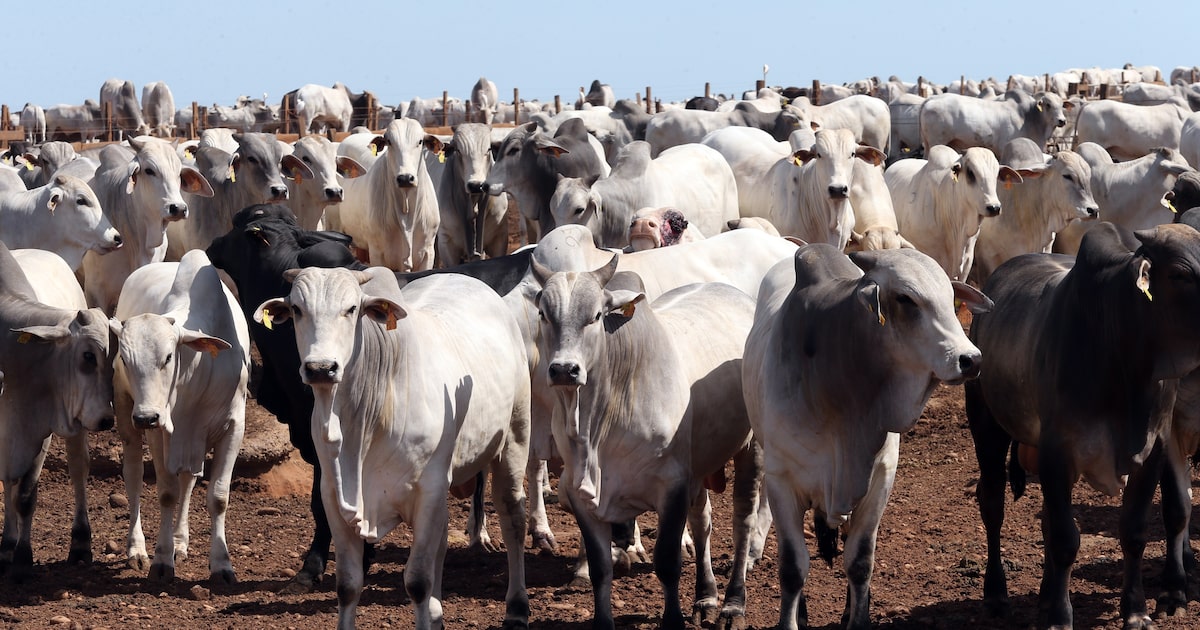
The situation for beef is considered critical. Cattle have a life cycle of 24 to 36 months, and the EU has indicated it will only reassess Brazil's case after a full cycle under the new protocol is complete. As a result, Brazil could remain shut out of the European beef market at least this year, with the exclusion possibly extending to 2027. Beef is treated as the most sensitive point of the dispute because of the long production chain.
What the EU is demanding
Brussels is asking Brazil for additional guarantees that meat and animal products sold to the bloc are not produced with certain antimicrobials, in particular antibiotic growth promoters. That requires segregating production and having the government certify that private-sector protocols are followed and enforced. Brazil presented the new procedures, in force since July 1, to the European Commission's health and food safety directorate (DG Santé), which must validate them before Scopaff can re-examine the case. Any new recommendation would then need Commission approval, repeating the process used for the exclusion.
The Scopaff committee held one of its periodic meetings on Thursday to discuss animal health and import conditions, but Brazil's return was not expected to be on the agenda, as the country is not yet ready to certify compliance. The committee's next meeting is scheduled for September 17-18, after the revised list has taken effect. The issue has been under discussion with EU health authorities since November 2023.
Trade impact
Brazil exports about US$1.8 billion in animal protein to the EU each year, a market prized for its higher returns. The meat industry fears lasting obstacles to European access, with beef facing the longest road back.