Brazil's Ethanol Debuts as Marine Fuel on First Container Ship From Santos
The CMA CGM Iron departed Santos running on Brazilian ethanol, sailing to China via Sri Lanka and Singapore in the first voyage of its kind. The test comes as the IMO prepares net-zero shipping rules and Brazilian producers eye a market that could absorb billions of liters of ethanol.
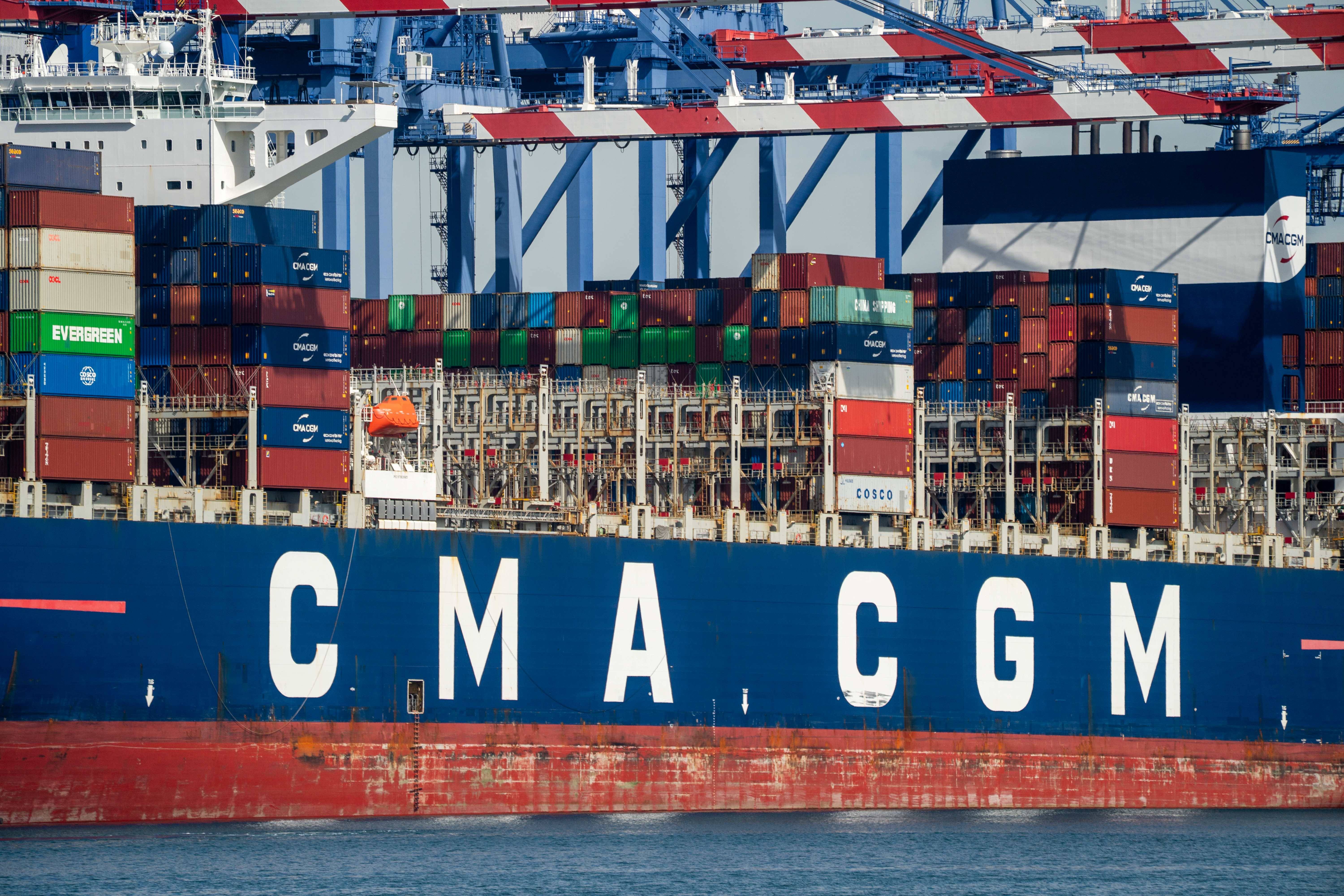
First ethanol-fueled container ship departs Santos for Asia
The first container ship to operate on ethanol produced in Brazil was set to depart the port of Santos early Tuesday, according to Bloomberg, in an unprecedented test for the country's biofuel industry and a step toward cutting maritime emissions.
The CMA CGM Iron, adapted to run on methanol, ethanol and conventional bunker fuel, will sail toward Asia with stops in Sri Lanka and Singapore before reaching its final destination, China. The vessel is carrying mixed cargo.
“Brazil is strategic for us and for the rest of the world,” said Neusa Marcelino, chief executive of the Brazilian operations of French shipping group CMA CGM, calling the ethanol-fueled voyage a bold step in decarbonizing maritime transport.
A potential multibillion-liter market for Brazilian ethanol
Using ethanol as a marine fuel could create a large market for biofuel producers and farmers in Brazil, the world's second-largest ethanol producer after the United States, as companies expand local production capacity of the renewable fuel.
Narciso Bertholdi, who sits on the boards of two Brazilian corn-based ethanol producers, said the shipping industry consumes approximately 250 million tonnes of fuel per year. Replacing just 10% of that volume with ethanol would generate demand of 32 billion liters — nearly equivalent to Brazil's entire ethanol market. Brazil produced 37 billion liters of ethanol in the season that ended in March, according to Brazilian sugarcane industry association UNICA.
IMO's net-zero rules and fleet expansion
Global shipping accounts for up to 3% of global greenhouse gas emissions, according to a 2020 study by the International Maritime Organization (IMO). If it were a country, the sector would rank as the sixth-largest emitter in the world, between Japan and Germany, according to the World Bank.
The inaugural voyage comes as the IMO prepares to impose a global net-zero emissions framework on shipping. The guideline was approved in April 2025, but formal adoption was postponed to December 2025 following pressure from the United States. Bertholdi said US support for the guidelines would accelerate ethanol's adoption as a marine fuel.
In May, the IMO cleared Brazilian ethanol made from second-crop corn ahead of the net-zero rules taking effect. A month earlier, mining company Vale ordered new ethanol-powered Guaibamax vessels from a Chinese shipyard, with delivery expected in 2029; the company said these could be the first vessels to run on 100% ethanol for iron ore shipping. CMA CGM, which owns the ship on the inaugural Brazilian voyage, aims to have about 200 vessels adapted to run on renewable fuels by 2031, out of a current fleet of 700 ships.
According to the World Shipping Council, around 440 dual-fuel container ships and vehicle carriers capable of running on renewable or lower-emission fuels are currently in operation worldwide, up from 267 in March 2025. Globally, 1,204 dual-fuel vessels had been ordered or delivered as of March, compared with just 83 five years ago.
Regulatory hurdles remain
Brazilian companies continue to expand corn ethanol production capacity, with demand from maritime renewable fuel use seen as crucial to absorbing the additional supply.
Still, global shipping rules will need to evolve to make biofuels scalable for maritime use, said Filippe Fernandez, commercial director for Latin America at bunker trader Bunker One. European Union rules, which exclude first-generation biofuels made from corn and sugarcane, represent a major obstacle, he said. “Testing a fuel is one thing,” Fernandez said. “Building a market around it is another.”