Brazil's DDG output could top 15 million tonnes by 2030 as China and Chile open to the corn-ethanol coproduct
Brazil's production of dried distillers grains (DDG) may exceed 15 million tonnes by 2030, according to a projection by the União Nacional do Etanol de Milho (Unem). China began buying the corn-ethanol coproduct in February 2026 and imported 262,100 tonnes through June, becoming the leading destination, while Chile opened its market in the same year.
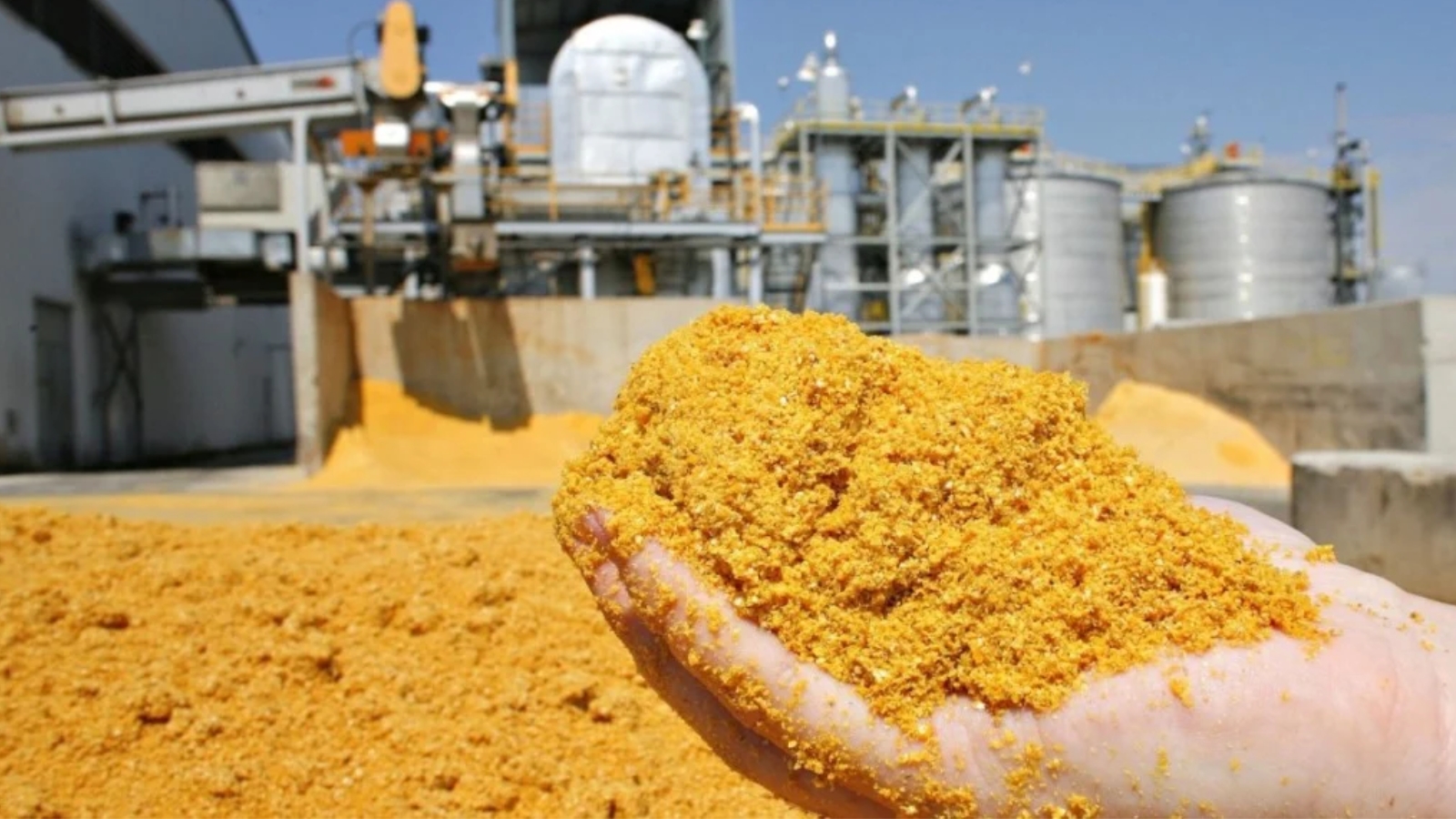
Brazil's production of dried distillers grains (DDG) could surpass 15 million tonnes by 2030, according to a projection by the União Nacional do Etanol de Milho (Unem), the country's corn ethanol association. The estimate, reported by arede.info citing Canal Rural, tracks the pace of expansion of the corn-ethanol biorefineries installed in the country.
DDG is a coproduct obtained during the industrial processing of corn for ethanol production. Rich in protein and energy, it is widely used in the nutrition of cattle, poultry and pigs, and has established itself as an important additional source of revenue for the plants. The same corn stream also yields oil and other animal feed ingredients, raising the share of the grain converted into saleable products.
Export markets opened in 2026
China began purchasing Brazilian DDG in February 2026 and imported 262,100 tonnes through June, a volume that made the Asian country the main destination for Brazilian exports of the input in the period, arede.info reported. Chile authorised imports of the Brazilian-produced ingredient in the same year, adding a second new outlet beyond the domestic feed sector.
The diversification of export destinations is lifting revenue at producing units. “DDG is no longer in a secondary position and now contributes directly to the profitability of the plants. This market also moves storage, logistics, automation and process control,” said Ágata Turini, CEO of Fertron and state director of Ciesp-SP.
Flaking raises starch digestibility
Corn industrialisation in Brazil is advancing with technologies aimed at improving the nutritional value of the cereal in the animal feed sector. One of the main techniques is flaking, which applies steam at very high temperature combined with roller compression to alter the structure of the starch, making it easier for animals to digest.
According to data presented by Luiz Gustavo Nussio, a professor at the Luiz de Queiroz College of Agriculture of the University of São Paulo (Esalq/USP), starch digestibility can reach 90% to 95% in flaked corn, against close to 80% in conventionally processed grain. Practical results can vary with diet composition, management, herd genetics and specific processing conditions. Higher nutritional efficiency reduces the total volume of feed needed per unit of meat produced, cutting costs in systems such as feedlots.
“In large-scale operations, small variations in feed conversion have an impact on costs. The analysis comes to consider not only the price per tonne of corn, but how much result it can generate,” Turini said.
Investment pipeline and product standards
Continued growth in corn ethanol and its coproducts is expected to attract new financial and industrial investment to Brazil. According to arede.info, the opportunities span:
- installation of new processing units;
- feed mills built close to the biorefineries;
- integrated projects combining crop production, energy generation and animal protein.
The expanding chain is also driving demand for logistics infrastructure, storage capacity, automation, energy efficiency and process control technologies. A further strategic pillar is the creation of ingredients with homogeneous standards for different animal nutrition segments. To secure a larger share of global and domestic markets, the sector will need to invest in research, technological development, safety protocols and continuous compliance with the sanitary and commercial requirements of buying countries.
Adding value to the grain
“Brazil already has agricultural scale and a consolidated biofuels industry. The next step is to add value to corn, turning the grain into energy, ingredients, protein and products with greater market potential,” Turini concluded.