Brazil Leads Global Cotton Exports as Domestic Mill Demand Weakens
Brazil holds the lead in global raw cotton exports while its textile and apparel industry cuts output, according to Economic News Brasil. Conab estimated 2026 domestic consumption at 730,000 tonnes against projected exports of 3.225 million tonnes, and Abit data show apparel imports up 50.3% between January and August. Congress has approved MP 1.357/2026, which would allow a zero import tax on parcels up to US$50.
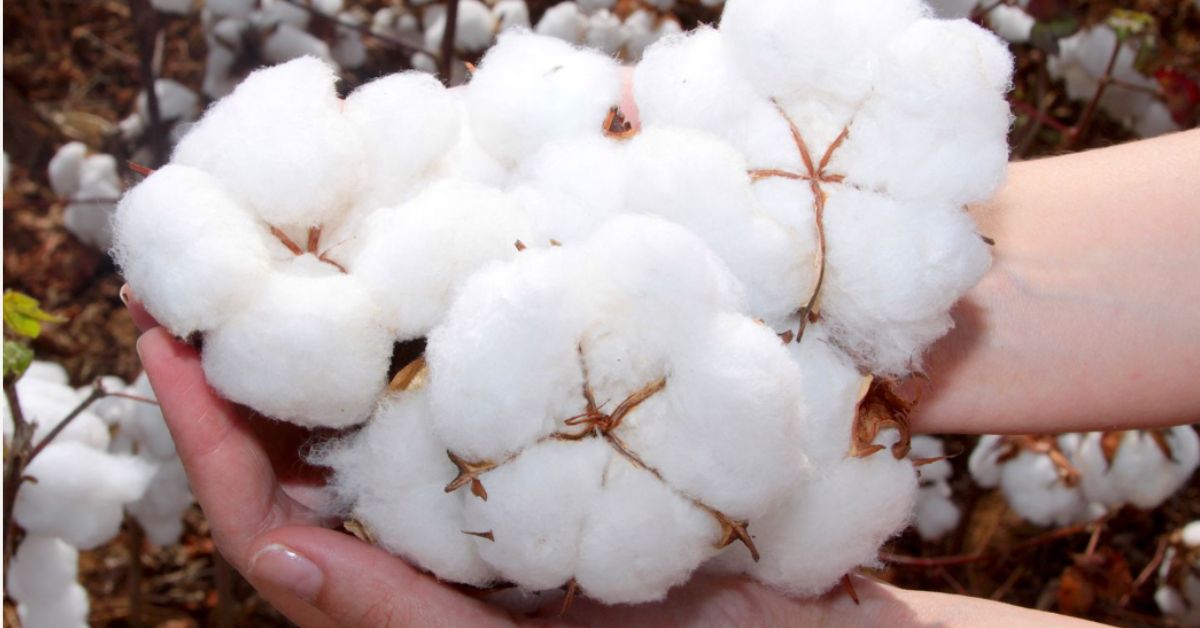
Brazil leads global exports of raw cotton, but the industrial chain that converts the fibre into fabric and garments inside the country is shrinking, according to Economic News Brasil. Domestic mills are reducing output while imported clothing gains ground on the local market.
The contrast sharpened after Congress approved Provisional Measure 1.357/2026, known as the “MP das blusinhas”. The text allows the Ministry of Finance to zero the import tax on international parcels worth up to US$50, and it now awaits presidential sanction. Representatives of the cotton and textile chain argue that the tax advantage given to foreign goods can take market share from domestic production.
Exports dwarf domestic mill demand
Figures from Conab, the national supply agency, show how uneven the two channels have become. In April, Conab estimated domestic consumption of 730,000 tonnes of cotton lint in 2026, against projected exports of 3.225 million tonnes for the same year.
- Domestic consumption estimate for 2026: 730,000 tonnes of lint (Conab, April)
- Export projection for 2026: 3.225 million tonnes (Conab, April)
- 2025/26 crop output: 3.97 million tonnes (Banco do Nordeste)
Shipments are also accelerating. Export volume rose 21.4% between January and June, according to a study by ETENE, the economic research office of Banco do Nordeste. With foreign sales already several times larger than mill purchases, a further cut in domestic buying would not by itself halt Brazilian cotton production, but it would further reduce the weight of the home market for growers and concentrate their revenue in export channels.
Garment output falls, imports climb
Data from Abit, the Brazilian Textile and Apparel Industry Association, presented during the legislative debate, show apparel production down 6.8% from January to July against the same period of 2025, while textile production fell 3.9%.
Clothing imports moved in the opposite direction, rising 50.3% between January and August. Abit argues that maintaining different tax conditions for small foreign parcels widens the disadvantage of Brazilian textile companies and, indirectly, of domestic cotton production, since mills are the intermediate link between the crop and the shelf.
Enforcement provisions cut both ways
Abit also recognises positive elements in the approved text, including stronger customs enforcement and mechanisms against under-invoicing, incorrect product classification and the artificial splitting of orders into smaller consignments.
Those provisions matter because the net effect of the measure on import volumes depends on how the exemption and the controls interact in practice, once the Ministry of Finance decides whether to apply the zero rate to parcels below the threshold.
Demand risk is indirect, not proven
The measure alone does not establish that demand for Brazilian cotton will fall. Conab itself projected in April a slight increase in domestic consumption in 2026, while flagging risks tied to the economic slowdown and to the international environment.
The concern raised by the chain is a second-order effect: if competition from imported garments contributes to lower output at Brazilian factories, cotton loses part of its domestic buyer and becomes relatively more dependent on exports. That raises the importance of variables growers do not control, including international demand, the exchange rate, freight and commercial conditions in the main destination markets. The next concrete step is presidential sanction of the text approved by Congress, with the legislative deadline under way.