StoneX sees Brazil’s 2026/27 cotton area rising 4.4% as global prices recover
StoneX projects Brazil’s cotton planted area will expand 4.4% in the 2026/27 season to 2.07 million hectares. The forecast, reported by Forbes Brasil, links the increase to a recovery in international cotton prices.
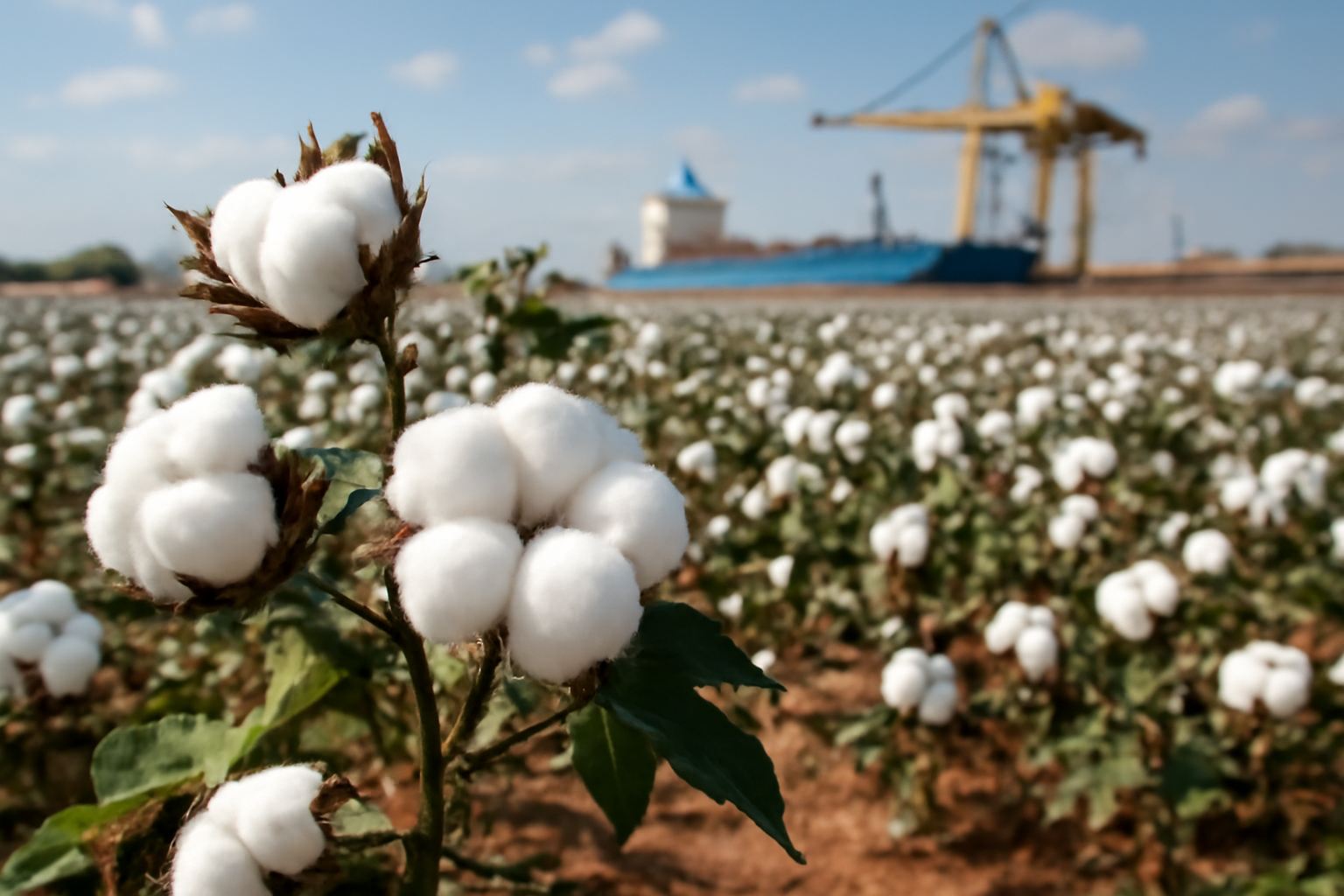
Planted area forecast at 2.07 million hectares
Brazil’s cotton planted area is expected to expand in the 2026/27 season as improved international prices strengthen the incentive to grow the crop. StoneX projects an area of 2.07 million hectares, 4.4% more than in the previous cycle, according to a forecast reported by Forbes Brasil.
The estimate signals that price conditions are becoming more favorable for Brazilian cotton producers. The projected increase remains a forecast rather than a confirmed planting result, and the final area will depend on the decisions farmers make before and during the planting period. Even so, a 4.4% expansion would bring additional land into cotton production and could raise the sector’s demand for seeds, crop inputs, machinery and processing services.
International prices shape planting decisions
StoneX identifies the recovery in international cotton prices as the principal factor supporting the expected increase. For growers, stronger external prices can improve the prospective return from cotton and make an expansion more attractive when land and capital must be allocated among crops. Price movements therefore matter not only to farms but also to ginners, merchants and other companies planning activity around the 2026/27 harvest.
The forecast does not provide a production-volume estimate, so the projected area increase should not be read as an equivalent rise in output. Production will also depend on yields and growing conditions. Nevertheless, the area figure offers an early indicator of the amount of cotton that could reach farms, processing facilities and commercial channels if the planting projection is realized.
Implications for the cotton supply chain
An area of 2.07 million hectares would require companies across the domestic supply chain to prepare for a larger planted base. Input suppliers may see stronger demand from cotton farms, while ginners and traders will need to follow planting progress and the eventual crop size. For producers, the key question is whether the international price recovery lasts long enough to support the economics assumed when planting plans are made.
The outlook is also relevant to buyers and market analysts assessing Brazil’s future cotton availability. More planted land expands the potential supply base, but the effect on physical volumes cannot be established from the area forecast alone. Market participants will need to compare StoneX’s projection with actual planting, subsequent yield expectations and international price behavior as the 2026/27 season develops.