Stronger cotton margins support Brazil acreage recovery, but financing and planting windows constrain growth
Brazil’s cotton area could recover in the 2026/27 season as higher prices improve producer margins. Agroconsult forecasts about 2.2 million hectares, up roughly 7%, while Abrapa expects growth of 8% to 10%, subject to credit, costs, soybean timing and competition from corn.
Forecasts point to an acreage rebound
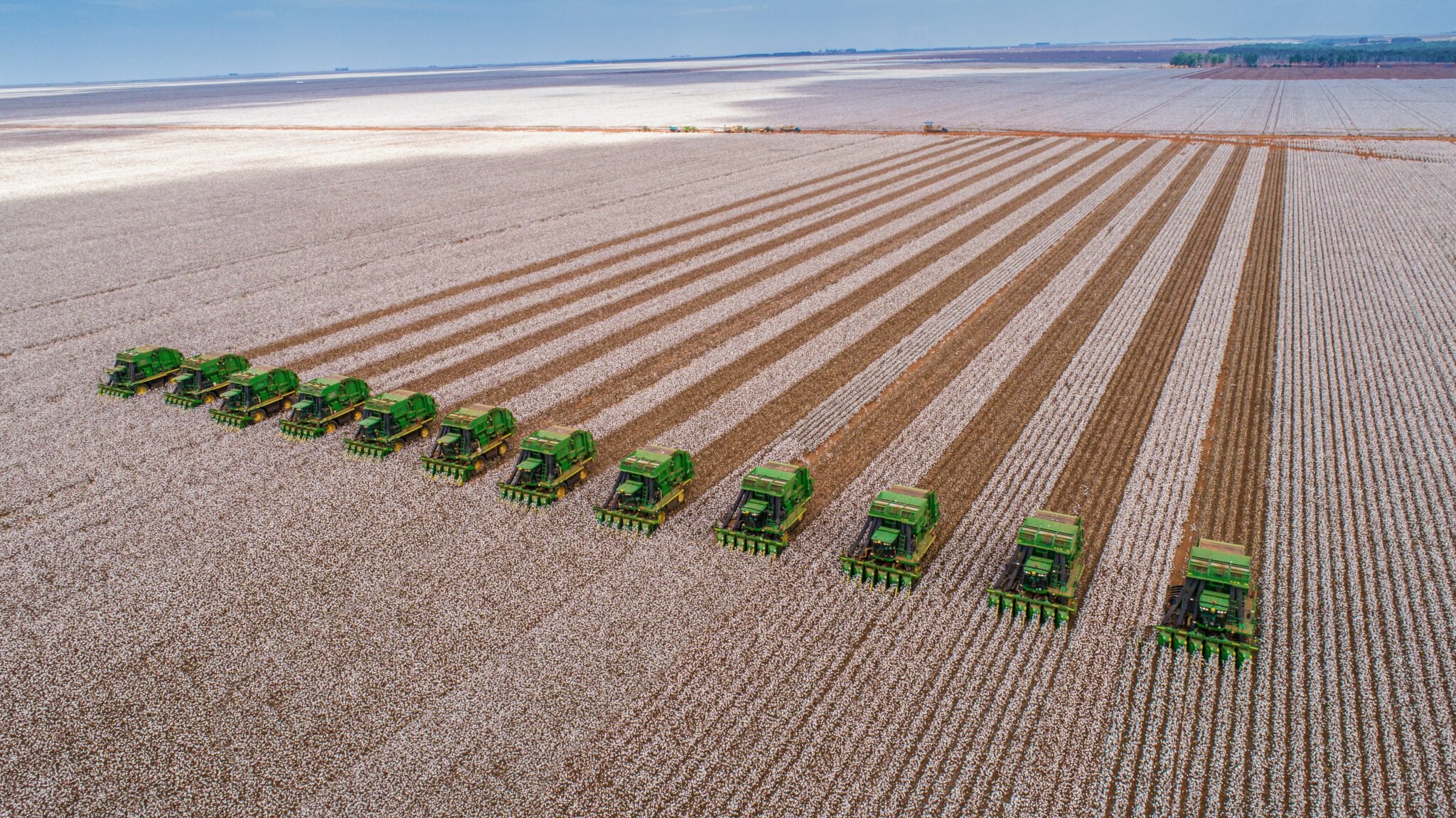
Brazil’s cotton industry is preparing for a possible recovery in planted area in the 2026/27 season after higher prices improved the crop’s margins. Agroconsult currently estimates an area close to 2.2 million hectares, an increase of about 7%, while the Brazilian Cotton Producers Association, Abrapa, projects growth of 8% to 10%, Notícias Agrícolas reported.
The expansion is not assured. Production costs, access to credit, competition with corn, the planting window left after the soybean harvest and weather conditions will determine how much land can actually be planted. Agroconsult CEO André Pessoa said during the Brazilian Cotton Congress in Belo Horizonte, Minas Gerais, that the area could return to a level similar to that recorded two seasons earlier. The consultancy expects Mato Grosso’s area to rise by close to 8.5% and exceed 1.5 million hectares, with Bahia also expanding.
Higher prices improve margins, but total costs remain uncovered
Pessoa said the improved outlook was not driven by a substantial reduction in production costs. Higher fertilizer prices, particularly for phosphate products, offset part of the relief that could otherwise have made 2026/27 a lower-cost season. Instead, the recent appreciation in cotton prices improved producers’ terms of trade compared with the first half of the year and the previous season. Agroconsult considers Brazil competitive on direct costs against major international rivals and expects a good level of profitability, although below the crop’s strongest historical periods.
Data from the Mato Grosso Institute of Agricultural Economics, Imea, show how narrow the margin can remain. The weighted average price negotiated through August for 2026/27 cotton was R$ 129.67 per arroba. That was above the effective operating cost break-even point of R$ 120.06 per arroba and the total operating cost threshold of R$ 128.20, but R$ 17.80 below the estimated average total cost of R$ 147.47 per arroba. Itaú BBA analyst Francisco Queiroz said the bank’s estimated agricultural margin, based on prices observed in April, was close to 25%. After the price recovery, it rose above 30%.
Cotton competes with corn for land and capacity
In Mato Grosso, cotton is generally planted as a second crop and competes directly with corn for the period following soybeans. An earlier study by Imea and the state’s CPA-MT cost-management technical chamber put EBITDA for the soybean-plus-cotton system at R$ 4,273.64 per hectare, 258.61% above the result for soybean followed by corn. Queiroz also considers the soybean-cotton combination financially more attractive under current conditions, but crop rotation, soil conditions, climate and the infrastructure available on each farm still affect planting decisions.
Abrapa president Gustavo Piccoli said established cotton producers benefit from existing investments in machinery, equipment and ginning, supporting continuity and possible expansion. However, the final area will depend on the progress of the soybean crop and the effective second-crop window. Syngenta executive Leandro Bessa also sees greater willingness to expand, but said cotton’s specialized infrastructure and high technological requirements restrict the speed of growth. BASF offers a more conservative assessment: market development manager Dyogo Fonseca expects the planted area to remain stable rather than increase. The range of forecasts underscores that improved prices have strengthened growers’ intentions, but financing, operational capacity and planting conditions will decide how much of that intention reaches the field.