Brazil's corn prices stay firm as thin trading and slow harvest tighten supply
Cash prices for corn in Brazil are holding firm despite low trading liquidity, according to Globo Rural. The harvest is in line with last year but below the five-year average pace, keeping near-term supply tight and supporting prices.
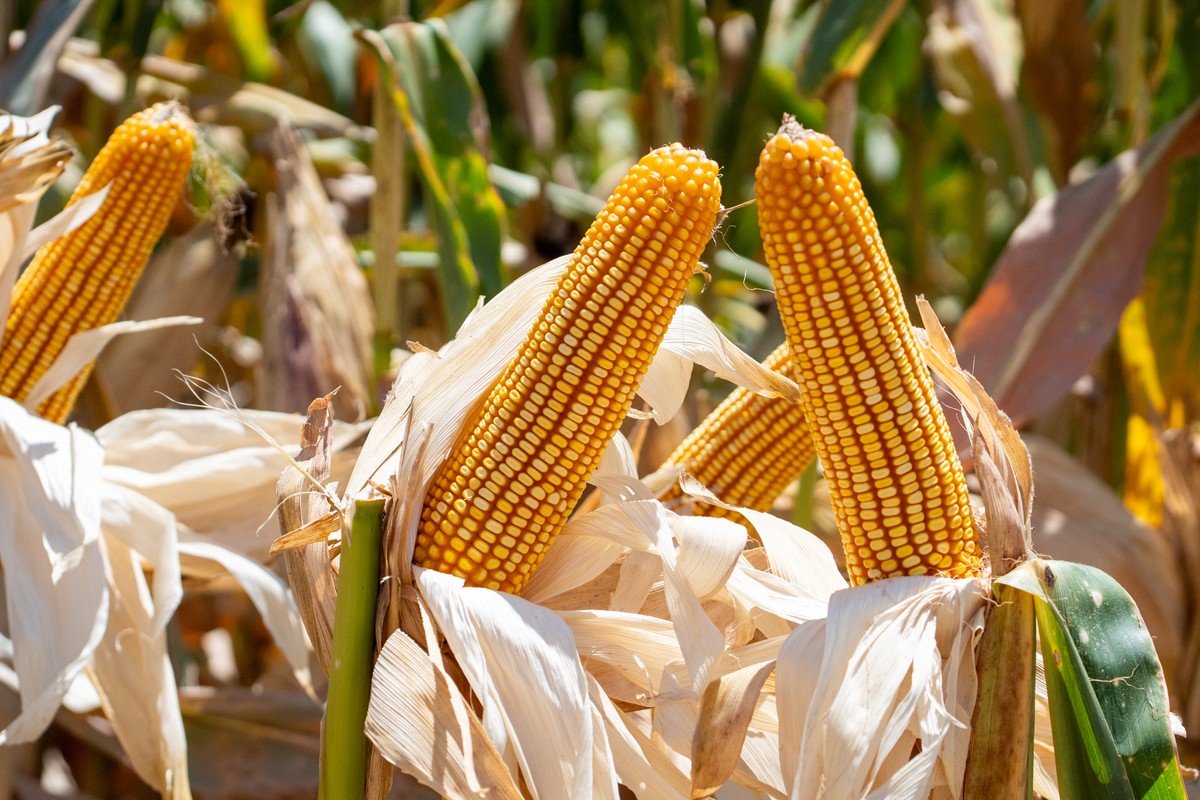
Corn prices hold firm across Brazil
Cash prices for corn in Brazil are holding firm even as trading activity thins, according to Globo Rural. The outlet reports that quotations have stayed largely steady, with sellers reluctant to release volume and buyers standing back, leaving the market with low liquidity.
Firm prices in a quiet market typically reflect a standoff between growers and buyers. Farmers are keeping grain off the market in expectation of better values, while end users and traders wait rather than chase quotations higher. The result is few closed deals but stable to firm price references.
Harvest lags the five-year pace
According to Globo Rural, the corn harvest is advancing in line with the same period a year earlier but remains below the average pace of the past five seasons. A slower harvest means less new-crop grain reaching the market in the near term, which tends to underpin cash values by keeping immediate supply tight.
For a country that has become one of the world's largest corn exporters, harvest timing matters well beyond the farm gate. When the crop comes in later, the window in which export volumes build is pushed back, tightening nearby availability for domestic buyers such as feed mills and the animal protein industry.
What thin trading signals
Low liquidity is the defining feature of the current market. When few lots change hands, published quotations can stay firm simply because there is little pressure to discount. That firmness rests on thin volume, however, and can shift quickly once harvest work accelerates and more grain becomes available.
Thin markets also make price discovery less reliable. A handful of trades can set the reference for a wide area, so quoted firmness may overstate how much grain would actually clear at those levels. Once sellers decide to move volume, or demand turns more urgent, the true balance between supply and demand becomes visible.
Implications for trade flows
For exporters, a slow harvest and reluctant sellers mean origination stays costly and shipment programs fill gradually. Buyers abroad watching Brazilian offers face firm asking prices for as long as domestic holders resist selling. Any pick-up in fieldwork could loosen that grip and bring more grain to port.
For domestic consumers, firm corn feeds directly into feed costs for poultry, pork and cattle. With trading thin, it is harder to secure coverage at favourable levels, and processors may prefer to buy hand-to-mouth until the harvest delivers a clearer supply picture. The balance will hinge on how quickly the crop catches up to its normal pace.