Brazil’s center-south cane crushing plunges in second half of June
Sugarcane crushing fell sharply in Brazil’s center-south during the second half of June. Forbes Brasil reported that the government did not explain the decline, while unusual rainfall has disrupted harvesting and industrial activity this year.
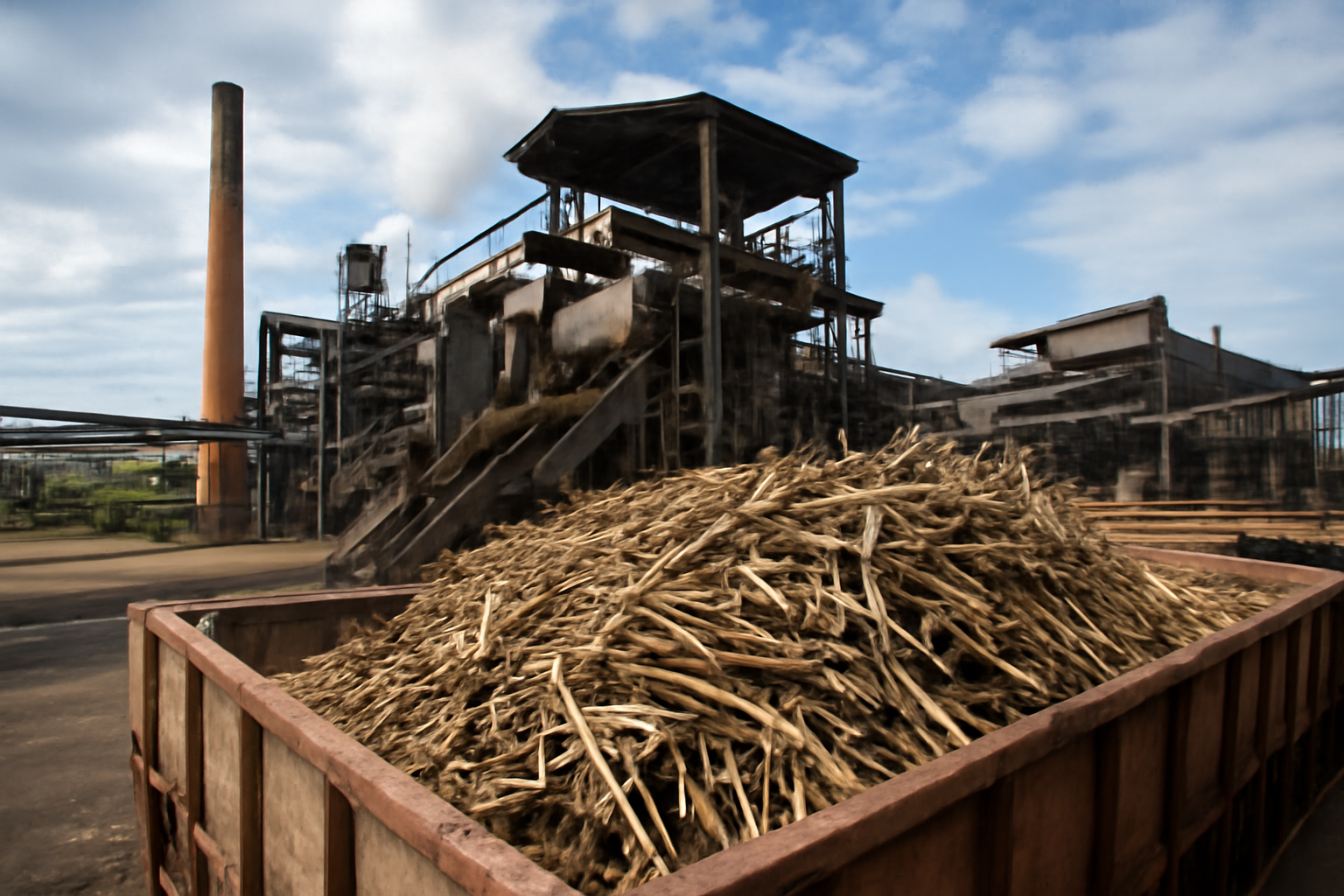
Crushing drops in Brazil’s main cane region
Sugarcane crushing plunged in Brazil’s center-south during the second half of June, according to a report published by Forbes Brasil. The region is the country’s main sugarcane-producing and processing area, making the decline relevant to growers, mills, traders and companies that depend on the availability of processed cane.
The available government information did not quantify the drop or provide a detailed explanation for it. Forbes Brasil reported that the ministry responsible for the figures had not specified why crushing declined. That leaves market participants without a complete breakdown of how much of the reduction came from field conditions, harvest delays or interruptions at industrial facilities.
The timing is important because crushing data provide a direct indication of how quickly harvested cane is moving through mills. A sharp decline over a half-month period does not by itself establish the final size of the crop, but it can alter expectations about the pace of processing and the volume available to the market in the near term.
Unusual rain interrupts field and mill activity
Brazil’s center-south has experienced unusual rainfall this year, Forbes Brasil reported. The rain has interfered with both harvesting and industrial operations. Wet conditions can prevent machinery from entering fields, delay cane deliveries and leave mills with less raw material to process, even when the crop remains standing and could be recovered later.
The source material does not state whether the affected cane will be processed later or whether the interruptions will cause permanent losses. That distinction matters for the 2026 crop outlook. A temporary delay would shift crushing into later reporting periods, while persistent weather disruption could have a broader effect on the amount of cane processed during the season.
The absence of a detailed official explanation also limits conclusions about mill performance. The reported fall may reflect a weather-driven interruption rather than a change in installed capacity or underlying demand. Producers and processors will therefore need subsequent crushing reports to determine whether late June was an isolated setback or part of a longer slowdown.
Market attention turns to the next reports
For mills, uneven harvesting can complicate operating schedules and the flow of cane into processing lines. Growers face uncertainty over when fields can be entered, while traders must assess whether a short-term reduction in crushing will be recovered as conditions improve. No price movement, production forecast or revised crop estimate was included in the supplied report.
The next government updates will be central to assessing the impact. A rebound would support the view that rainfall mainly postponed activity. Continued weakness would raise further questions about the 2026 harvest and the ability of the center-south industry to recover delayed processing. Until more detailed figures are released, the clearest confirmed development is a sharp late-June decline accompanied by atypical rain and disruption across both agricultural and industrial operations.