Brazil’s Center-South cane crush forecast rises to 641.1 million tonnes
Brazil’s Center-South is forecast to crush 641.1 million tonnes of sugarcane in 2026/27, potentially the region’s second-largest harvest on record. Improved agricultural productivity and recent rainfall prompted a 9 million-tonne upgrade.
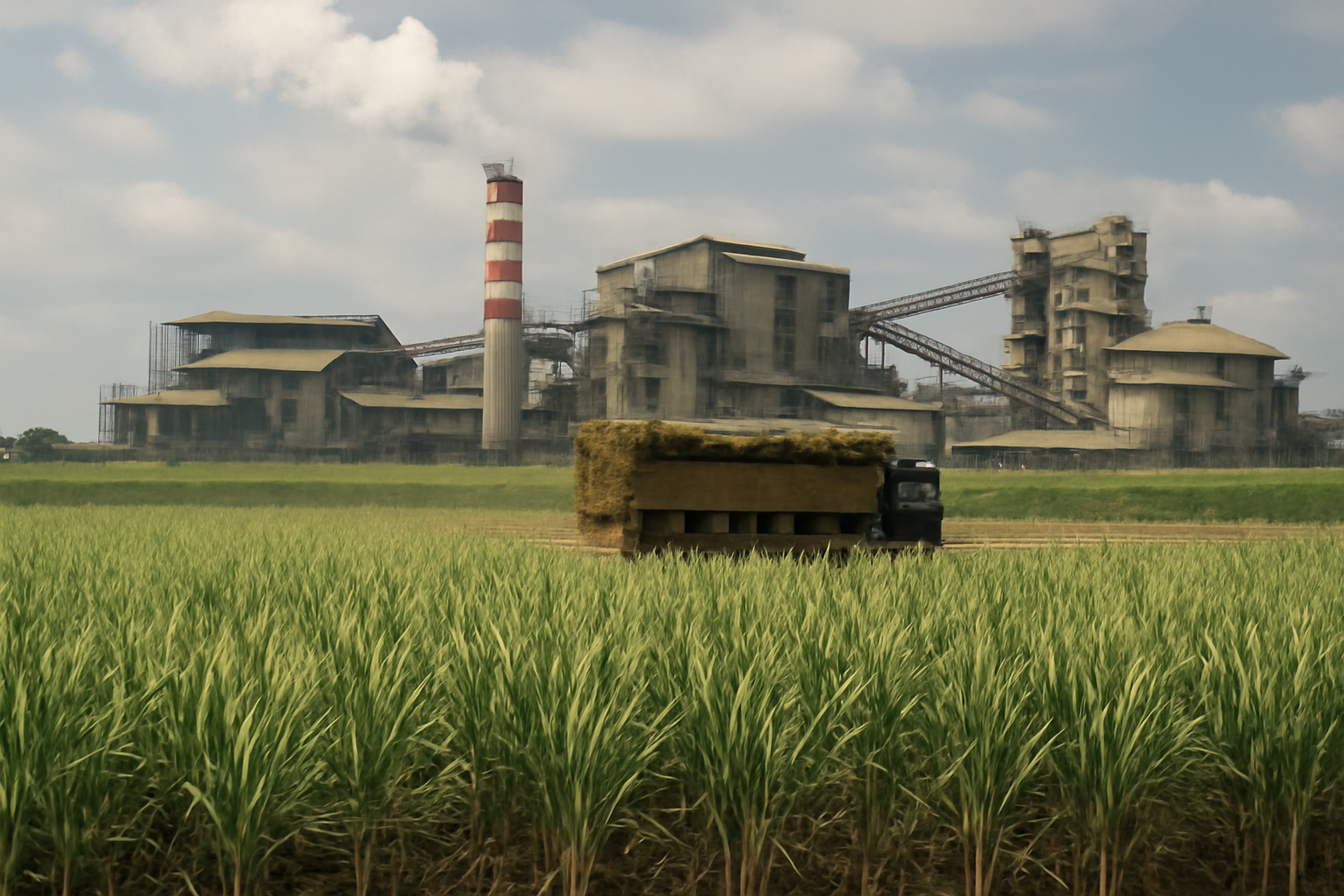
Forecast raised after improved field conditions
Brazil’s Center-South sugarcane industry is heading toward what could be its second-largest harvest on record. The region is now forecast to crush 641.1 million tonnes of cane in the 2026/27 season, according to a report published by Forbes Brasil.
The latest projection represents an increase of 9 million tonnes from the previous estimate. The revision was attributed to improved agricultural productivity and recent rainfall, two factors that have strengthened expectations for the volume of cane available to mills during the season.
The forecast concerns the Center-South, Brazil’s principal sugarcane-producing region and a key source of feedstock for the country’s sugar and ethanol industries. A crop of the projected size would provide processors with a large raw-material base, although the final production mix will depend on operational and commercial decisions taken by individual mills.
More cane expands processing options
A higher crush does not translate automatically into an equivalent increase in sugar output. Mills can direct cane toward sugar or ethanol, and the allocation between the two products affects the amount of each commodity ultimately supplied to the market. The 641.1 million-tonne forecast therefore establishes the potential feedstock volume rather than a final estimate of finished sugar production.
For producers and processors, the 9 million-tonne upgrade indicates that field performance has improved enough to alter expectations before the season. Better productivity can support greater cane availability from the cultivated area, while rainfall can improve crop prospects when it arrives at a useful stage of development. The source material does not provide regional yield figures or a detailed breakdown of the impact of the rains.
The scale of the forecast will make mill execution important. Harvest scheduling, transport and processing capacity will determine how effectively the available crop can be handled. A large agricultural crop creates an opportunity for higher production, but mills still need to convert that cane into marketable sugar and ethanol within the operating season.
Global sugar market will watch the production mix
Brazil’s role in the sugar sector means that changes in Center-South cane availability are closely watched by producers, traders, refiners and buyers. The revised forecast increases the potential supply base for 2026/27, but its effect on the sugar market cannot be assessed from cane volume alone.
The central question for market participants will be how much of the projected crush is allocated to sugar. A stronger agricultural result gives mills more flexibility, while the eventual mix will shape the volume available to sugar buyers and the amount of cane used for ethanol. No sugar-production estimate, allocation percentage or price forecast was included in the supplied report.
Weather and realized productivity remain important as the season develops. The current estimate reflects the benefit of recent rains and improved agricultural performance, but the final crush will depend on whether field conditions and mill operations support the projected volume.
A near-record crop raises the benchmark
If the 641.1 million-tonne forecast is achieved, the 2026/27 Center-South harvest would rank as the second largest in the region’s history. That position underlines the size of the expected crop and gives the global sugar and ethanol industries a clear benchmark to monitor as harvesting and processing advance.
For now, the most concrete change is the 9 million-tonne upward revision. It signals better crop expectations and a larger potential feedstock pool, while leaving the final balance between sugar and ethanol dependent on decisions made during the season.