Brazil’s cattle-cycle turn points to lower beef production and exports in 2027
Brazilian cattle slaughter is projected to fall 2.6% to 48.2 million head in 2027 as producers retain more breeding animals. Beef production is forecast to decline 2% to 12 million tonnes, while exports remain comparatively resilient at 4.10 million tonnes.
Herd rebuilding tightens cattle availability
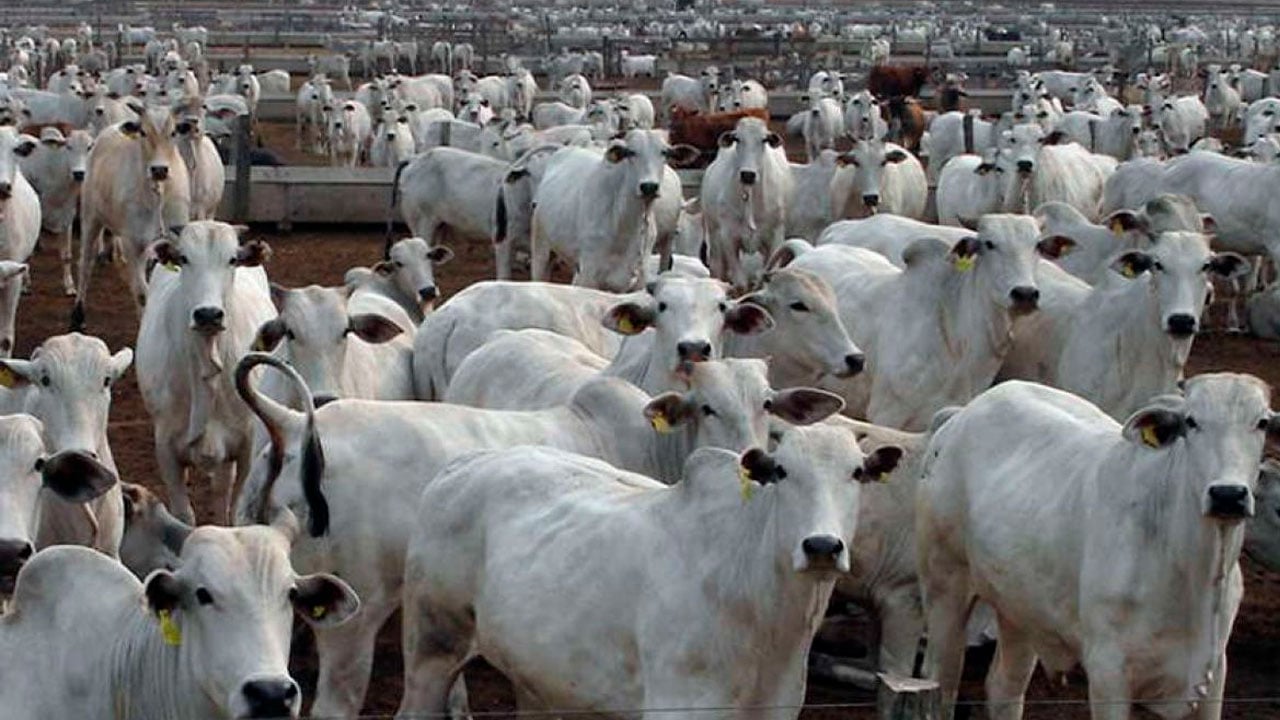
Brazil’s cattle industry is expected to enter a herd-rebuilding phase in 2027, reducing the supply of animals available to slaughterhouses and lowering beef production. A projection compiled by Terra Investimentos and Terra Agro Insights from the US Department of Agriculture’s Livestock and Products Annual report puts Brazilian cattle slaughter at 48.2 million head, down 2.6% from the estimate for 2026.
Beef production is consequently forecast to decline 2% to 12 million tonnes in carcass-weight equivalent. Notícias Agrícolas reported that the shift follows a period of abundant cattle supply and high female participation in slaughter. Producers are now expected to retain more breeding females, initially constraining slaughter but supporting later herd expansion.
The number of calves born is projected to reach 50 million in 2027, an increase of 3.6% from the estimate for the current year cited in the report. This combination of lower slaughter and higher calf production marks the turn in Brazil’s cattle cycle: animals that might otherwise enter the beef supply chain are retained to rebuild the breeding herd.
Exports decline less sharply than production
International demand is expected to cushion the effect on Brazil’s export-oriented beef industry. Exports are forecast at 4.10 million tonnes in carcass-weight equivalent, only 1% below the comparison-year projection, even as total production falls twice as quickly. According to the USDA assessment reported by Notícias Agrícolas, Brazil should remain the world’s largest beef producer and exporter.
The relatively limited decline in shipments implies greater competition between foreign buyers and Brazil’s domestic market for a smaller volume of beef. Domestic consumption is projected at 7.94 million tonnes in carcass-weight equivalent in 2027, down 2% from the 2026 forecast. Terra Agro Insights said the combination of reduced slaughter and exports above 4 million tonnes could make domestic cattle availability increasingly important in supporting Brazilian cattle prices.
Live-cattle exports face a steeper adjustment. Shipments are projected to fall 20% to 1 million head in 2027, compared with an estimated record of 1.25 million in 2026. The expected contraction is consistent with the need to retain animals as the national herd enters its rebuilding phase.
China quota and US shortage shape trade outlook
China, the United States and the European Union are identified as pivotal markets for Brazilian exports in 2027. Terra Investimentos highlighted China’s quota of 1.11 million tonnes. The corresponding 2026 volume was filled by mid-July, and the consultancy said that, if the shipment pace were maintained, the 2027 quota could be reached as early as April. Managing sales to Brazil’s main beef buyer will therefore become a strategic issue for exporters.
The United States presents a different opportunity. Tight US cattle supplies are increasing the country’s import requirement, potentially benefiting Brazil through direct sales and through a broader redistribution of global beef flows. Brazilian lean trimming, used by US processors in hamburger production, provides a complementary product for that market and may help sustain trade.
Access to the European Union is more difficult. Notícias Agrícolas reported that new requirements concerning antimicrobial resistance began restricting Brazilian products from September 3. The rules add a regulatory constraint at the same time that exporters must allocate reduced supply among major markets.
Smaller supply increases price sensitivity
The 2027 outlook rests on two opposing forces: herd rebuilding will limit slaughter and beef output, while international demand is expected to keep exports close to current projected levels. That balance leaves Brazilian processors facing tighter cattle procurement and makes export-market access, particularly in China, the United States and the European Union, more consequential for domestic price formation.
For global buyers, Brazil’s ability to maintain shipments despite lower production will be central to supply availability. Terra Agro Insights expects foreign demand to remain strong enough for the country to preserve its leading position, but the projected decline in slaughter means less flexibility if trade conditions or demand change materially during the year.