Brazilian Cassava Prices Rise for Eighth Week as Root Supply Tightens
Brazilian cassava prices increased for an eighth consecutive week as limited root availability and weak producer selling restricted immediate deliveries. Cepea said the shortage is constraining starch and flour production while demand for these derivatives remains strong.
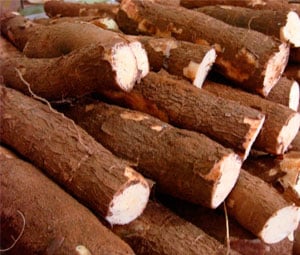
Limited supply supports cassava quotations
Brazilian cassava prices have risen for an eighth consecutive week, supported by a shortage of roots available to industrial processors. Notícias Agrícolas, citing researchers at the Center for Advanced Studies on Applied Economics, or Cepea, reported that the average cassava quotation advanced again and exceeded R$ 1.00 per gram of starch in some regions.
The increase reflects a constrained spot market rather than a reported expansion in consumption of fresh roots. Producers have shown limited interest in selling first-cycle cassava, while expectations of further price gains are encouraging some suppliers to postpone transactions. The pruning of part of the planted area has also reduced the volume available for immediate delivery.
These factors are narrowing processors' access to raw material. Buyers requiring regular deliveries must compete for a limited quantity of roots, keeping upward pressure on procurement prices. The eighth weekly increase indicates that the shortage has persisted rather than being resolved by a temporary rise in producer selling.
Starch and flour plants face reduced throughput
Cepea researchers said the lower supply of roots is restricting the production of cassava starch and flour. Both industries depend on a steady flow of fresh raw material, making the availability of roots a direct constraint on plant throughput. When deliveries decline, processors have less product to offer even if demand for derivatives remains firm.
Demand for cassava starch and flour is still described as strong. The combination of reduced output and resilient buying interest has given derivative prices renewed momentum, according to Cepea. This means the cost pressure is not confined to the agricultural market: it is moving through the processing chain as plants pay more for roots and operate with tighter supplies.
Processors therefore face two linked pressures. Raw-material costs are increasing, while restricted root availability limits how much starch and flour they can produce. Plants able to secure supply may benefit from firmer derivative quotations, but the higher cost of cassava and reduced processing volumes can offset part of that support.
Producer expectations remain central
The timing of producer sales will be critical to the next phase of the market. Expectations of additional appreciation currently reduce the incentive to release first-cycle roots. As long as growers anticipate better prices and immediate availability remains limited, processors may struggle to rebuild supply and ease procurement costs.
Pruning adds another constraint because affected fields do not contribute roots to the nearby spot market. The report does not provide production volumes, regional price ranges or a timetable for additional supply. It therefore remains unclear how quickly industrial availability could recover or whether the quotation above R$ 1.00 per gram of starch will spread to more regions.
For cassava starch and flour buyers, the key signal is the persistence of the increase. Eight consecutive weekly advances, combined with strong derivative demand, point to a market in which processors have limited room to negotiate cheaper raw material. Any change will depend primarily on whether higher prices persuade producers to resume selling and whether more roots become available for immediate industrial delivery.