Brazilian beef industry warns EU exports could stop in September
Brazil faces losing access to the EU beef market from 3 September 2026 after the bloc removed the country from its list of approved suppliers. The dispute concerns guarantees on antimicrobial controls and full traceability throughout an animal’s life.
September deadline threatens market access
Brazilian meat companies see a strong possibility that the country will have to stop selling beef to the European Union in September as negotiations over new traceability requirements remain unresolved, Globo Rural reported. The immediate deadline is 3 September 2026, when Brazil’s removal from the EU list of countries authorized to supply certain animals and animal products is due to take effect.
The European decision was announced in May and subsequently confirmed in an official document, according to Agência Brasil. European authorities said Brazil had not provided sufficient guarantees concerning controls on antimicrobial use in livestock production. Unless the outstanding requirements are met, Brazilian products covered by the measure will no longer qualify for entry into the bloc after the deadline.
Although beef is the main concern for the industry, the decision has a wider product scope. Agência Brasil reported that it could also affect poultry meat, eggs, honey, fish and live animals intended for food production. UOL additionally listed casings among the products covered by the European authorization regime.
Full-life traceability at the center of the dispute
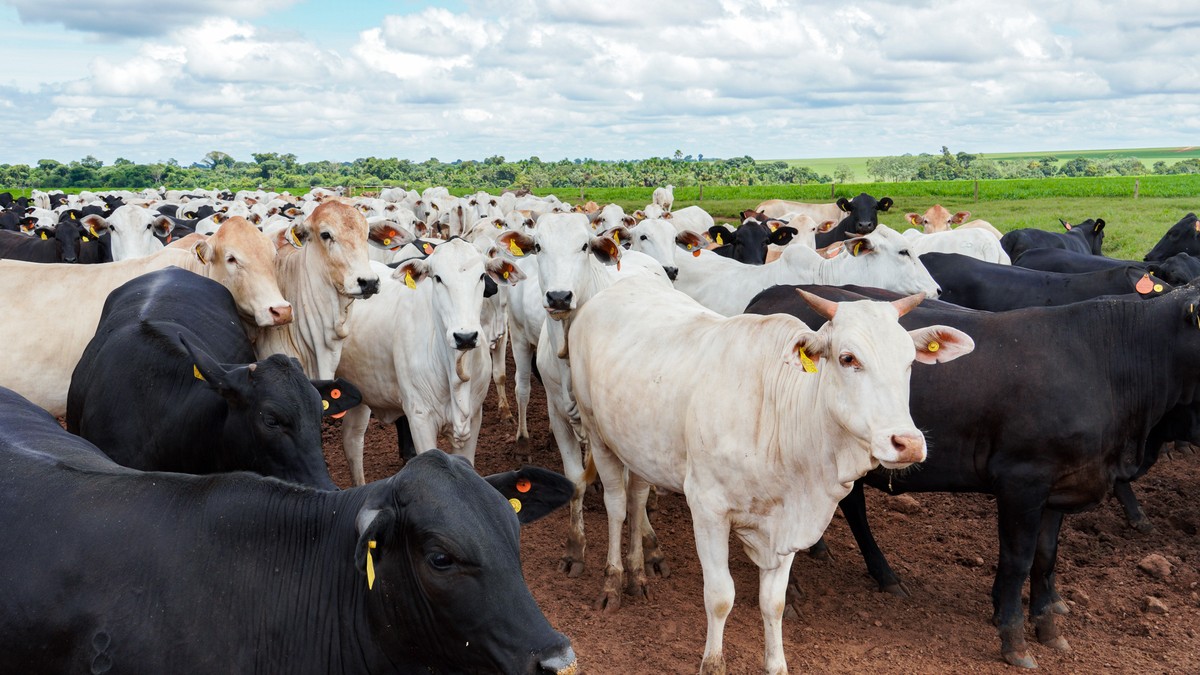
To regain or preserve authorization, Brazil must demonstrate compliance with the European rules throughout the entire life cycle of animals supplying the EU market. This is particularly difficult in the cattle sector because an animal may pass through several farms between birth and slaughter, complicating the creation of a complete and verifiable sanitary history.
CNN Brasil reported that the EU rejected a Brazilian government request for a transition period and alternative arrangements, primarily for beef production. The proposed adaptation period was intended to give Brazil more time to document the sanitary history of animals. Globo Rural reported that the government continued trying to negotiate a transition while also considering restrictions on the use of the inputs questioned by European authorities.
Brazil already operates SISBOV, its individual identification system for cattle and buffaloes destined for markets requiring animal traceability. Agriculture Ministry materials describe the system as the basis for official certification of beef and buffalo meat exports. Existing EU protocols also identify approved Brazilian regions, eligible farms and specific quarantine and movement conditions. The current dispute, however, concerns the ability to provide guarantees covering the animal’s complete life rather than only the final stage before slaughter.
Exporters face operational and commercial risk
The Brazilian Beef Exporters Association, Abiec, has said that beef shipments remain authorized until September. As quoted by Agência Brasil, the association maintains that Brazil has robust sanitary inspection and traceability systems and that Brazilian beef complies with the requirements of more than 170 countries.
That record does not remove the immediate compliance risk in Europe. Exporters must manage slaughter schedules, certification and cargo timing around a fixed regulatory deadline, while processors supplying EU-approved programs need clarity on which cattle will remain eligible. Producers may also face stricter documentation and input-control requirements if Brazil introduces measures designed to satisfy the bloc.
The consequences will depend on whether the government secures an accommodation or proves compliance before 3 September. Without an agreement, exporters would need to redirect eligible production to other markets, while European buyers using Brazilian beef would have to replace that supply. The breadth of the EU measure also means that the negotiations matter beyond cattle, even though beef traceability remains the central operational challenge.