Brazil Authorizes Up to R$500 Million for Conab Rice Purchases
Brazil has authorized up to R$500 million for Conab to buy fine long-grain paddy rice from the 2025/26 crop through public auctions. The measure is intended to rebuild public stocks and may support producer prices while reducing the volume available to commercial buyers.
Government authorizes public procurement
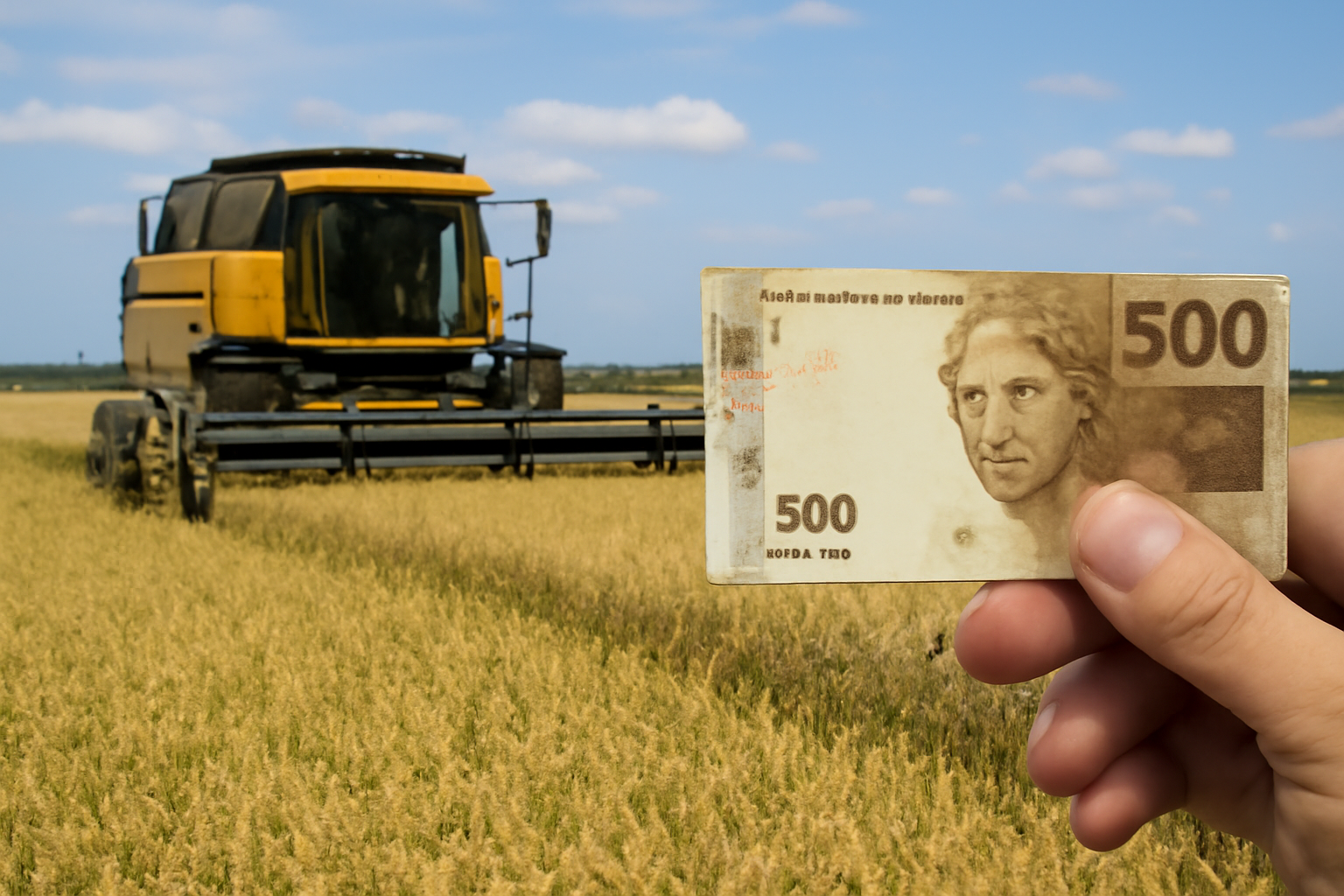
Brazil has authorized the allocation of up to R$500 million for the National Supply Company, Conab, to purchase rice from the 2025/26 crop. According to Canal Rural, the measure covers fine long-grain paddy rice and will be implemented through public auctions. The grain acquired under the program will be used to build public stocks.
The authorization establishes a maximum spending limit rather than a confirmed purchase volume. The available information does not specify how many tonnes Conab intends to acquire, the minimum quality requirements, the auction timetable or the price parameters that will govern the transactions. The final volume will therefore depend on auction conditions, accepted bids and the prices paid for eligible rice.
Auctions connect stock policy with farm prices
Public auctions give Conab a mechanism to buy grain from the market under published tender conditions. For producers and cooperatives holding eligible 2025/26 paddy, the program creates an additional sales channel alongside mills, merchants and other commercial buyers. Its influence on farmgate prices will depend on the scale and timing of purchases relative to crop availability.
The distinction between the R$500 million authorization and actual expenditure is important for market participants. If only part of the funding is used, the effect on supply and prices may remain limited. If Conab deploys a large share during a period of concentrated crop marketing, government demand could strengthen competition for qualifying rice in producing regions.
Purchase prices will also shape participation. Auction terms that are competitive with private bids could attract substantial offers, while less attractive conditions may result in lower procurement. Producers will need to compare Conab’s requirements and payment terms with the prices, logistics and quality discounts offered by mills and traders.
Public stocks reduce immediately available supply
Rice transferred into public inventories is temporarily removed from ordinary commercial circulation. That can reduce the volume immediately available to processors and traders, although the size of the effect cannot be determined until Conab announces auction results. Mills may face stronger competition for paddy if government purchases coincide with their procurement period.
For the authorities, the operation rebuilds a physical reserve that can later be managed under public food-supply policy. The current announcement, however, concerns acquisition and stock formation. It does not specify when the rice could be released, which buyers might obtain it or what conditions would trigger sales from government inventories.
Market impact depends on implementation
The first indicators for the rice sector will be the auction notices, including eligible locations, lot sizes, quality standards and bidding rules. Results will show how much of the authorized R$500 million is converted into grain and at what prices. Those details will determine whether the program mainly provides a limited price floor for participating farmers or materially changes commercial availability.
Processors, traders and investors will also monitor the geographic concentration of purchases. A broadly distributed program could have a different price effect from procurement focused on a few producing areas. Until Conab publishes the operational terms and auction outcomes, the measure represents significant purchasing capacity, but not a predetermined volume of rice or a guaranteed market-price result.