Brazil’s apple exports rise 225% in first half after record harvest
Brazil exported 42,800 tonnes of apples worth $44.4 million between January and June 2026. A record 2025/2026 harvest lifted shipments despite Middle East disruptions, while India, Saudi Arabia and Russia absorbed most of the volume.
Shipments reach 42,800 tonnes
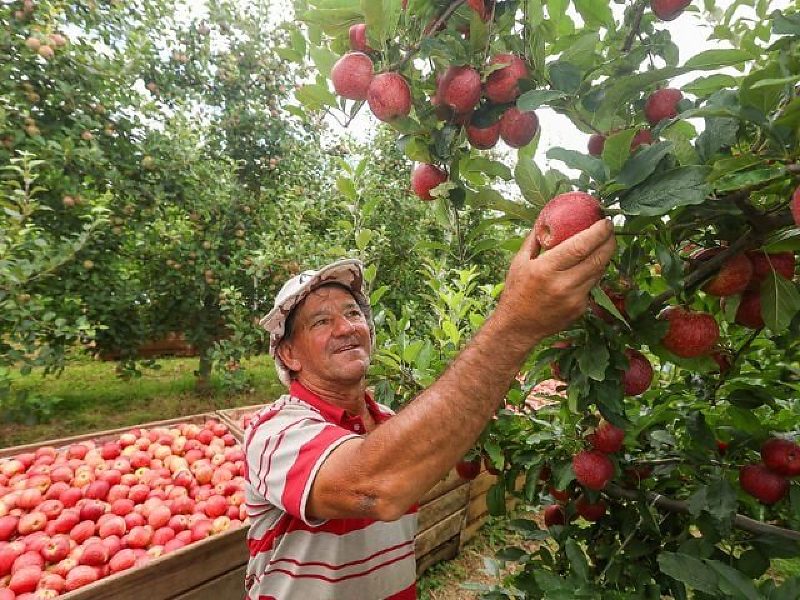
Brazilian apple exports rose sharply in the first half of 2026 after the country harvested its largest crop on record. Brazil shipped 42,800 tonnes between January and June, an increase of 225.11% from the same period a year earlier, according to data from the Brazilian Association of Fruit Producers and Exporters and Derivatives, Abrafrutas.
Export revenue increased at a similar pace, climbing 223.55% to $44.4 million. The figures made apples one of the strongest performers in Brazil’s fruit export sector during the period and marked a major recovery after two consecutive crop cycles affected by severe losses linked to unstable weather.
Moisés Albuquerque, executive director of the Brazilian Association of Apple Producers, ABPM, described the 2025/2026 crop as the largest in the industry’s history. He said the expansion in production was accompanied by strong fruit quality, allowing suppliers to increase sales in both the domestic and international markets.
Asian and Middle Eastern markets absorb supply
India, Saudi Arabia and Russia received most of Brazil’s apple shipments during the first six months of the year. Their demand provided an important outlet for the record crop and strengthened their position as central destinations for Brazilian growers and exporters.
The increase came despite logistical disruption connected to tensions in the Middle East. According to the industry, the conflict disrupted maritime routes, contributed to a global shortage of shipping containers and delayed fruit intended for one of the principal buying regions for Brazilian agricultural products. The sector estimates that exports could have been higher without these constraints.
Apples also contributed to broader growth in Brazil’s fruit trade. The country generated more than $700 million from fruit exports in the first half, with shipments of apples, mangoes and avocados providing much of the momentum. For producers and packing companies, the result shows how a larger marketable crop can translate rapidly into export revenue when overseas demand is available.
Northern Hemisphere harvest will increase competition
Shipments are expected to slow in the coming months as the Northern Hemisphere harvest enters the market. More than 90% of global apple production is concentrated in that hemisphere, so its seasonal increase in supply intensifies competition and limits the window available to Southern Hemisphere exporters.
Brazilian producers nevertheless expect the longer-term expansion to continue. Albuquerque linked the record result to sustained investment in high-technology, high-density orchards designed to improve yields and deliver fruit that meets commercial standards. The immediate challenge will be to place the remaining crop as competing supplies increase, while managing freight availability and exposure to disrupted maritime routes. The first-half performance gives growers, packers and traders a stronger export base, but maintaining it will depend on consistent quality, access to containers and continued demand in India, Saudi Arabia, Russia and other overseas markets.