Brazil’s animal protein output and exports rise as cattle prices strengthen
Brazil’s cattle market entered 2026 with firm prices as slaughter-animal supply and demand moved closer to balance and the exchange rate supported beef competitiveness abroad. Poultry, pork and egg production are also forecast to grow, although sanitary restrictions and access to major markets remain decisive risks.
Balanced cattle market supports prices
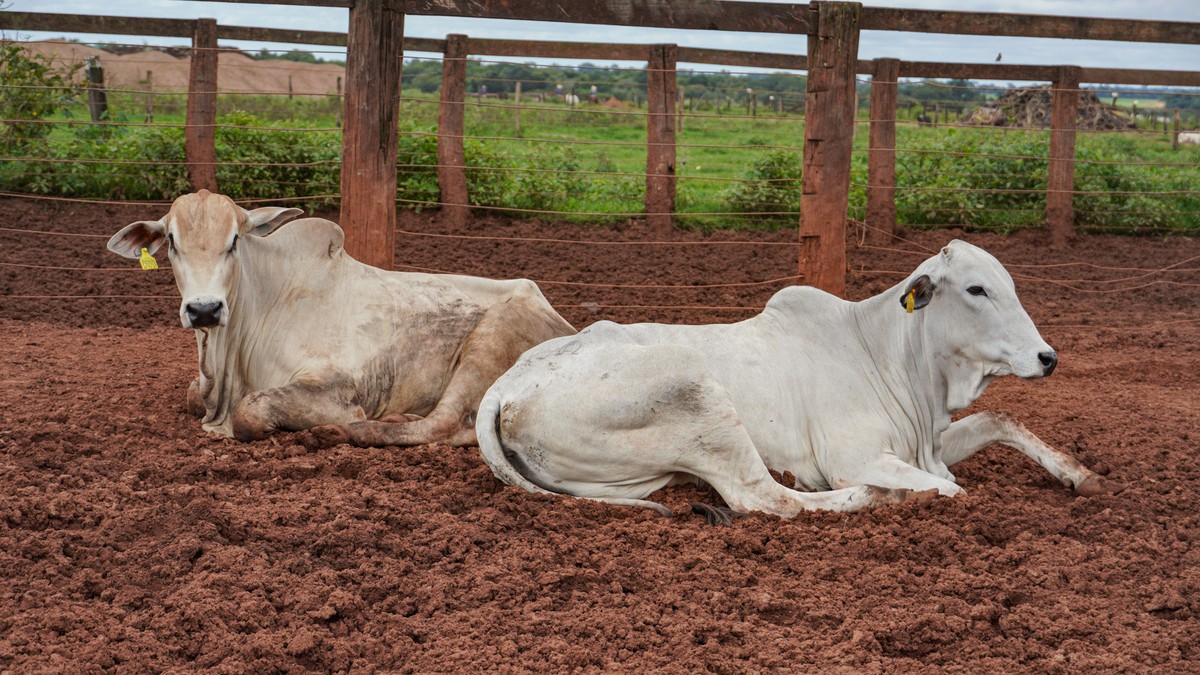
Brazil’s animal protein industry is entering another period of expansion, supported by firmer cattle prices, export demand and rising output across poultry, pork and eggs. Globo Rural reported that fed-cattle quotations strengthened as the availability of animals and demand from slaughterhouses became more balanced. The publication also said that the exchange rate prevailing in 2026 reinforced the competitiveness of Brazilian beef in international markets.
The balance is favorable to cattle producers, but it does not remove pressure on processors. When slaughter-ready cattle become harder to source, meatpackers must either pay more, shorten slaughter schedules or protect margins through higher beef prices. Cepea expects domestic and international demand for Brazilian beef to remain firm, while production growth could be limited by difficulty securing good batches of lean cattle. The research center said calf prices may continue rising until late 2026 or early 2027.
Cepea also noted that Brazil became the world’s largest beef producer in 2025, based on USDA data, producing more than the United States for the first time. China buys almost half of Brazil’s exported beef volume, making Chinese demand a central influence on cattle and wholesale meat prices. Diversification into other destinations has nevertheless reduced reliance on a single outlet, with some trade partners more than doubling their purchases.
Poultry and pork add to the expansion
The broader outlook extends beyond beef. CNN Brasil reported that the Brazilian Animal Protein Association, or ABPA, expects chicken production of 16 million to 16.15 million tonnes in 2026, compared with 15.289 million tonnes in 2025. The upper end would represent growth of 5.6%. Chicken exports are forecast to rise 10.3%, from 5.324 million tonnes to as much as 5.875 million tonnes.
ABPA expects pork production to increase 5% to 5.870 million tonnes in 2026, from 5.592 million tonnes a year earlier. Pork exports could reach 1.6 million tonnes, up 5.9% from 1.51 million tonnes. China’s recognition of Brazil as free from foot-and-mouth disease without vaccination may allow more Brazilian states to seek authorization to supply that market. The Philippines is expected to remain another important destination, while Mexico has been expanding access for Brazilian pork.
Egg production is projected to rise 4.1%, from 62.253 billion units in 2025 to 64.800 billion in 2026. Exports, however, are forecast to fall as much as 26.6%, from 40,894 tonnes to 30,000 tonnes. This divergence shows that higher production will not translate uniformly into foreign sales and that domestic consumption will remain important for absorbing additional supply.
Market access remains the growth constraint
Forbes Brasil framed the industry’s next stage around opening new markets, rather than production capacity alone. Sanitary status, plant approvals and trade negotiations determine how quickly additional meat can reach higher-value destinations. Avian influenza outbreaks in competing producing countries may increase demand for Brazilian chicken, but a commercial-farm case inside Brazil could also trigger immediate import restrictions.
The European Union represents 7% of Brazilian chicken exports, according to ABPA president Ricardo Santin as reported by CNN Brasil. Restrictions related to antimicrobial use could therefore force processors to redirect part of that volume. The Mercosur bloc also has a duty-free EU chicken quota of 180,000 tonnes, while a 25,000-tonne pork quota remains unavailable to Brazil because there is no applicable sanitary agreement. Brazil’s cost base and exchange rate support competitiveness, but market access will decide how much of the projected production growth becomes export revenue.