Brazil’s agrifood exports gain under provisional Mercosur-EU tariff cuts
Brazil shipped 17.74 million tonnes of agricultural and agro-industrial products to the EU between May and September 2026, up 8.1% year on year. Products benefiting from the provisional Mercosur-EU trade rules recorded a 21% increase in sales, led by avocado, honey and corn oil.
Tariff preferences lift early trade
Brazilian agricultural exports to the European Union increased during the first months of provisional application of the Mercosur-EU trade agreement, with gains spanning soy, meat, fruit, honey and corn oil. Between May and September 2026, Brazil shipped 17.74 million tonnes of agricultural and agro-industrial products to the EU’s 27 member states, according to O Presente Rural. That was 8.1% above the 16.42 million tonnes exported in the same period of 2025.
A separate assessment based on data from Brazil’s Ministry of Development, Industry, Commerce and Services, reported by Portal do Agronegócio, found that sales of Brazilian products benefiting from the agreement rose 21% year on year during the five-month period. The distinction is important: the 8.1% figure covers the broader agrifood shipment volume, while the 21% measure concerns sales of products receiving treaty benefits.
The partnership agreement was signed on 17 January 2026, and provisional application of its trade provisions began on 1 May. It links markets representing about 720 million people and more than US$22 trillion in combined gross domestic product. Tariff reductions are being introduced gradually, with access for some agricultural products managed through quotas and product-specific conditions.
Soy and meat provide scale
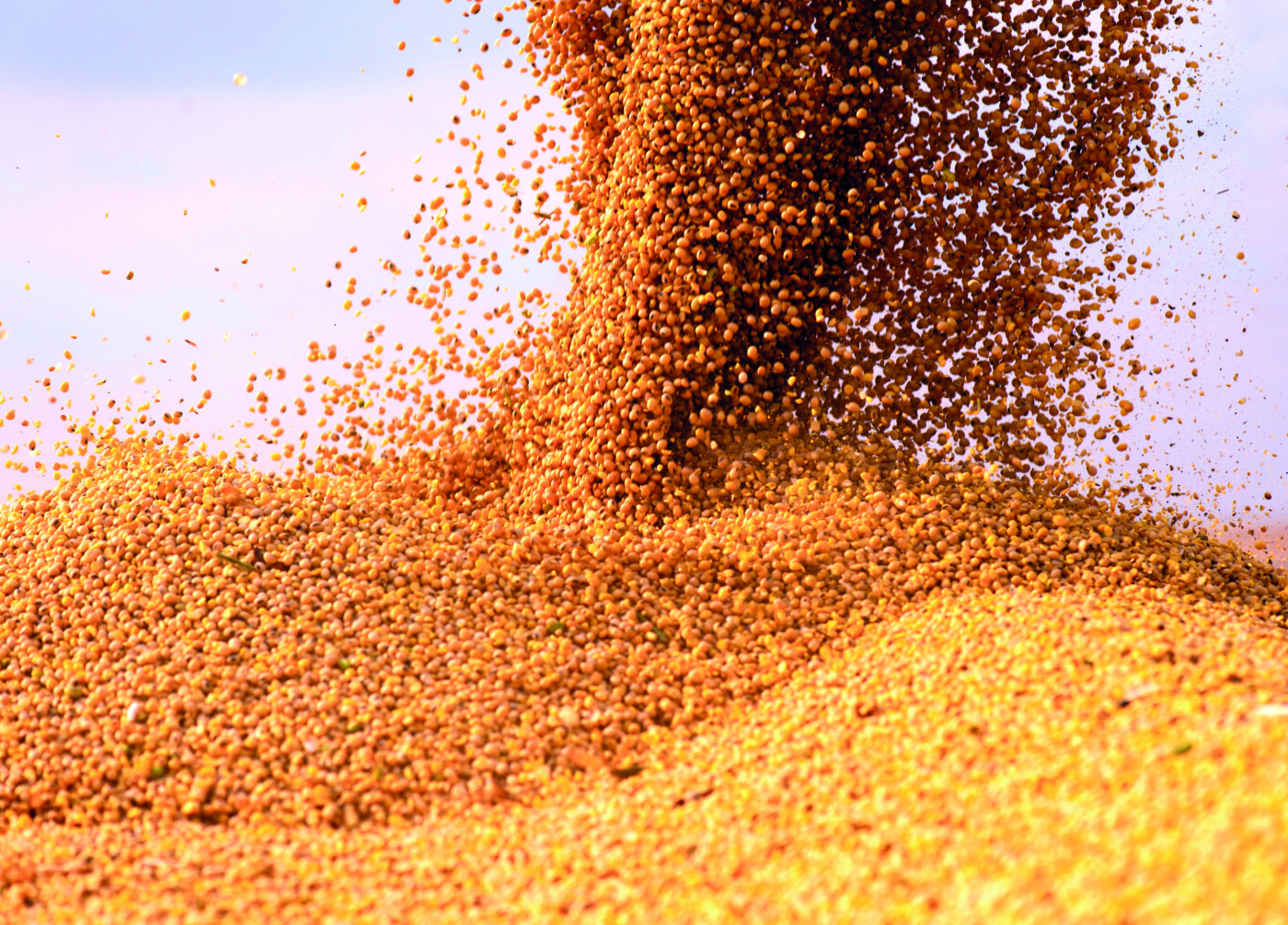
The soy complex remained Brazil’s largest agribusiness export segment in the European market. Shipments of soybeans, meal and oil generated US$4.19 billion in the first five months of provisional application, compared with US$3.12 billion a year earlier. Revenue increased 34.2% and volume rose 20.5%. Soybean exports advanced 49% in value and 35.1% in volume, while soymeal gained 22.5% in revenue and 10.6% in quantity.
Meat exports also expanded sharply. Shipments rose from 101,000 tonnes between May and September 2025 to 272,000 tonnes in the corresponding 2026 period, an increase of 170%. Their value grew 103.5%. The agreement provides preferential conditions for beef, pork and poultry, although actual access depends on tariff schedules, quotas, sanitary approval and compliance with the applicable rules of origin.
Smaller product categories recorded the fastest percentage gains. Fresh avocado exports increased 421% and honey sales rose 367%, according to Portal do Agronegócio. Crude corn oil exports climbed from US$35.31 million to US$129.35 million. O Presente Rural calculated growth of 266.3% in value and 205.8% in volume. Roasted coffee, soluble coffee and avocado were among the products already receiving tariff benefits, while preferences also cover sugar, ethanol, rice, honey, corn and sorghum under varying conditions.
Compliance will determine durable gains
Brazil’s agribusiness trade surplus with the EU reached US$10.54 billion between May and September, 17% above the US$9.01 billion recorded a year earlier. Brazilian imports of European agricultural and agro-industrial products rose more moderately, increasing 3.3% to US$1.67 billion. Import volume grew 6.8%, from 578,600 tonnes to 617,900 tonnes.
Lower tariffs alone will not guarantee continued expansion. Exporters must meet rules of origin as well as EU sanitary, environmental and traceability requirements, particularly in soy, meat, coffee and wood supply chains. The EU regulation on deforestation-free products adds origin and land-use verification requirements. Brazil’s Agro Brasil + Sustentável platform and its socio-environmental analysis report are intended to help producers document compliance. The early results therefore show wider market access, but future market-share gains will depend on quota availability, tariff schedules and exporters’ capacity to provide the evidence European buyers and regulators require.