OECD-FAO: Brazil to hold 61% of soybean and 55% of sugar exports by 2035
A joint OECD-FAO outlook projects Brazil will supply 61% of global soybean exports and 55% of the world sugar market by 2035, while becoming the largest exporter of raw cotton. The report also points to Brazil's rising ethanol output and its place among the top three beef exporters.
Brazil set to deepen lead across soy, sugar and cotton by 2035
Brazil is on course to consolidate its position as the dominant supplier in several major agricultural markets over the next decade, according to a joint outlook from the Organisation for Economic Co-operation and Development (OECD) and the UN Food and Agriculture Organization (FAO), published at the end of June and reported by Gazeta do Povo.
The report projects that over the coming ten years Brazil will account for 61% of global soybean exports, hold 55% of the world sugar market, and take the lead in international sales of raw cotton.
Soybeans, sugar and cotton
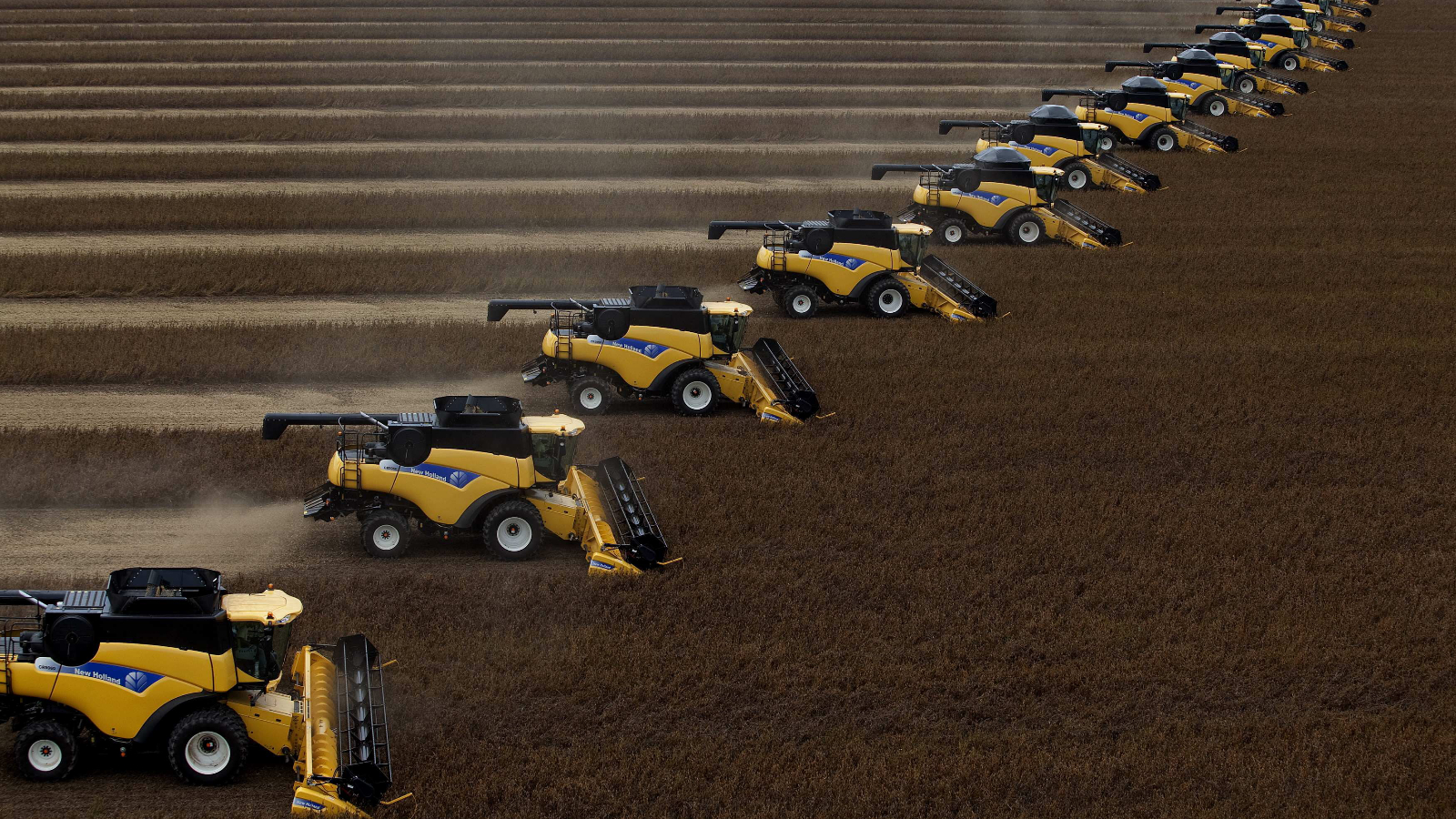
Brazilian soybean production is expected to grow 0.7% a year through 2035, ahead of the United States at 0.5% a year, keeping the country responsible for 61% of all global exports. The report notes that most of the growth in soybean crushing will now take place in Latin America, in contrast to the previous decade when it was concentrated in China, with Brazil among the leaders in domestic processing into meal and oil.
- Cane sugar output is projected to reach 50.2 million tonnes by 2035, about 34% of global production, with Brazil keeping a dominant 55% share of world exports.
- Brazil is expected to become the largest exporter of raw cotton by 2035, followed by the United States, driven by productivity gains and expanding acreage.
Ethanol and biofuels
Brazil should remain the world's second-largest producer and consumer of fuel ethanol, behind the United States. The OECD and FAO see biofuel output growth through 2035 led by Brazil, Indonesia and India. Brazilian mills retain the flexibility to switch between sugar and ethanol depending on relative prices and the energy market. While sugarcane remains the main feedstock, corn-based ethanol is growing fast, projected to jump from 8.2 billion litres in 2025 to 14.5 billion litres in 2035.
Beef and the shift to productivity
In beef, the report projects that Brazil, together with Canada and the United States, will begin a herd-rebuilding cycle in the early years of the projection period, following liquidation phases tied to droughts and low profitability. Brazil will remain among the world's three largest meat exporters, alongside the European Union and the United States, which together will hold more than half of global exports.
The document classifies Brazil as a middle-income nation in transition, moving from labour-intensive to capital- and technology-intensive activities. It stresses that future output growth will depend increasingly on productivity gains and land intensification, such as double cropping with no-till planting, rather than the expansion of new areas. The report also highlights Brazilian investment in port and logistics infrastructure to sustain export flows, and cites the country as an example of circular-economy and bioeconomy policies that promote biological inputs such as biofertilisers.