Brazil begins 2026/27 soybean planting as El Niño risk tightens spot supply
Brazilian growers have started planting the 2026/27 soybean crop as forecasts point to a potentially very strong El Niño. Early fieldwork and cautious farmer selling have reduced spot-market liquidity, supporting soybean and soybean meal prices.
Planting begins amid conflicting timelines
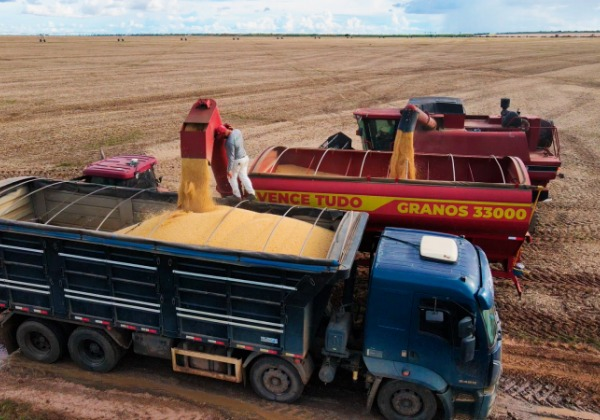
Brazilian farmers have begun planting the 2026/27 soybean crop as recent rainfall and the prospect of a very strong El Niño shape field decisions. MundoBA reported that cultivation started in the first week of September, while PIRANOT said planting began on Monday, September 14, in producing areas. The difference reflects the regional and gradual opening of planting windows rather than a single nationwide starting date.
Paraná had planted 81,000 hectares by September 10, according to Department of Rural Economy data cited by PIRANOT. That represented 1.4% of the state’s expected soybean area of 5.76 million hectares. The publication cautioned that this early figure cannot be used to extrapolate Paraná’s pace to the rest of Brazil.
Planting was partially authorized in Paraná on September 1 and in the southwest of the state on September 11. Areas farther south were expected to receive authorization from September 20. In Rio Grande do Sul, growers could request permission to start on September 15, ahead of the regular calendar.
Weather remains the main production risk
Cepea researchers expect sowing to accelerate when rainfall eases and soil moisture is suitable. Producers are trying to use favorable conditions while they last, but PIRANOT noted that there is no technical evidence demonstrating that earlier planting will reduce El Niño-related losses across Brazil.
The probability of a very strong El Niño from the beginning of spring in late September was raised from 93% to 97% in a September 10 update, PIRANOT reported. The forecast keeps rainfall distribution and planting conditions at the center of production planning, although the supplied reports do not provide regional yield estimates or quantify potential crop losses.
Regional motivations also differ. In Mato Grosso, earlier soybean planting is linked to protecting the sowing window for the second corn crop. That connection makes soybean timing important beyond the oilseed itself: delays could also compress the calendar for the subsequent corn season.
Lower liquidity supports domestic prices
Weather uncertainty has also affected commercial behavior. Cepea said sellers reduced offers of large soybean lots during the first ten days of September. The smaller market presence lowered liquidity in Brazil’s spot market and contributed to higher soybean prices, although neither source provided quotations or percentage changes for individual trading locations.
Soybean meal prices also increased in Brazil. According to Cepea, domestic buyers rebuilding inventories and strong foreign demand intensified competition for available product. The combination matters for processors and livestock-feed buyers because firmer meal values can improve crushing incentives while raising procurement costs for domestic consumers.
The immediate market signal is therefore one of limited nearby availability rather than a confirmed change in Brazil’s production outlook. Planting remains at an early stage, and the Paraná data cover only a small share of the planned area. For growers, traders and processors, the next indications will come from the pace of fieldwork after rainfall declines, soil-moisture conditions and whether farmer selling returns as planting advances.