BP and Iberdrola Begin Testing 25 MW Green Hydrogen Plant at Castellon Refinery
BP has moved a green hydrogen project at its Castellon refinery in eastern Spain into the testing phase, with an installed capacity of 25 megawatts. The scheme is being developed together with the Spanish utility Iberdrola, according to the Valencian daily Levante-EMV. The plant is intended to substitute part of the conventional hydrogen the refinery uses in its processing units.
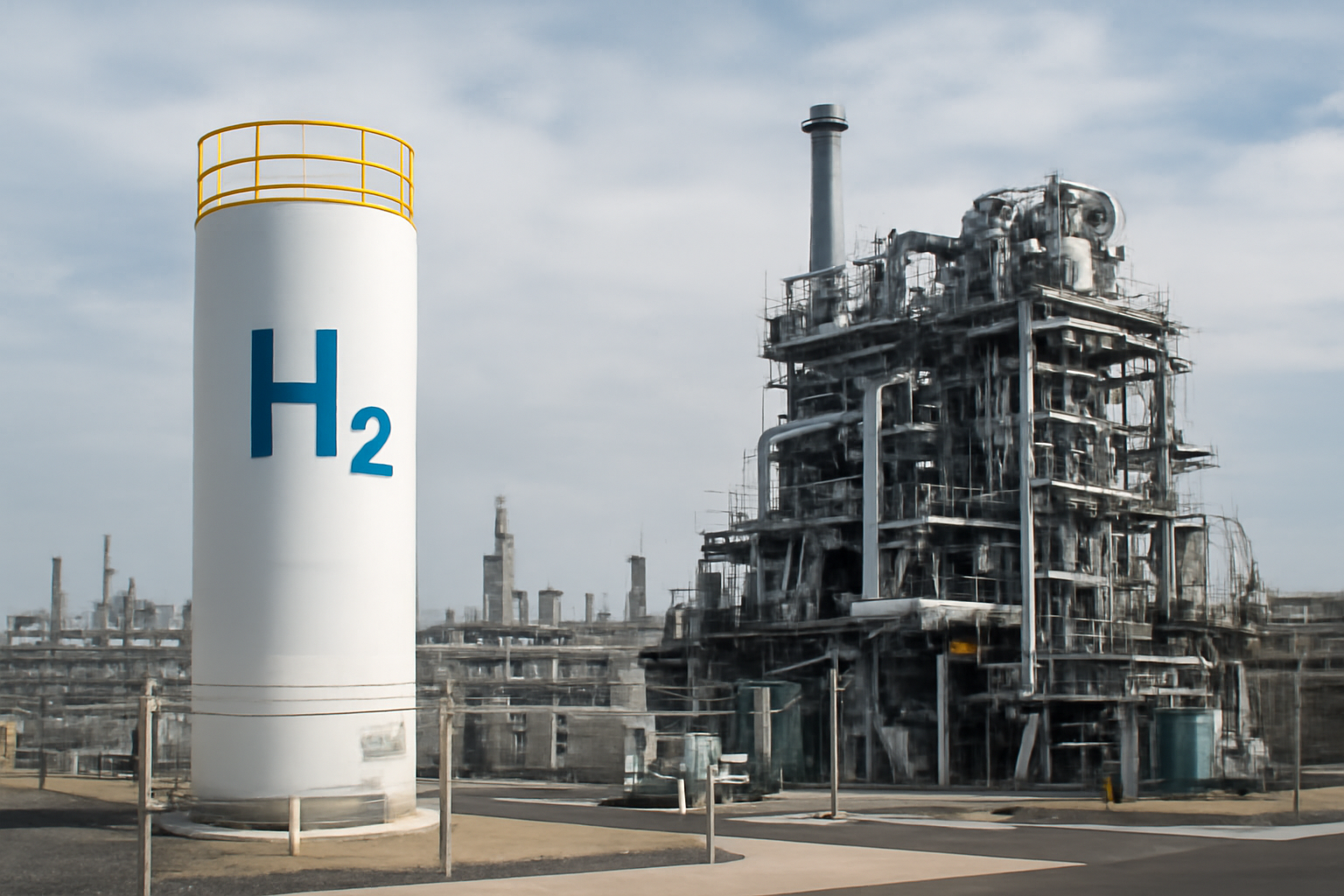
BP has begun the testing phase of a green hydrogen project at its Castellon refinery on Spain's Mediterranean coast. The installation is being developed together with Iberdrola and is running at a capacity of 25 megawatts, according to the Valencian newspaper Levante-EMV.
What is confirmed so far
Two companies stand behind the scheme: BP, which owns and operates the Castellon refinery, and Iberdrola, the Spanish power utility. Levante-EMV reports that the project has moved out of construction and into testing, the stage at which an electrolysis plant is run under controlled conditions before it enters commercial service.
Capacity is the one hard figure attached to the project: 25 megawatts of installed electrolysis. That places it among the larger renewable hydrogen units operating in Spain, though far below the multi-hundred-megawatt schemes announced across Europe for the second half of the decade. No commissioning date, output volume or investment total has been disclosed in the reporting.
Hydrogen is a refinery input, not a side business
Hydrogen is not an optional product for a refinery, it is a process input. Hydrotreating units consume it to strip sulphur out of diesel and jet fuel so the finished grades meet European specifications, and hydrocracking uses it to convert heavier fractions into lighter ones. A refinery that loses its hydrogen supply loses the ability to make on-spec diesel.
Conventionally that hydrogen is produced on site from natural gas, which makes it both a carbon liability and a direct exposure to gas prices. Replacing part of it with hydrogen made by electrolysis on renewable power removes both, in proportion to the volume replaced. At 25 megawatts the share is partial: the unit covers a slice of the refinery's hydrogen demand rather than all of it.
What the testing phase has to establish
Testing is where the commercial case is validated or falls apart. For an industrial electrolyser feeding a live refinery, the open questions are operational:
- whether the plant can follow a variable renewable power supply without shortening stack life or disturbing the refinery's hydrogen balance;
- whether hydrogen purity stays consistently high enough for hydrotreating catalysts;
- what the delivered cost per kilogram looks like against hydrogen made from natural gas.
Those answers decide whether the Castellon unit remains a demonstration or becomes the first block of something larger. They also matter well beyond BP: every European refiner faces the same decision on how to decarbonise hydrogen supply, and very few have operating data from a plant of this size.
Why Spain
Spain offers what electrolysis needs: large volumes of solar and wind capacity, hours in which power is cheap, and heavy industry sitting close to the coast and the grid. Castellon falls inside that overlap. Pairing a utility that generates the electricity with a refiner that consumes the molecule keeps both sides of the transaction inside one partnership, which removes the pricing problem that has stalled merchant green hydrogen projects elsewhere.
For the wider market the read-across is about template rather than volume. A 25-megawatt unit will not move Spanish energy balances or European hydrogen trade. What it can do is generate the first reliable cost and performance numbers from a refinery-integrated electrolyser at this scale, and those numbers will shape the investment decisions that follow.