Bosnia and Herzegovina suspends or cuts duties on 74 raw materials for 2027
The Council of Ministers of Bosnia and Herzegovina has temporarily suspended or reduced customs duties on 74 tariff lines covering raw materials and industrial inputs. The measure applies from 1 January 2027 to 31 December 2027 and is limited to goods that cannot be sourced domestically in the required quantity and quality. Of the 74 codes, 68 were carried over from the 2026 decision, three were removed and six added.
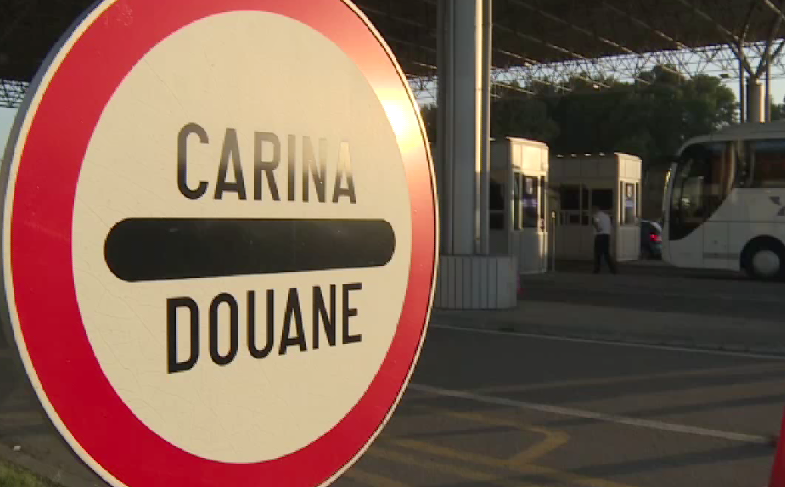
Bosnia and Herzegovina's Council of Ministers has temporarily suspended or reduced customs duties on 74 tariff lines covering raw materials and industrial inputs, in a move aimed at lowering costs for domestic manufacturers. The decision was adopted at an extraordinary session held by telephone, on a proposal from the Ministry of Foreign Trade and Economic Relations, viteski.ba reported.
The measure enters into force on the day of its adoption and is published in the Official Gazette of BiH, but takes practical effect on 1 January 2027 and expires on 31 December 2027, according to both tuzlanski.ba and viteski.ba. It is therefore one full calendar year of relief rather than an open-ended change to the tariff schedule.
Relief limited to inputs unavailable at home
tuzlanski.ba reported that the reductions cover only goods that cannot be obtained on the domestic market in the quantities and quality required. viteski.ba set out the same test in more detail: under the Law on Customs Tariff, the goods concerned are treated as semi-finished products — materials and raw materials that producers in BiH use in their own manufacturing to make finished goods, to produce goods destined for export, or as a substitute for imported products.
That wording defines the commercial logic of the instrument. Where a domestic supplier exists, the duty stays in place; where it does not, the duty is simply a cost on local processing. For companies that import an input, convert it and re-export the finished article, the tariff weighs on their own competitiveness rather than shielding them from a foreign rival.
Industry associations behind the request
The decision follows requests from the Foreign Trade Chamber of BiH, the entity-level chambers of commerce and individual companies. The two publications list the sectors involved as:
- textiles and leather
- footwear, named by viteski.ba
- chemicals
- metals and the electrical industry
- food processing
- printing and graphics
- automotive
- hygiene products and special-purpose manufacturing
A list reworked every year
Of the 74 tariff codes covered for 2027, 68 were already included in the decision for 2026, three were dropped from the list and six new ones were added, both outlets reported. In total, only nine codes changed status, leaving the bulk of the 2026 arrangement intact for another year.
The Council of Ministers has adopted 14 such decisions on the temporary suspension or reduction of customs rates, each valid for one year. tuzlanski.ba dates the series from 2020, while viteski.ba states that the 14 decisions have been taken since the Law on Customs Tariff entered into force.
What it means for buyers and suppliers
For processors in BiH, the saving lands directly in landed cost on inputs they have no domestic alternative for, which matters most in sectors working on thin conversion margins such as textiles, footwear and automotive components. Because much of the list is a carry-over, most affected companies face no change to the purchasing terms they already operate under.
For foreign suppliers, the six newly added codes open a window through 2027 in which their goods enter BiH on better terms, while the three deleted lines move in the opposite direction. The annual structure is the main constraint: a buyer signing a multi-year supply contract cannot assume that a code on the 2027 list will still be there in 2028, since the relief has to be re-approved each year. Deletions are also worth tracking as an indicator, since a line usually leaves the list once the input becomes available from domestic production.