Bosnian poultry exports fall to 16.5 million KM after four-month EU ban and summer drought
Poultry producers in Bosnia and Herzegovina exported chicken meat worth about 16.5 million KM in the first seven months of the year, some 5.5 million KM less than a year earlier, after a four-month suspension of sales to the European Union following an avian influenza outbreak in Petrovo. Imports approached 23 million KM over the same period, leaving a deficit of about 6.5 million KM. Producers expect retail chicken prices to rise 10 to 15 per cent next year on higher feed costs.
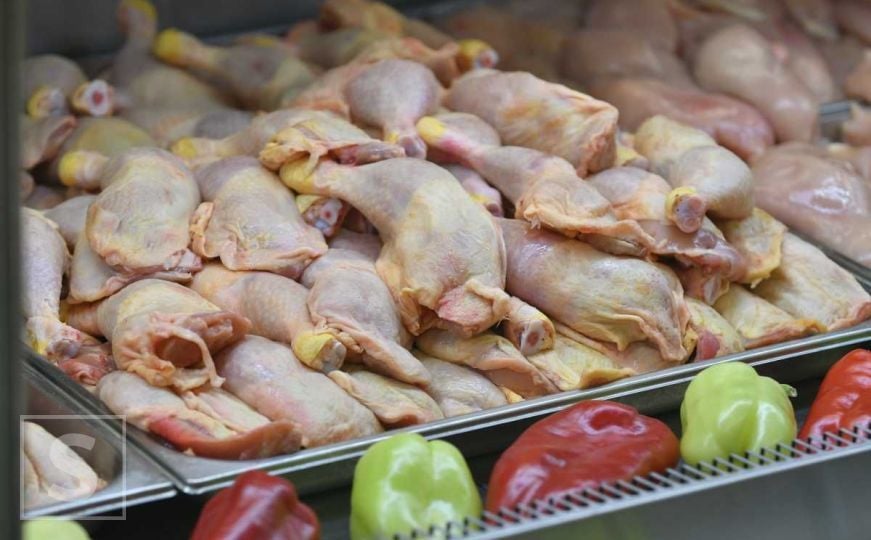
Poultry producers in Bosnia and Herzegovina exported chicken meat worth about 16.5 million convertible marks (KM) in the first seven months of this year, roughly 5.5 million KM less than in the same period last year. Over the same seven months the country imported meat worth almost 23 million KM, according to figures reported by public broadcaster BHRT and carried by Radio Sarajevo and Tuzlainfo.
The gap between the two flows left a deficit of about 6.5 million KM in chicken trade for the period. The fall in exports is tied directly to a four-month suspension of sales to the European Union market, imposed after avian influenza was confirmed in March at a breeding-egg farm in Petrovo.
Outbreak in Petrovo closed the EU market
More than 60,000 hens were culled at the Petrovo farm at the beginning of March, Tuzlainfo reported. The outbreak did not significantly disrupt production on other poultry farms in the country, but the export block to the EU lasted four months and hit the processing stage of the chain hardest.
Bosnian exporters mainly place higher-quality cuts on foreign markets, while imports consist of frozen meat destined for processing along with a share of products that reach retail shelves directly, BHRT reported. The composition of the two flows explains why a smaller export value is not compensated by the larger import bill.
Five thousand tonnes in cold storage
Mevludin Kahvedžić, president of the Poultry Farmers Association of the Federation of Bosnia and Herzegovina, told BHRT that slaughterhouses were left holding volumes they could not place on the markets they had planned for. “Three slaughterhouses that operate in this territory have somewhere around 5,000 tonnes of frozen meat in storage, and of course that has affected the slaughterhouses, which are managing as best they can and are taking on additional costs of freezing, storage and the rest,” he said.
Frozen inventory of that size ties up working capital and adds running costs at a point in the chain that has no alternative outlet once an export route closes. Radio Sarajevo reported that the standstill left domestic slaughterhouses buried in surplus goods.
- Exports: about 16.5 million KM in seven months, down roughly 5.5 million KM year on year
- Imports: close to 23 million KM, leaving a deficit of about 6.5 million KM
- Stocks: around 5,000 tonnes of frozen meat held by three slaughterhouses
- Culled: more than 60,000 hens at the Petrovo breeding-egg farm in March
Heat and drought raised losses on farms
While slaughterhouses dealt with accumulated stock, farms faced a second problem over the summer. High temperatures and drought increased poultry mortality and forced producers to adapt buildings to the weather at their own expense. “It affected increased mortality at poultry facilities. People are managing as they know how, they improvise, they add shading and other measures, but these are all additional costs at poultry facilities,” Kahvedžić said.
Smaller producers carry the same costs on thinner margins. Osman Spahić, a poultry farmer from Gračanica with two decades in the business, produces about 100 tonnes of chicken meat a year and has put roughly 20,000 KM into modernisation in recent months, buying feeding equipment, a silo and automated systems. “Until now there was that chain, so I fed by hand. Now it just feeds itself. I made it easier for myself and my wife. I cannot expand now — if I had better earnings I would take a loan and build another facility,” he said.
Feed costs point to higher prices next year
Representatives of the poultry associations do not expect significant changes in chicken prices before the end of this year. For next year they estimate a retail price increase of 10 to 15 per cent as almost certain, driven mainly by the expected rise in animal feed costs after this year's drought.
The question of compensating domestic poultry farmers for losses caused by outbreaks of infectious disease also remains unresolved. Producers and the competent authorities in Bosnia and Herzegovina have failed to reach agreement on the issue for years. Together with rising input costs and steady imports, that leaves the cost of the next outbreak on producers' balance sheets.