Bosnia’s GMO Approval Rules Raise Risk of Higher Soymeal and Livestock Feed Costs
Bosnian poultry producers and importers warn that approval procedures for genetically modified soymeal are raising import costs and could make animal feed significantly more expensive. Changing the procedures requires amendments to the GMO law, while the Council of Ministers alone can revise the special approval fee.
Importers seek changes to soymeal approvals
Bosnia and Herzegovina’s poultry industry and importers of genetically modified soymeal have warned that the country’s regulatory system could significantly increase animal-feed costs. The concern centers on the procedures and fees required to obtain approval for placing GM feed on the domestic market.
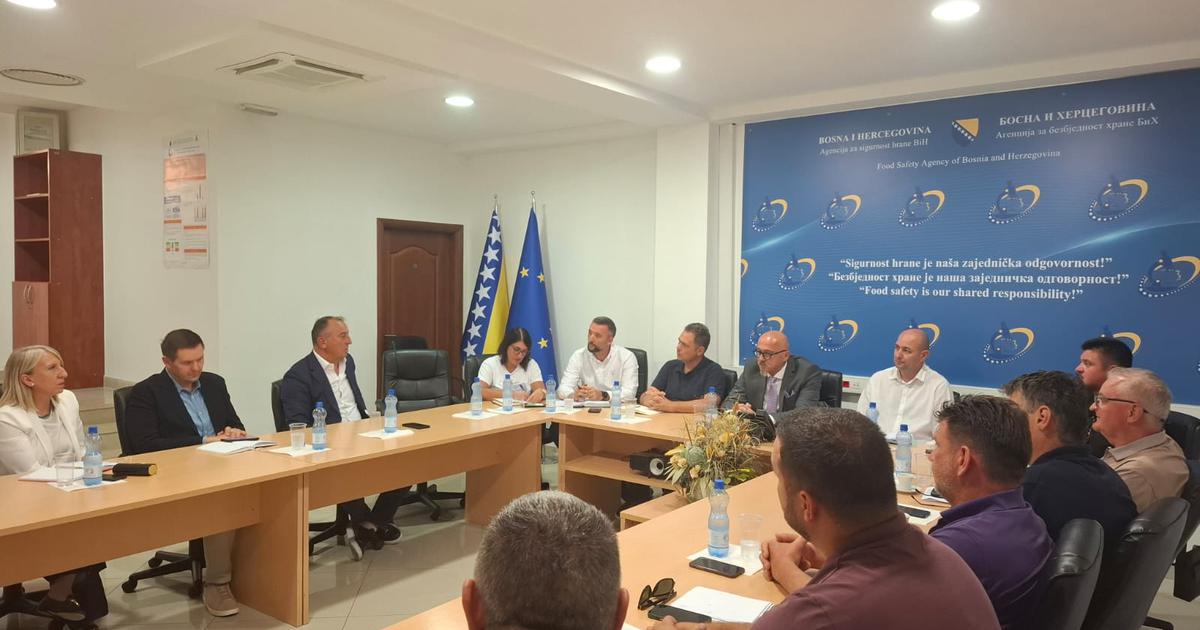
Representatives of the Food Safety Agency of Bosnia and Herzegovina, the country’s Poultry Coordination Committee and GM soymeal importers discussed the issue at a meeting in Mostar, according to Večernji list BiH. The talks covered applications for marketing genetically modified animal feed under current Bosnian regulations, including the approval process and the charges imposed for each decision.
GM soymeal is used in animal feed, making the regulatory dispute directly relevant to poultry and livestock producers. Higher import and compliance expenses could pass through to feed prices and ultimately affect production costs across the domestic meat, egg and livestock sectors.
More EU approvals increase the compliance burden
The Poultry Coordination Committee and soymeal importers had previously contacted the Council of Ministers, the Food Safety Agency and the Veterinary Office of Bosnia and Herzegovina. They pointed to the growing number of genetic modifications authorized by European Union institutions. Under Bosnia’s current framework, this trend increases the number of approvals and related costs faced by importers.
The industry groups warned that these expenses could lead to significant increases in animal-feed prices and then weigh on livestock production in Bosnia and Herzegovina. The source did not provide the amount of the existing fee, the volume of imported soymeal or an estimate of the potential price increase. The timing and scale of any market effect therefore remain uncertain.
Agency representatives said they understood importers’ concerns about both rising import costs and demanding administrative procedures. However, they stressed that only the Council of Ministers can amend the decision setting the special fee for approvals to market genetically modified food and animal feed. That fee is governed by a decision published in the Official Gazette of Bosnia and Herzegovina, No. 61/14.
Legislative change requires broad political support
The agency also confirmed that importers’ requested procedural changes cannot be implemented without amending the existing GMO law or adopting a new one. This means an administrative adjustment by the food-safety regulator alone would not resolve the industry’s concerns.
If it receives support from the Council of Ministers and the competent authorities of Bosnia and Herzegovina’s entities and Brčko District, the Food Safety Agency said it would initiate amendments to the GMO law and the decision on the special approval fee as quickly as possible. The proposed work would seek to align Bosnian rules with EU legislation and address requests from poultry producers and GM soymeal importers.
Until those steps are taken, companies remain exposed to the existing approval system as the EU authorizes additional genetic modifications. For feed buyers, the immediate commercial question is whether compliance expenses remain manageable or are transferred into domestic feed quotations. Poultry and livestock producers would be particularly sensitive to such increases because soymeal is an important feed ingredient and the reported regulatory costs arise before the material reaches farms.