Black Sea and Balkan supplies set the direction for Greek corn prices
Greek producer prices for the new corn crop could open at €0.22-0.24 per kilogram, but the outcome depends heavily on import costs. Ukrainian export capacity, Romania’s harvest and logistics, and competitively priced Bulgarian truck deliveries will determine whether the market can sustain those levels.
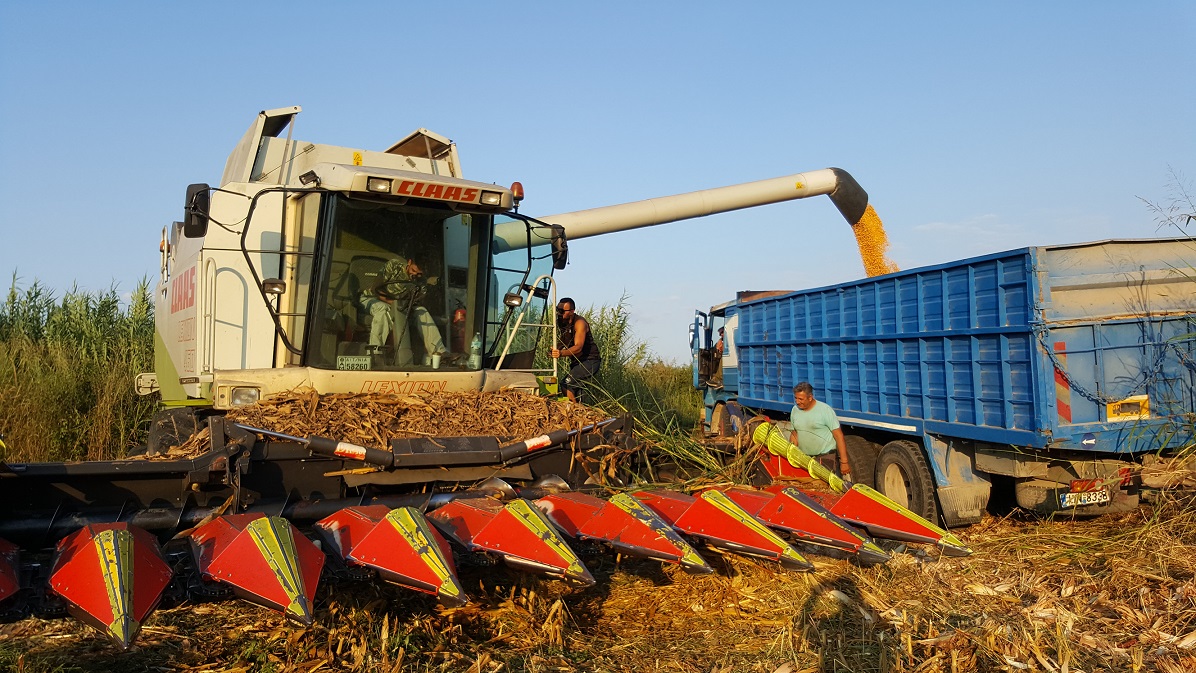
Greek growers approach harvest with firmer expectations
Greece’s corn market is entering the final stage before harvest with producer prices expected to open at about €0.22-0.24 per kilogram in September, according to market estimates cited by Thessalia Television. The outlook is better than growers feared several months ago, although actual prices will depend on yields, moisture and crop quality.
Corn gained planted area from cotton in the Thessalian plain this season. Even so, the size of Greece’s crop alone will not determine returns. Livestock and poultry demand, transport costs and the delivered price of imported corn will influence what merchants and feed users are prepared to pay.
Contracts for Greek corn had traded at approximately €0.20-0.23 per kilogram since spring. At that time, Ukraine’s new crop was quoted near €188-190 per tonne. The comparison highlights the central question for domestic producers: how much Black Sea grain will cost after freight and handling when it reaches a Greek port or feed operation.
Ukraine’s export constraints reduce immediate pressure
Ukraine has historically supplied large volumes capable of placing a ceiling on Greek prices. Attacks on Ukrainian port infrastructure and continuing difficulties with Black Sea shipments have reduced the flow of grain, limiting the availability of inexpensive imported corn in European markets.
Reuters data cited by Thessalia Television showed that Ukrainian grain exports fell 75% in early August. Problems moving the new crop are therefore supporting the Greek market by restricting one of its principal sources of import competition. The effect could reverse if Ukraine restores export flows and releases substantial volumes at competitive prices.
For Greek buyers, the issue is not simply Ukraine’s production but its effective export capacity. A cargo that cannot leave efficiently has less ability to depress prices in Greece. Restored port operations and larger shipments, however, would quickly return Ukrainian supply to the calculation of merchants, processors and livestock businesses.
Romania and Bulgaria offer different supply channels
Romania could partially offset production losses elsewhere in Europe. Rainfall improved its yield outlook, and estimates referenced by Reuters put the crop at about 8 million tonnes. Nevertheless, August drought and very low Danube water levels have created uncertainty over final output and raised concerns about transport costs.
Romanian corn may consequently provide meaningful supply without necessarily being cheap enough to eliminate upward pressure in Greece. The final result will depend on weather through harvest and on the cost and availability of river and port logistics.
Bulgaria has a more immediate influence because corn can reach Greece by truck at comparatively low transport cost. Large Bulgarian availability at competitive prices creates direct pressure on Greek growers. A smaller crop or higher logistics costs would leave more room for domestic prices to hold.
Greece imports corn from Ukraine and Romania through ports and from Bulgaria by road. These routes make conditions in all three origins directly relevant, while Bulgaria’s proximity gives it particular importance for northern and regional Greek markets.
Lower EU production provides underlying support
Heat and drought have damaged major European growing regions. Thessalia Television reported that the European Commission reduced its forecast for EU corn production in 2026/27 to 51.9 million tonnes at the end of July. More recent estimates cited in the report leave open the possibility of output falling below 50 million tonnes.
France has faced substantial heat and drought pressure, while Germany is also expected to produce less. Poland and Romania could offset part of the European shortfall, but the overall production picture remains supportive for prices.
The Greek market is therefore caught between two forces. Reduced EU production and constrained Ukrainian exports support domestic values, while large and competitively priced shipments from Ukraine, Romania or Bulgaria would increase import pressure. The initial range of €0.22-0.24 per kilogram is attainable if imports remain restricted and Europe retains a supply deficit, but it will not apply uniformly to every grower. Quality, moisture, local demand and the delivered cost of alternative supply will decide individual transactions.