Benin prepares first crude oil sales in 28 years as revived output moves toward market
Agence Ecofin reports that Benin has lifted the last barrels of its current extraction phase and is now preparing the crude for commercialization, 28 years after its previous output. Drilling began in 2025 and the restart has been postponed several times. Volumes, buyers and the loading window for a first cargo have not been disclosed.
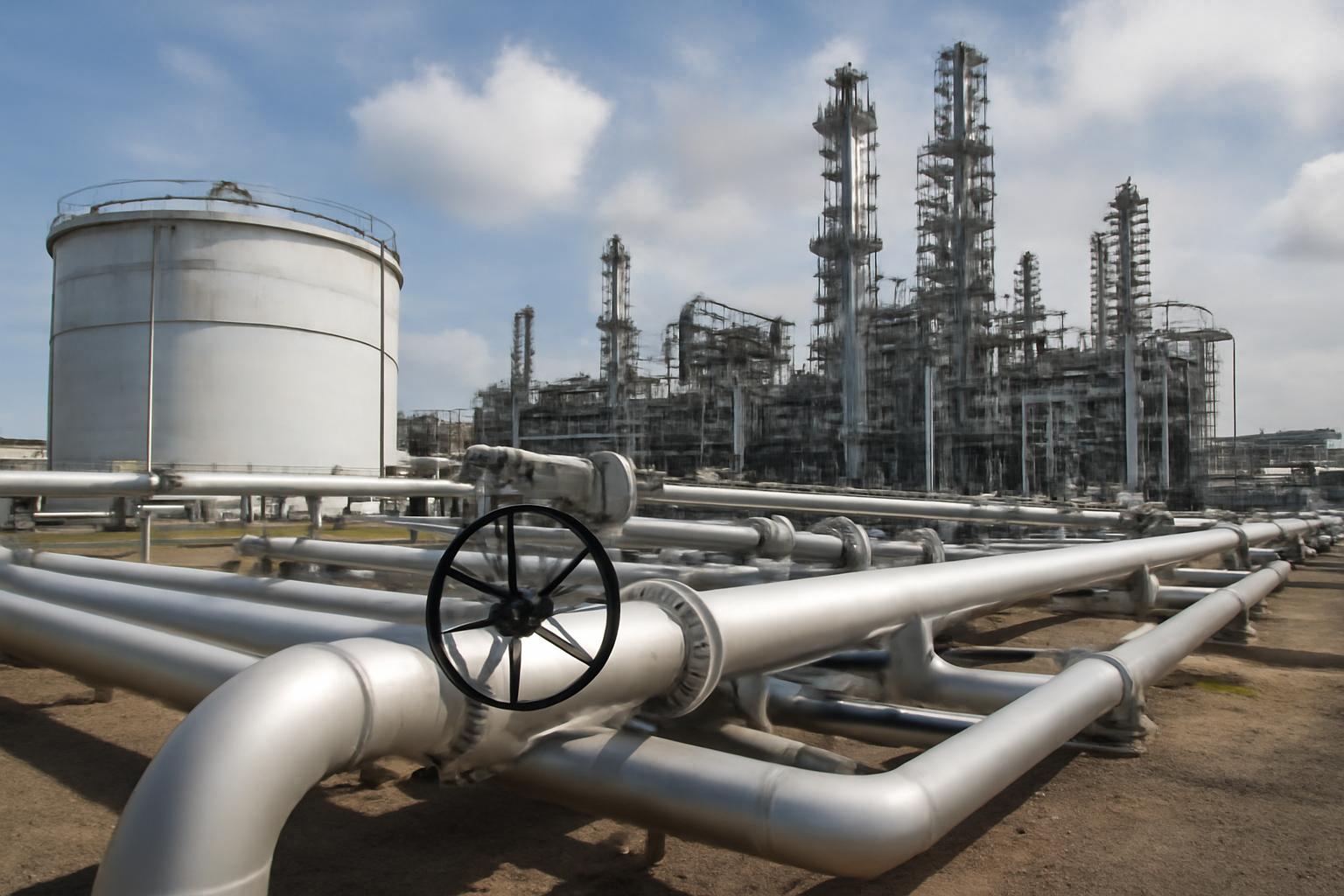
Production resumes after a 28-year interruption
Benin is preparing to bring crude oil to market for the first time in 28 years. Agence Ecofin reports that the last barrels of the current extraction phase have been lifted and that the output is now being prepared for commercialization. If the sales go through, the West African country re-enters the ranks of crude producers and exporters after almost three decades away from the market.
The gap is unusually long. Through those 28 years Benin appeared in energy statistics only as a consumer, buying the refined fuels its economy runs on. Restarting a dormant petroleum sector therefore involves more than a producing well: contracts, fiscal terms, metering, storage and export logistics have to be rebuilt more or less from scratch, with no recent domestic track record for investors or buyers to price against.
A timetable that has slipped repeatedly
The revival has not followed its announced calendar. According to Agence Ecofin, the restart of Beninese oil production has been postponed several times since drilling was launched in 2025, and each missed deadline has sharpened scrutiny of the schedule. Delays of this kind are common in first-oil projects, where a single item of equipment or one unresolved permit can move a loading date by months.
The report does not settle the questions the market cares about most. Key parameters remain undisclosed:
- daily and cumulative production volumes
- the quality and assay results of the crude
- buyers and the pricing basis for the first cargoes
- the loading window for the first export cargo
From production to a sellable cargo
Commercialization is a separate hurdle from extraction. Crude has to be stored and evacuated, metered to a standard buyers accept, and characterized by an assay so refiners know what they are processing: density, sulphur content and yield profile determine which refineries can take the barrels and at what discount or premium. Export also means customs classification, with crude petroleum oils moving under Harmonized System heading 2709, the line on which Beninese trade statistics would start showing outbound flows again.
A new grade starts without a trading history. Buyers typically pay less for barrels whose quality and delivery reliability are unproven, and term contracts tend to follow only after several cargoes have loaded on schedule. For a returning producer, the first liftings work as a commercial test as much as a revenue event.
Why a small stream still counts
Additional barrels from a small producer are unlikely to register in global price formation, which is dominated by supply decisions among OPEC+ members and the largest non-OPEC producers. The effects are national and regional: export revenue and fiscal receipts for the state, activity for local service and logistics providers, and a new entry in Gulf of Guinea cargo lists that regional refiners and trading houses will have to evaluate.
For Benin, the trade-balance implication runs both ways: crude exports would be recorded alongside continued imports of refined products, so the net effect depends on volumes and on the spread between the two. Until a cargo actually loads and a buyer is named, this remains a story about production readiness rather than confirmed export flows, a distinction that the repeated slippage since 2025 has made material.