Bengkulu sends first direct 19.2-tonne coffee shipment to Italy
Indonesia’s Bengkulu province has sent its first direct coffee shipment to Italy, totaling 19.2 tonnes. The initiative aims to diversify export channels, establish Bengkulu’s own origin identity and generate more value for local farmers.
Bengkulu opens a direct route to Italy
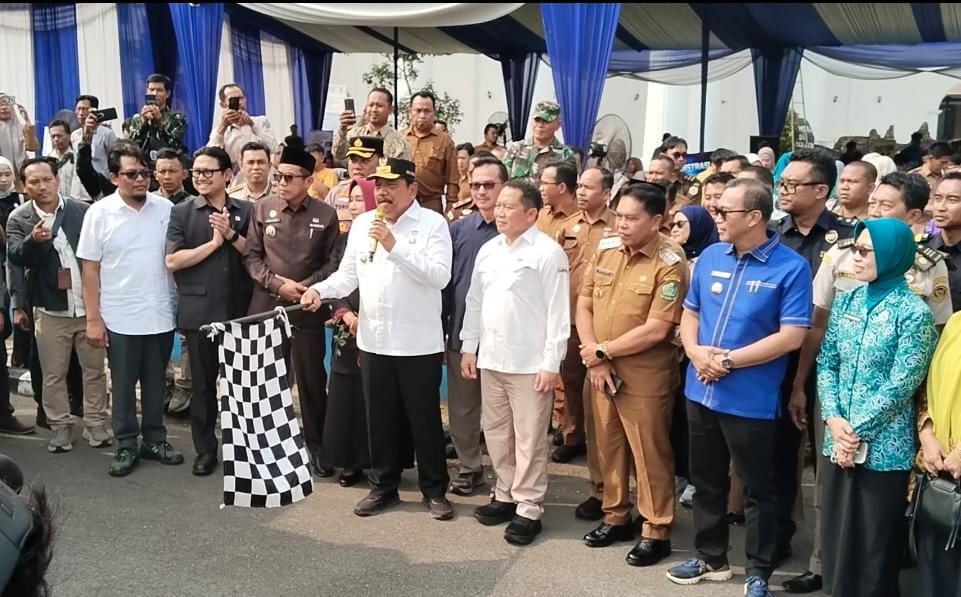
Indonesia’s Bengkulu province has dispatched its first direct coffee export to Italy, sending 19.2 tonnes in a move intended to expand international access for one of the region’s leading agricultural commodities. The shipment was released in Kepahiang on 7 September 2026 and marks the first time coffee carrying Bengkulu’s identity has been exported directly to its destination in Europe, according to ANTARA.
The program brings together the Bengkulu provincial government and Bank Indonesia’s provincial representative office. RBTVCamkoha reported that coffee from three producing districts—Kepahiang, Rejang Lebong and Lebong—was included in the export initiative. The initial consignment is designed both to test access to the Italian market and to introduce Bengkulu as a distinct coffee origin.
Province seeks control over origin branding
Bengkulu coffee has previously reached international buyers through neighboring provinces. That route meant the beans were often associated with another region rather than with their place of production. Vice Governor Mian said the direct shipment gives Bengkulu an opportunity to establish itself not only as a producing area but also as an exporter under its own name.
For local producers, the commercial significance will depend on whether the first cargo develops into repeat orders. Mian warned that the initiative must be supported across the supply chain and that production cannot be allowed to fall after the export launch. He called on district governments to assist farmers in maintaining output and improving quality. Bank Indonesia’s Bengkulu representative, Wahyu Yuwana Hidayat, likewise said the shipment should become a regular activity rather than remain a one-off event.
Kepahiang outlines production potential
Kepahiang Regent Zurdi Nata said the district currently produces at least 26,000 tonnes of coffee annually. With more intensive land management, he said output could rise by at least twofold. That production base is considerably larger than the 19.2-tonne inaugural shipment, but converting capacity into recurring exports will require consistent grading, processing, logistics and buyer relationships.
Regional authorities expect a recognizable Bengkulu origin to increase the commodity’s added value and strengthen farmers’ position in the supply chain. Wahyu linked export development to broader benefits for the provincial economy, including foreign-exchange earnings and greater visibility among investors and international buyers. The immediate test is narrower: delivering the initial cargo to specification and securing follow-on demand from Italy. If shipments become regular, Bengkulu could gain a direct commercial record in Europe instead of relying on neighboring provinces to channel its coffee abroad. Provincial officials also intend to apply the same origin-branding approach to other Bengkulu commodities, including palm oil.