Belgian drought threatens potato crop and frozen-fry supplies
Belgian potato growers warn that weather damage has left part of the 2026 crop too small for fry production. The setback could tighten raw-material supplies for an industry processing more than 6 million tonnes annually and exporting about 90% of its frozen potato output.
Weather leaves fry varieties undersized
Belgian potato growers are warning that the 2026 harvest may be too small to meet demand from the country’s fry producers after a damaging sequence of extreme weather. Heavy rain and storms weakened soils in late spring, while an exceptionally hot and dry summer then prevented potatoes from developing normally, Euronews reported.
The effects are visible in Amay, near the eastern city of Liège, where farmer Mathieu Comin is harvesting Bintje potatoes from parched soil. Some tubers are only about the size of a ping-pong ball. Comin said they would normally be at least four times larger and that potatoes of the current size cannot be used to make fries.
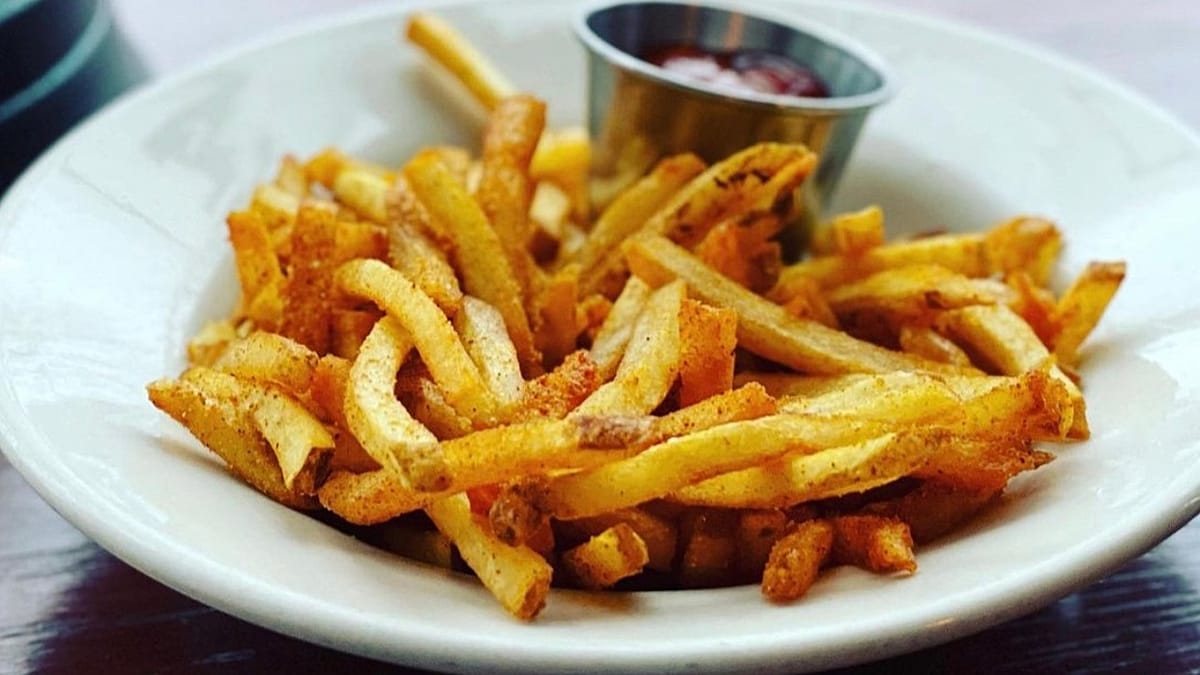
Size is a critical processing specification rather than merely a question of total crop weight. Fry producers and food-service operators prefer large, elongated potatoes that can be cut into commercially suitable strips. Pascal Villaer, owner of the Maison Antoine fry stand in Brussels, said the changing seasons were making it difficult to find the ideal potato for fries.
Contracts increase pressure on growers
The Comin family grows about 500 hectares of potatoes and has contracts requiring it to deliver agreed volumes to processing companies. It plans to cover part of those commitments with stocks retained from the unusually abundant previous harvest. That inventory offers a limited buffer, but the report provides no national production estimate or figure for the volume held in storage.
The situation exposes the tension between fixed delivery commitments and weather-dependent yields. Farms with sufficient carryover stocks may be able to reduce immediate shortfalls, while growers without such reserves face greater difficulty supplying processors. The availability of potatoes meeting fry specifications will also matter: a harvested tonne does not automatically represent a tonne that factories can use efficiently.
Belgium’s national association of fry-shop owners, which represents about 4,500 outlets, has warned that restricted potato availability could lead to higher prices. Any increase would affect a domestic food-service sector already dependent on specific varieties and dimensions, although Euronews did not report current potato or frozen-fry prices.
Export markets face potential supply squeeze
The crop problem carries significance beyond Belgium because the country is the world’s largest exporter of frozen fries. Its potato-processing industry handles more than 6 million tonnes a year, and about 90% of the frozen potato products made in Belgium are shipped abroad to more than 120 markets.
That export profile means a shortage of processing-grade potatoes could be transmitted through factory procurement, production planning and overseas supply contracts. Processors may first draw on inventories and contracted deliveries, but sustained raw-material constraints would reduce their flexibility when serving both established customers and Belgium’s domestic market.
The eventual effect on foreign buyers will depend on the scale of the national harvest, the quality distribution of the crop and remaining stocks from the previous season. No quantified forecast for the production loss has been reported. For importers and food-service buyers, the immediate issue is therefore supply risk rather than a confirmed shortage: Belgium still has processing capacity and carryover stocks, but its factories require potatoes of the correct size and quality to keep frozen-fry output flowing.