Belarus Targets Record 1.5 Million-Tonne Rapeseed Harvest as Processing and Exports Expand
Belarus expects its 2026 rapeseed harvest to reach about 1.5 million tonnes after collecting a record 1.4 million tonnes of winter rapeseed. Domestic processors are turning the crop into food oil, animal feed and export products worth more than $500 million annually.
Harvest reaches a historic high
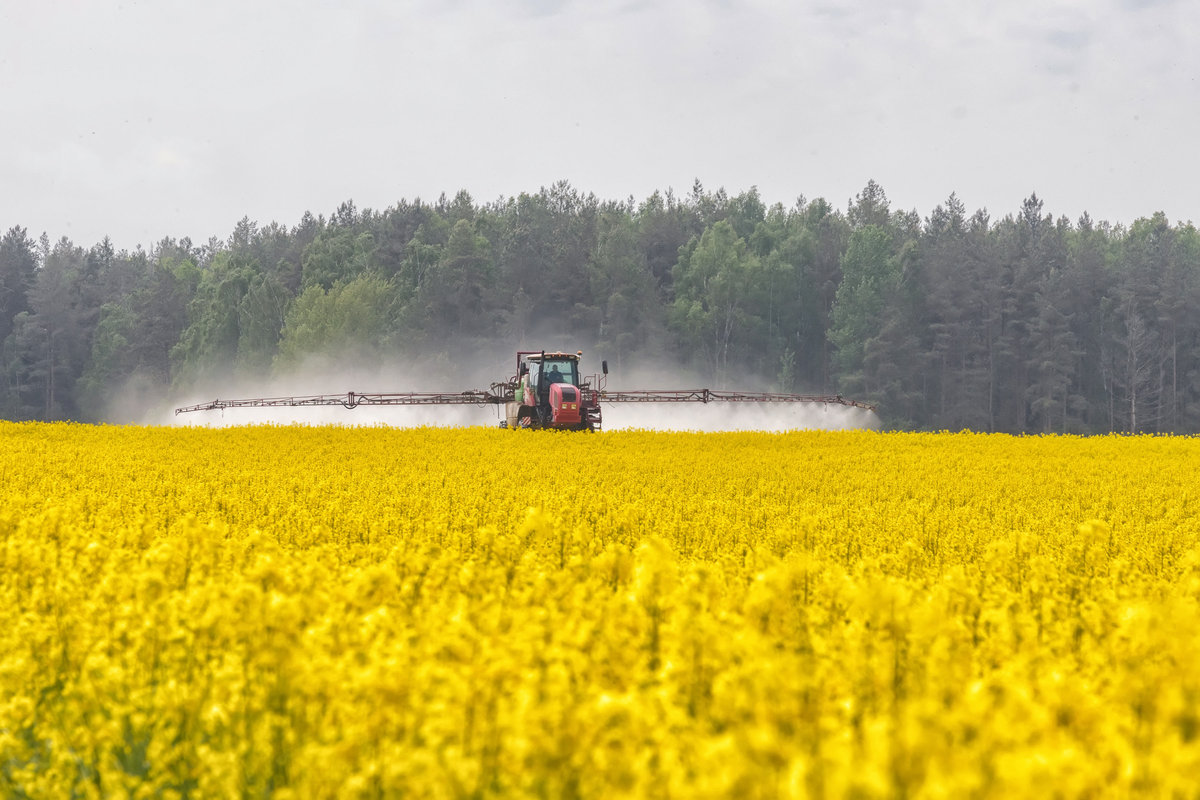
Belarus expects to harvest about 1.5 million tonnes of rapeseed in the current season, strengthening the crop’s position as the country’s principal oilseed. Agriculture and Food Minister Yuri Gorlov said the winter crop had been fully harvested, producing 1.4 million tonnes at an average yield of 32 centners per hectare. The final total is expected to rise to 1.5 million tonnes once spring rapeseed is included.
The winter harvest represents a historic high for Belarus. It also marks a sharp increase from 2025, when farms of all categories collected 910,300 tonnes of rapeseed, according to figures cited by Agronews. Farmers have nearly completed sowing winter rapeseed for the next harvest, indicating that the crop will remain central to the country’s agricultural production plans. Overall Belarusian agricultural output in the first seven months of 2026 reached 112.9% of the corresponding year-earlier level.
Farms move closer to processing
The expansion is visible at individual producers. At Ptitsefabrika Druzhba in the Baranovichi district, 2,886 hectares were allocated to rapeseed to support feed supplies for livestock and poultry. The company harvested 10,508 tonnes of oilseed this season, 3,472 tonnes more than in 2025, with an average yield of 36.4 centners per hectare. Acting deputy general director Mikhail Polozok said rapeseed requires strict compliance with cultivation technology because mistakes can lead directly to lost yield.
Ptitsefabrika Druzhba is building its own processing line. The facility will produce rapeseed cake as a source of vegetable protein and oil for compound feed, helping the company reduce production costs. The project illustrates how Belarusian agricultural businesses are seeking to capture more value within the farm or integrated livestock operation instead of selling all harvested seed as raw material. Processing also produces multiple commercial streams: edible oil, feed oil, meal and cake.
Research supports an export industry
Rapeseed was still treated mainly as an intermediate green-fodder crop in Belarus in the mid-1980s, when yields were low. Active research began in 1986. Yadviga Pilyuk, head of the oilseed department at the National Academy of Sciences’ agricultural research centre, said breeders subsequently developed winter-hardy varieties and more effective cultivation methods. The national register now contains 30 winter rapeseed varieties and 27 spring varieties, while another 16 developments are undergoing trials. Belarusian-bred varieties account for 1.4% of the global sowing structure, according to the report.
Belarus is now among the world’s ten largest exporters of rapeseed oil and earns more than $500 million annually from overseas sales, SB. Belarus Today reported. At home, rapeseed oil covers domestic requirements, while oil, meal and cake are also sold abroad. Demand in the consumer segment is increasing: the Belgospishcheprom food industry group said sales of bottled rapeseed oil rose by more than 8% in the first half of 2026. The combination of a record crop, locally developed varieties and investment in processing gives producers more scope to supply both food and feed markets while reducing dependence on unprocessed seed sales.