Belarus proposes dairy, meat, feed and technology supplies to Indonesia
Belarus has presented Indonesia with a broad export offer covering butter, cheese, meat products, animal feed, amino acids, fertilizers and machinery. The proposal also includes technology transfer, although no contracts, volumes, prices or delivery dates have been disclosed.
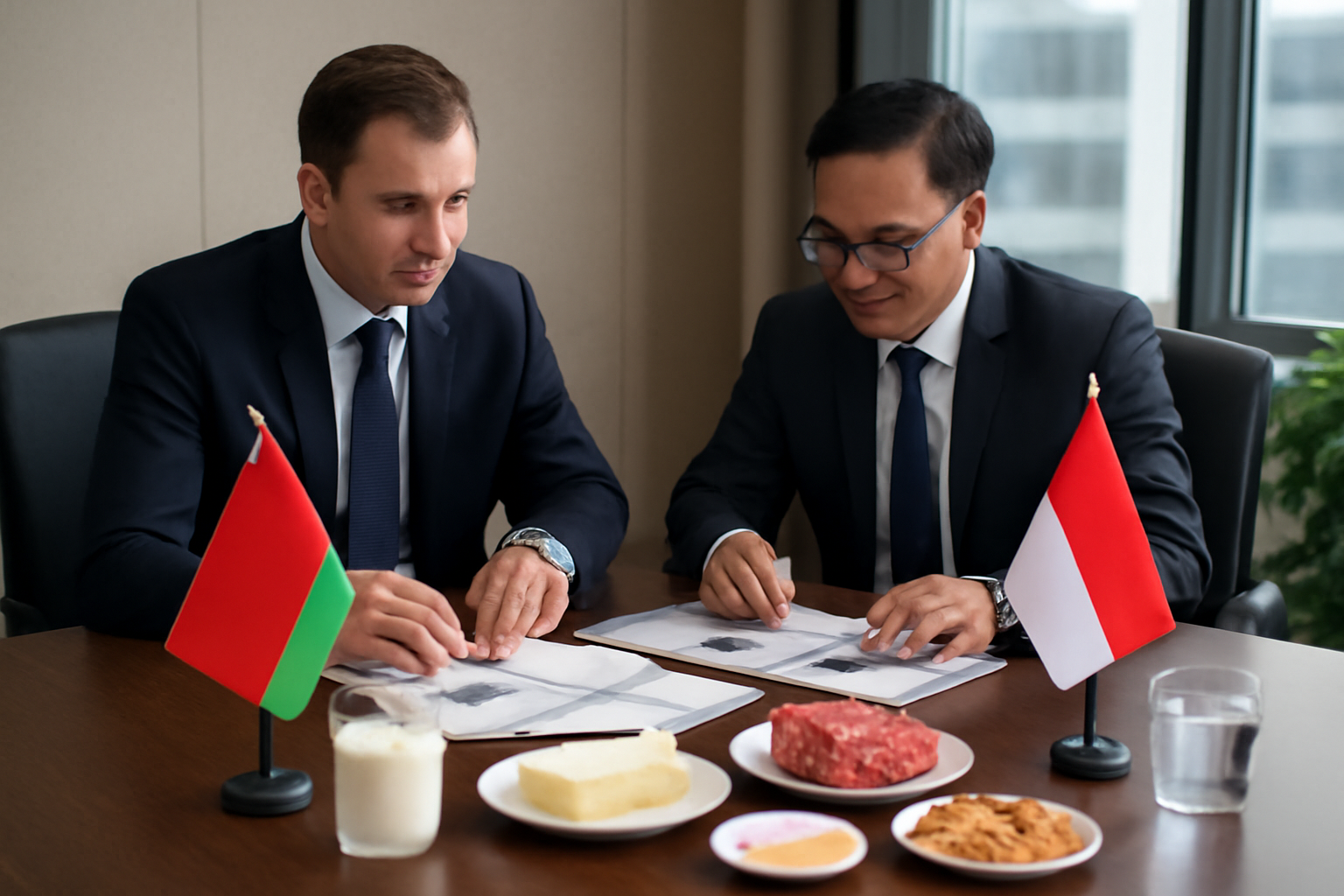
Belarus broadens its offer to Indonesia
Belarus is seeking to expand commercial ties with Indonesia through supplies of food, agricultural inputs and machinery, accompanied by the transfer of production technology. The proposed portfolio includes butter, cheese and other dairy products, meat products, compound feed, amino acids and fertilizers.
BELTA reported that Belarus is interested in supplying butter and cheese to the Indonesian market. A Belarusian deputy minister said the country was also ready to offer a wider range of dairy and meat products, as well as compound feed formulated for poultry, cattle and valuable fish species. Amino acids were included in the list.
The offer represents an attempt to market several connected parts of the Belarusian agricultural supply chain rather than a single commodity. Dairy and meat exports would target food buyers, while feed and amino acids would serve livestock, poultry and aquaculture producers. This gives Belarus potential access to both consumer-food channels and industrial agricultural customers.
Technology transfer added to product sales
SB.by reported that Belarus is offering Indonesia not only food, fertilizers and machinery, but also full technology transfer. The available source material does not specify which technologies, production sites or equipment packages are under discussion. It also does not indicate whether the transfer would involve licensing, local assembly, engineering services or the construction of processing capacity.
Combining equipment and know-how with physical exports could make the proposal relevant to Indonesian processors seeking to develop local production. It could also allow Belarusian suppliers to build longer commercial relationships than would be possible through individual shipments of butter, cheese or fertilizer. However, no participating companies or prospective Indonesian customers were named.
The breadth of the offer suggests that negotiations may involve several regulatory and commercial tracks. Dairy and meat products normally require market-access clearance and compliance with importing-country food rules, while feed, amino acids and fertilizers have separate technical requirements. The source reports do not state whether these approvals have already been obtained.
Commercial terms remain undisclosed
No contract value, shipment volume, price, timetable or production capacity was provided in the published material. There was also no announcement of a signed supply agreement. The initiative should therefore be viewed as an export proposal and market-development effort, rather than confirmation that trade has begun.
For Belarusian producers, Indonesia could provide an additional destination for processed food and agricultural inputs beyond established markets. The diversified list may help exporters approach different groups of buyers, but actual sales will depend on certification, logistics, pricing and the ability to compete with suppliers already serving Indonesia.
For Indonesian importers and processors, the proposal creates another potential source of dairy products, meat, feed ingredients, fertilizers and equipment. Its practical market effect will remain limited until the parties disclose specific products, approved facilities, commercial counterparties and delivery terms. Technology transfer could become the most durable part of the relationship if it leads to local processing or production, but the reports provide no details on implementation.