Belarus Reports 8.8 Million-Tonne Grain Harvest as Fieldwork Nears Completion
Belarus had harvested 8.819 million tonnes of grain, including rapeseed, by August 28, with crops excluding corn cleared from 97% of the planned area. Sugar beet harvesting has also begun, while fertilizer stocks exceed the official target ahead of winter sowing.
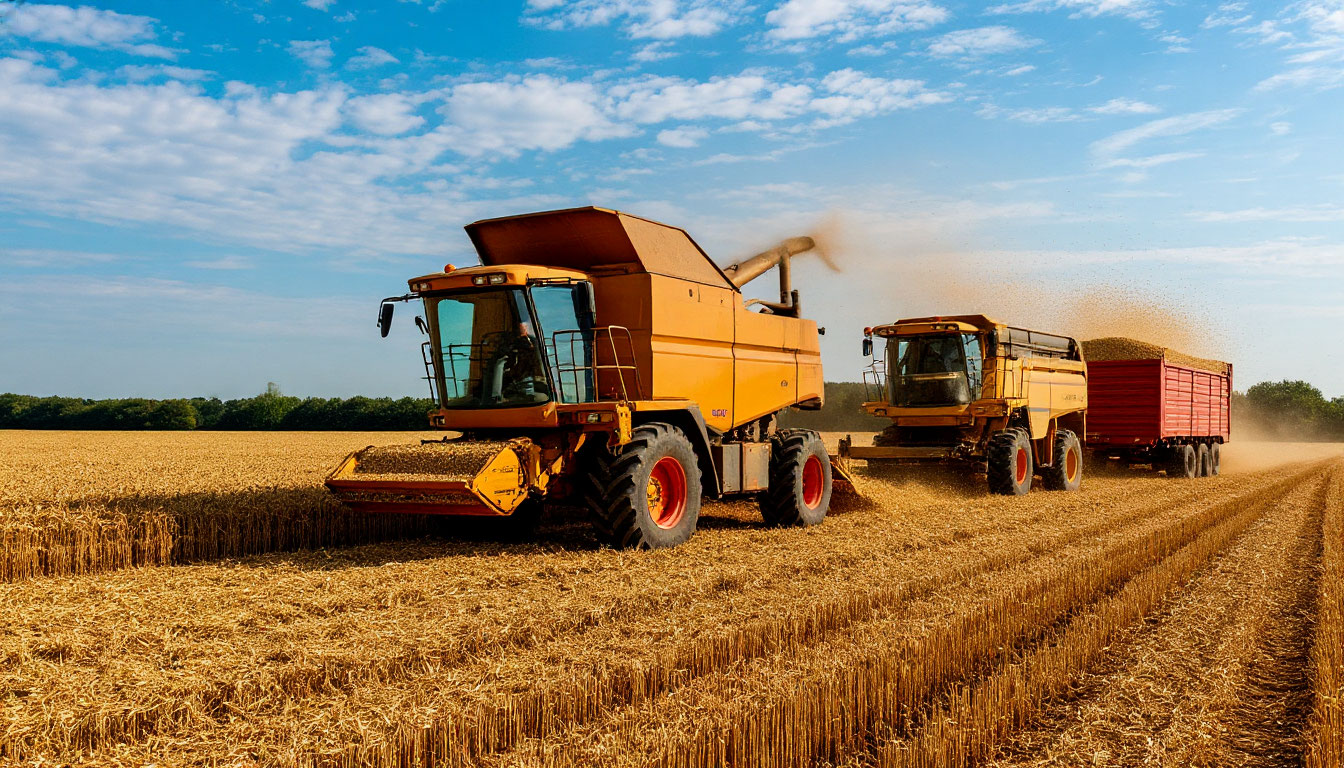
Grain campaign approaches completion
Belarus had harvested 8.819 million tonnes of grain, including rapeseed, by August 28, according to 4esnok.by, citing the press service of the country’s Ministry of Agriculture and Food. The reported total provides the clearest national snapshot so far of the 2026 harvest as fieldwork moves toward completion.
Farmers had cleared 2.397 million hectares of crops grown for grain, excluding corn. That represented 97% of the planned 2.432 million hectares, leaving about 35,000 hectares still to be harvested under this measure. The advanced state of the campaign means that the final result for these crops is unlikely to be driven by a large remaining area, although corn harvesting and any subsequent revisions could still affect broader grain supply figures.
The published data combine grain and rapeseed in the headline tonnage, limiting direct comparisons with figures that report cereals separately from oilseeds. The source also does not provide a breakdown by crop, quality grade or end use. Those details will be important for millers, feed manufacturers, crushers and traders assessing how much of the harvest can meet specific domestic or external demand.
Minsk region leads national output
The Minsk region accounted for more than one-quarter of the national harvested volume, making it the country’s leading producing region, 4esnok.by reported. No precise regional tonnage or yield was supplied, but the concentration underlines the region’s importance to procurement, storage and processing activity during the closing stages of the campaign.
For domestic buyers, the 8.819 million-tonne figure signals a substantial flow of crops into the supply chain. However, it does not by itself establish the volume available for export. Export capacity will depend on the eventual crop composition, quality, storage requirements and demand from Belarusian food, feed and oilseed-processing industries. The source provides no figures for domestic consumption, carry-in stocks, export commitments or prices, so an exportable surplus cannot yet be calculated from the harvest update alone.
The distinction is particularly relevant because rapeseed is included in the national total. Rapeseed can move into crushing and vegetable oil production rather than the cereal balance, while individual grains may serve milling, feed or seed markets. A more detailed official crop breakdown would therefore be needed before traders can translate the headline harvest into commodity-specific availability.
Sugar beet harvest begins
Belarus has also started the mass harvesting of sugar beet. More than 6,000 hectares had been cleared by the reporting date, equivalent to almost 6% of the planned 109,000 hectares. Farmers had lifted 251,000 tonnes of roots at an average yield of 397 centners per hectare, according to the ministry data reported by 4esnok.by.
With most of the planned beet area still standing, weather, harvesting speed and factory intake capacity will remain important for the final result. The early volume gives sugar processors their first significant inflow of the campaign, but it is too soon to infer total sugar output because the source does not report beet sugar content, processing recovery rates or factory production.
Fertilizer stocks support winter sowing
The Ministry of Agriculture and Food has set its autumn fieldwork strategy, including preparations for winter sowing. Available mineral fertilizer stocks—covering nitrogen, phosphorus and potassium nutrients—stood at 262,000 tonnes of active ingredient. That was equal to 152% of the official plan.
The inventory is intended to support the sowing of almost 2 million hectares of winter crops. Its level reduces one immediate input constraint for the autumn campaign and provides a foundation for the next production cycle. Actual planting progress, weather conditions and the timing of fertilizer application will determine whether the strong level of input availability translates into successful crop establishment.