Belarusian pharmaceutical producer FARMLAND plans domestic synthesis production
Belarusian pharmaceutical producer FARMLAND plans to establish domestic synthesis production as the country seeks greater independence from imported medicines and pharmaceutical ingredients. The available report does not disclose the project’s capacity, investment, product range or launch schedule.
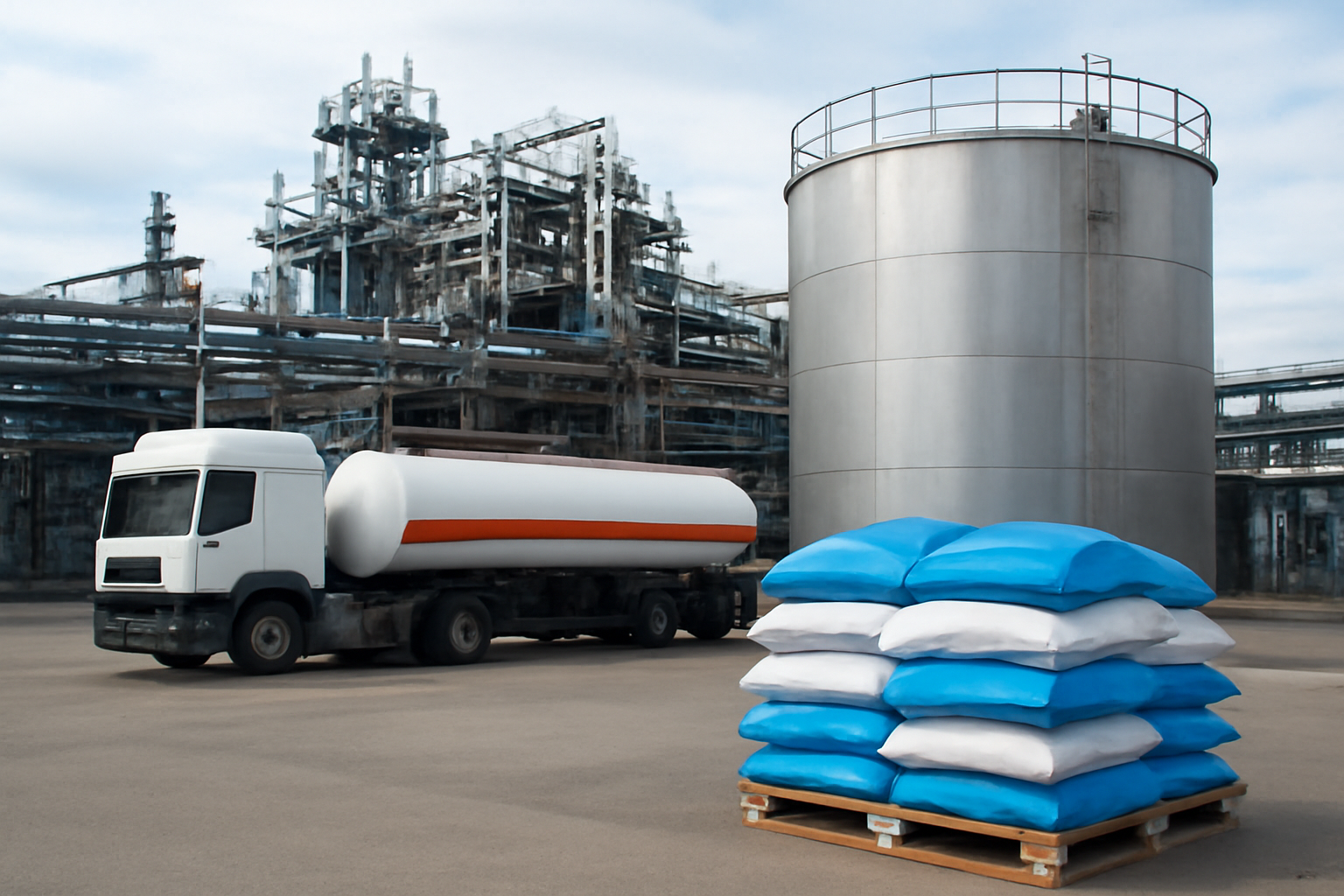
FARMLAND outlines domestic production plan
Belarusian pharmaceutical producer FARMLAND plans to establish synthesis-based production in the country, according to BELTA. The proposal is being presented as part of Belarus’s effort to strengthen import independence in healthcare, a sector where access to medicines and pharmaceutical ingredients is considered strategically important.
The information currently available describes the project as a planned production initiative rather than an operating facility. It does not specify the intended capacity, investment value, construction site, commissioning date or list of substances to be manufactured. It also does not indicate whether the operation would focus on active pharmaceutical ingredients, intermediates, finished medicines or a combination of these products.
Import dependence shapes the rationale
BELTA placed the plan in the context of global geopolitical turbulence, which has pushed import independence higher on the policy agenda in many countries. For Belarus, local pharmaceutical synthesis could reduce exposure to disruptions affecting foreign suppliers, transport routes, payments or access to critical inputs. The commercial effect, however, will depend on which compounds FARMLAND chooses to produce and whether domestic output can meet the required quality, scale and cost benchmarks.
Synthesis capacity is only one part of a pharmaceutical supply chain. Producers also require raw materials, reagents, equipment, quality-control systems and regulatory approvals. A domestic plant can therefore replace selected imported products without eliminating reliance on foreign inputs. The degree of substitution will become clearer only when FARMLAND discloses the project’s product portfolio and sourcing model.
Industry awaits capacity and timing details
For medicine manufacturers and distributors, the project could create an additional local source of strategically important materials or products. That could shorten some supply chains and provide an alternative when imports are delayed or unavailable. The plan may also affect foreign suppliers serving Belarus if locally produced equivalents gain regulatory approval and become commercially competitive.
No production figures or trade data were included in the supplied report, making it impossible to quantify the potential reduction in imports. The next material disclosures will be the plant’s planned capacity, target substances, capital requirements and launch timetable. Those details will determine whether the initiative is a limited substitution project or a broader expansion of Belarusian pharmaceutical manufacturing.