Battery surge masks wind shortfall risk to Australia’s 2030 renewable goal
AEMO’s FY2026 Connections Scorecard recorded 9.1 GW of new capacity, Australia’s largest annual addition. Batteries supplied more than half of the total, leaving the 2030 renewable energy target exposed to a shortfall in new wind and solar generation.
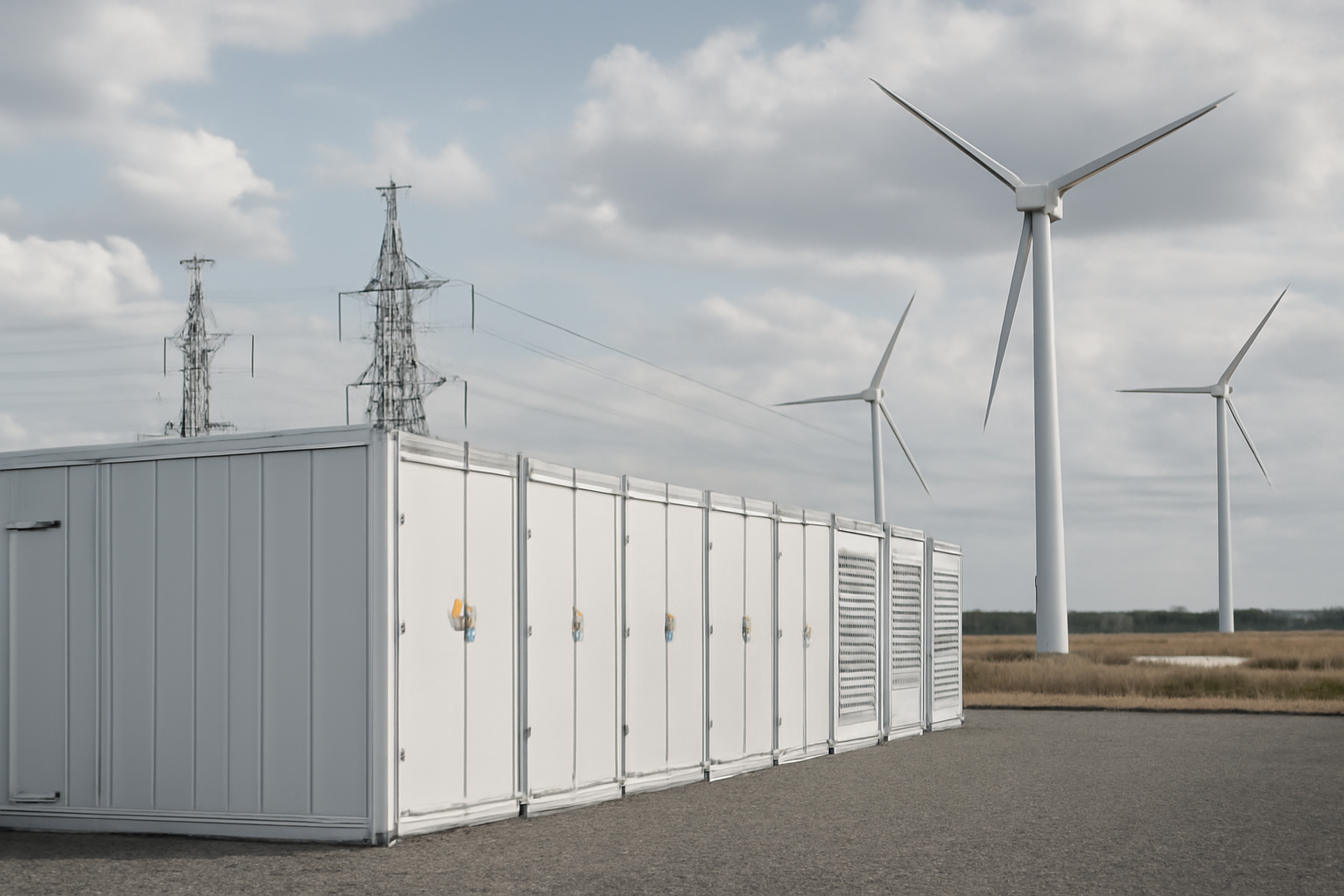
Record capacity growth comes mainly from storage
Australia recorded its largest year of new power capacity in AEMO’s FY2026 Connections Scorecard, with 9.1 GW added to the system. The headline figure points to a rapid expansion of electricity infrastructure, but its composition is more important for assessing progress toward the country’s 2030 renewable energy target.
More than half of the new capacity came from batteries rather than wind or solar projects. Storage is becoming a larger part of Australia’s power market, yet batteries do not produce electricity. They store power generated elsewhere and return it to the grid when demand, prices or system conditions make discharge valuable.
Batteries and renewable generation serve different roles
The battery surge can improve the use of existing renewable assets. Storage can absorb electricity when supply is abundant and release it at other times, giving generators and market participants more flexibility. It can also support a system accommodating a growing share of variable wind and solar output.
That role does not remove the need to build new generating capacity. If additions of wind and solar remain behind the level required for 2030, a record connections total driven by batteries may overstate progress toward the renewable goal. The country needs both generation and storage: renewable plants to produce electricity and batteries to move that electricity across time.
Wind shortfall creates the central risk
The reported weakness in wind development is therefore a material concern. Wind projects can add substantial renewable generation, but the FY2026 scorecard’s 9.1 GW total does not by itself show that enough new renewable electricity will be available. With more than half of the capacity represented by batteries, less than half was available for all other technologies combined.
The supplied material does not provide separate figures for wind, solar or other capacity, nor does it specify the additional volume required to meet the 2030 target. It nevertheless shows a clear mismatch between the record scale of overall connections and the slower expansion of the assets that generate renewable power.
Investment must extend beyond the storage boom
For developers and investors, the scorecard signals strong momentum in batteries but a less secure outlook for the generation pipeline. More storage can deepen competition between battery operators and change the value of charging and discharging at different times. Its effectiveness will also depend on having sufficient electricity available to store.
Australia’s 2030 outcome will consequently be determined by the mix of projects connected, not only their combined capacity. The 9.1 GW record is significant for the power market, but it cannot offset a persistent wind and solar shortfall on a like-for-like basis. Meeting the renewable target requires the storage build-out to be accompanied by enough new renewable generation.