Basti exports 25,000 quintals of molasses, earning about $500,000
Basti in Uttar Pradesh exported 25,000 quintals of molasses to an overseas market, generating about $500,000 in foreign exchange. The shipment highlights the district’s emerging place in the state’s agricultural export chain, although the destination, buyer and transaction date were not disclosed.
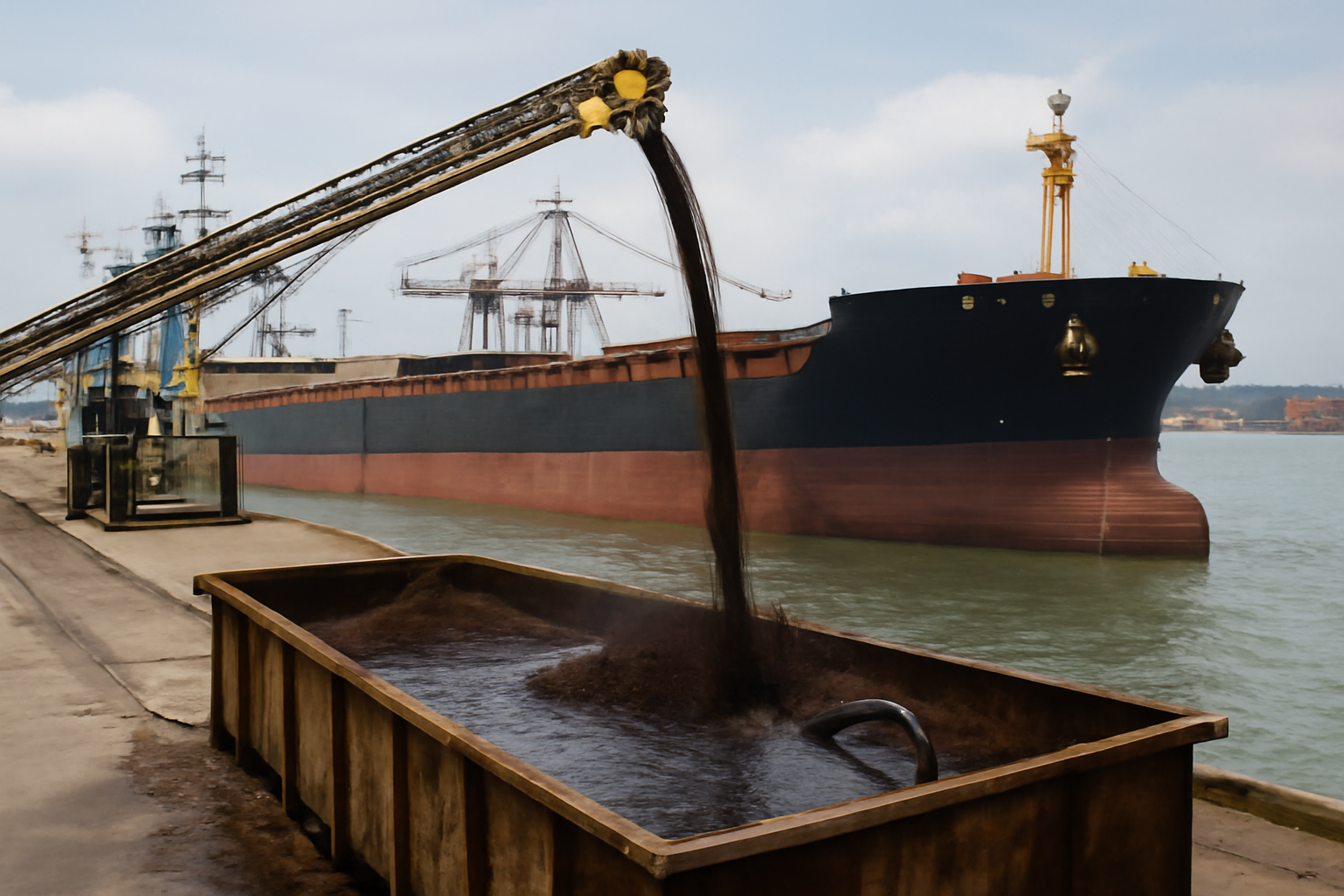
Basti molasses reaches an overseas market
A shipment of 25,000 quintals of molasses from Basti in Uttar Pradesh has been exported to a foreign market, generating about $500,000 in foreign exchange. The transaction connects a sugarcane-producing area with an international buyer and adds an agricultural processing product to the state’s export activity.
The available information does not identify the importing country, buyer, seller, port, shipment date or delivery terms. It also does not specify whether the reported foreign-exchange amount represents the value of the merchandise alone or includes separate charges. These omissions limit comparisons with other molasses transactions and prevent a detailed assessment of the price achieved.
Even so, the reported volume is concrete evidence of an export chain operating from Basti. Moving 25,000 quintals requires coordination beyond production, including aggregation, storage, documentation and transport to the point of export. The shipment therefore matters not only to the supplier but also to the businesses handling the product along the route.
A processed product extends the sugarcane chain
Molasses is linked to sugarcane processing, so its export creates an overseas outlet for material produced within the wider sugar industry. For processors, access to foreign buyers can broaden the commercial options available for output that must otherwise be sold in the domestic market.
The approximately $500,000 earned brings foreign currency into the supply chain. The disclosed figures do not establish how that value was divided among producers, processors, traders, logistics companies or other participants. They nevertheless show that an agricultural product originating in the district can support a transaction with measurable international value.
The export also illustrates the role of inland districts in trade. Basti is the origin of the molasses rather than the final export gateway, meaning the commercial chain must connect local handling with onward transportation and export procedures. Reliable execution at each stage is important because delays, storage conditions and documentation can affect whether a shipment reaches the overseas customer as agreed.
Further details will determine whether volumes can grow
One cargo does not by itself establish a sustained trade flow. Repeat business would depend on buyers returning, suppliers assembling consistent volumes and the chain maintaining the required product specifications. Without information about the destination or contract, it is not possible to judge whether this shipment serves an established market or represents a new sales channel.
For exporters and investors, the next relevant indicators will be the frequency of shipments, the volumes involved and the number of buyers. Disclosure of destination markets and logistics routes would also clarify where Uttar Pradesh’s molasses is competitive and which infrastructure supports the trade.
For Basti, the immediate result is clear: 25,000 quintals of molasses entered the international market and generated about $500,000. The longer-term significance will depend on whether local processors and traders can convert this shipment into recurring orders rather than a single export transaction.