Bangladesh turns to Indian wheat as Dhaka flour prices rise 17%
Bangladeshi buyers have booked more than 200,000 tonnes of Indian wheat after a four-year interruption in large-scale trade. Indian grain priced at $305-$326 per tonne offers a lower-cost alternative as Dhaka flour prices rise and Black Sea supplies face disruption.
Indian wheat returns after a four-year gap
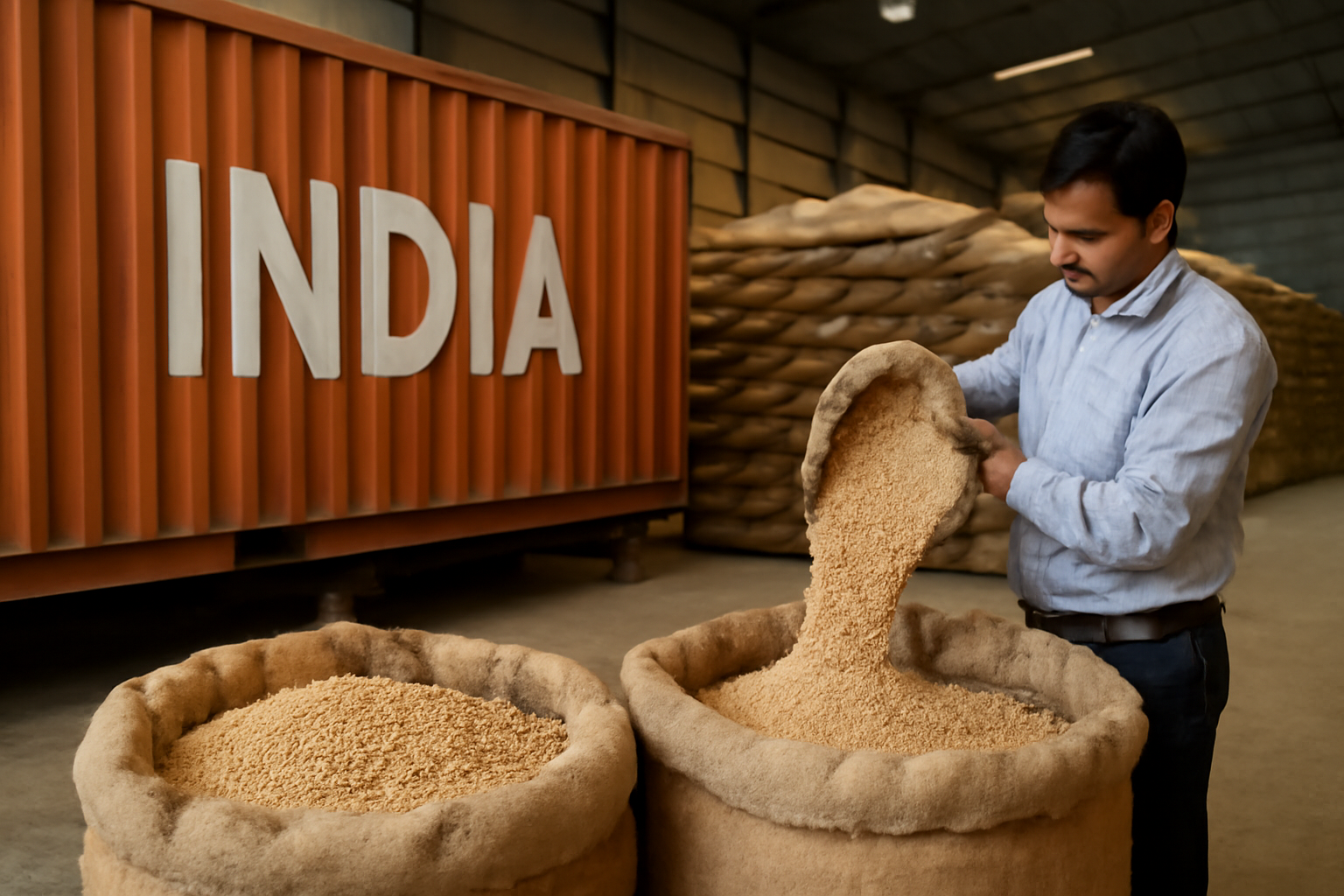
Bangladeshi importers have booked more than 200,000 tonnes of wheat from India since New Delhi eased export restrictions in late August, marking the first major purchases from the neighboring country since 2022. Business Standard reports that most of the grain will travel by rail, with delivered prices estimated at $305 to $326 per tonne.
The renewed flow follows India’s decision to reopen its wheat market after restricting exports in May 2022. Moneycontrol reports that the Indian government permitted 2.5 million tonnes of exports in February 2026 and another 2.5 million tonnes in April. On August 24, the Directorate General of Foreign Trade moved wheat into the “free” export category.
Before the 2022 restrictions, India supplied nearly 70% of Bangladesh’s imported wheat, according to Business Today. Bangladesh subsequently expanded purchases from Argentina, Canada, Russia and Ukraine, with the Black Sea region accounting for about 40% of its imports.
Price advantage becomes decisive
Bangladesh imports more than 7 million tonnes of wheat annually, making procurement costs a major concern for millers and food manufacturers. Indian wheat benefits from short overland routes and lower freight costs. Its delivered price of $305-$326 per tonne is substantially below the more than $450 per tonne currently paid for Australian wheat, which previously cost less than $380, according to industry figures cited by Bloomberg and reported by India Today.
The difference can materially affect flour production costs. A $305-$326 price range also gives Bangladeshi buyers an alternative to longer maritime supply chains at a time when disruption in the Black Sea has lifted international prices. Chicago wheat futures reached their highest level in more than three years last month before surrendering part of the increase, Business Standard reported.
Pressure has already reached consumers. Refined wheat flour prices in Dhaka increased 17% over the past month, according to the state-run Trading Corporation of Bangladesh. Wheat is the country’s second-most-consumed cereal, so higher import and milling costs could add to food inflation and influence demand for both wheat products and rice.
Regional market for Indian supply
Vladimir Zinkovski, head of APAC crops research at S&P Global Energy, told Bloomberg that affordability, rather than physical availability, is the larger risk for Bangladesh. If flour remains expensive, consumers may shift some demand toward rice, although high rice prices also constrain household choices.
India’s return is also affecting the wider South Asian grain market. Sri Lankan importers recently bought about 60,000 tonnes of Indian wheat at around $325 per tonne before shipping. The US Department of Agriculture’s Foreign Agricultural Service forecasts that Indian wheat exports will more than quadruple to 2 million tonnes in the 2026/27 season, supported by ample supplies, relaxed restrictions and Black Sea disruption.
Exports to Bangladesh and Nepal have already increased, while the United Arab Emirates and Indonesia could also take Indian cargoes, according to the agency. For Bangladeshi millers and traders, however, the immediate benefit is logistical: competitively priced grain can arrive by rail from a neighboring supplier. Whether that translates into lower retail flour prices will depend on the duration of global supply disruption and the cost at which subsequent Indian cargoes are secured.