Bangladesh plans Sri Lanka trade mission to assess potato and onion exports
Bangladesh will send a trade delegation to Sri Lanka to evaluate a new market for surplus potatoes and onions. The mission will assess demand, prices, quality requirements and infrastructure needs, but no potential export volume has been announced.
Delegation to test commercial prospects
Bangladesh plans to send a trade delegation to Sri Lanka to assess the commercial prospects for potato exports and explore opportunities for onions. The initiative follows talks between Bangladeshi Commerce, Industry and Textiles and Jute Minister Khandkar Abdul Muktadir and Sri Lankan Minister of Trade, Commerce, Food Security and Cooperative Development Wasantha Samarasinghe.
According to The Business Standard, the ministers met on 10 September during the second day of the 11th Belt and Road Summit 2026 in Hong Kong. Their discussion covered Bangladesh’s agricultural production capacity, potato prices in Sri Lanka and constraints affecting regional supply chains. No target shipment volume, timetable for initial deliveries or prospective contract value was disclosed.
Surplus production drives search for buyers
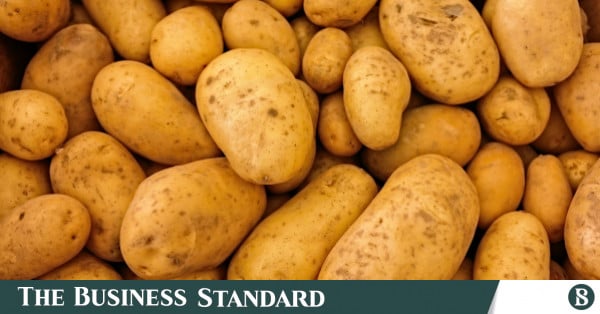
Muktadir said Bangladesh produces more potatoes and onions than its domestic market consumes, creating a need for additional export outlets. He reported that new potatoes were selling for Tk25-Tk30 per kilogram in Bangladesh’s retail market. In his assessment, relatively low production costs and competitive prices could give Bangladeshi suppliers an opening in Sri Lanka.
Samarasinghe expressed Sri Lanka’s interest in importing both products from Bangladesh. The proposal could offer Sri Lankan buyers another regional source of staple vegetables while giving Bangladeshi growers and traders an alternative destination for surplus output. The ministers said stronger regional trade could benefit consumers and producers across the region.
The planned delegation will include representatives of the Potato Association and will examine local demand, prevailing prices and the broader commercial viability of potato sales. It is also expected to meet Sri Lankan traders, food processors and relevant business associations. Those discussions will be important for determining buyer specifications, possible distribution channels and whether regular shipments can compete with supplies already available in the market.
Quality, continuity and logistics remain central
Bangladesh’s commerce minister urged private companies to build a long-term presence in Sri Lanka rather than treat the initiative as a short-lived outlet for excess production. He said retaining an export market would require a consistent year-round supply of quality produce at competitive prices. This places the focus on grading, storage, shipment planning and dependable relationships with importers, not only on farm-gate availability.
The delegation may also examine the feasibility of warehousing and other infrastructure in Sri Lanka. Local storage could help importers and distributors manage delivery schedules and product quality, although the statement provided no investment estimates or details about potential operators. The assessment will need to establish whether logistics and handling costs preserve the price advantage cited by Bangladesh.
Both sides expect the initiative could create a new market for Bangladeshi agricultural products and support better returns for farmers. Sri Lankan consumers, meanwhile, could gain access to comparatively affordable potatoes. The commercial outcome will depend on the delegation’s findings, including the scale and timing of demand, required standards and the ability of Bangladeshi suppliers to deliver uniform products throughout the year.