Bangladesh rice imports forecast to rise 14.3% to 1.6 million tonnes after floods
Bangladesh is forecast to import 1.6 million tonnes of rice in the 2026-27 marketing year, up 14.3% from the previous year. Flood-related crop losses are expected to increase demand for supplies from regional and global markets.
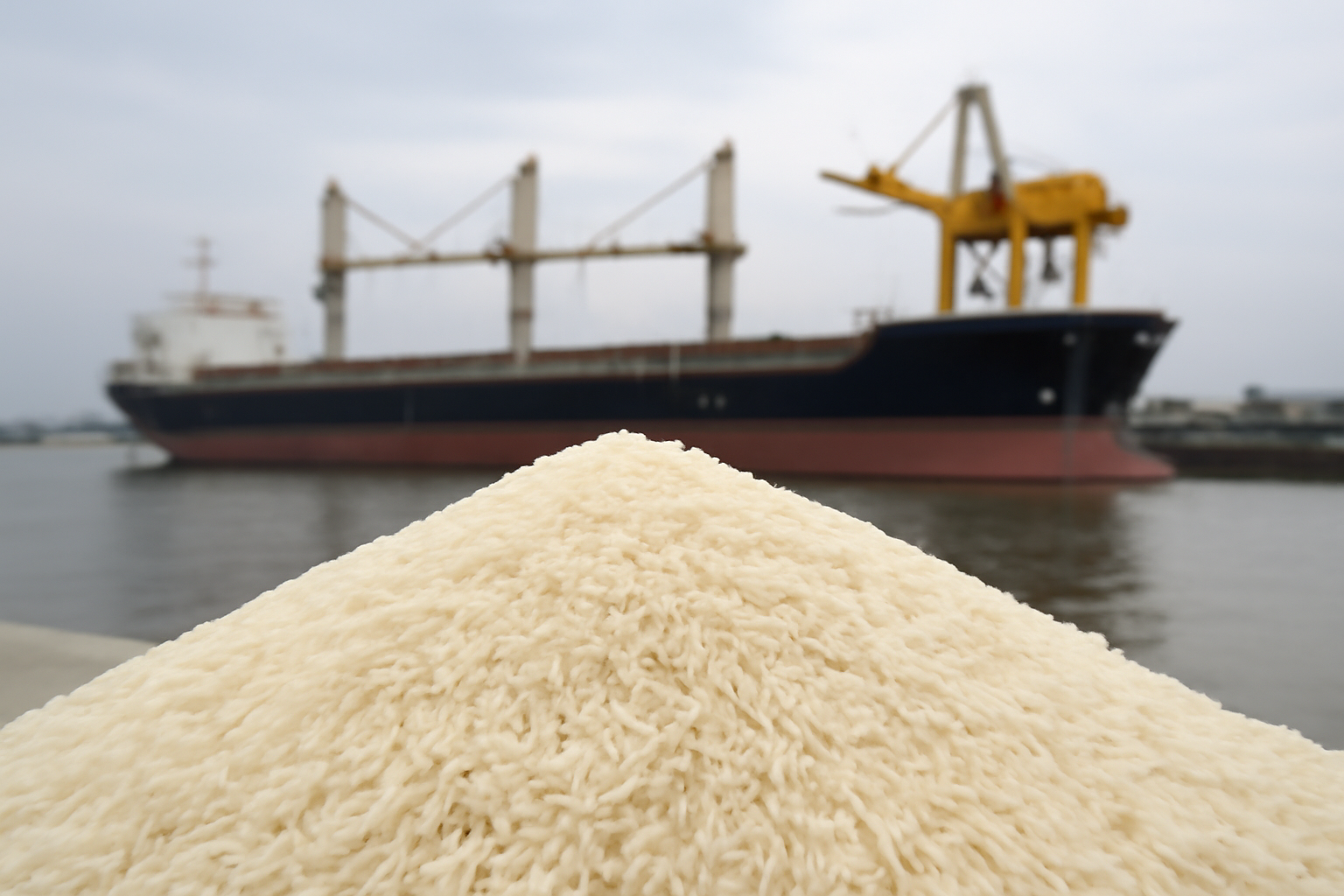
Import requirement rises after crop losses
Bangladesh is forecast to import 1.6 million tonnes of rice in the 2026-27 marketing year, an increase of 14.3% from the previous year, according to the Daily Sun. The projected rise follows flood-related crop losses that are expected to leave the country more dependent on foreign supplies.
The forecast points to a meaningful increase in Bangladesh’s buying requirement, although the available report does not identify specific suppliers, purchasing schedules or rice varieties. The eventual composition of imports will depend on the volumes available from regional and global sellers, the prices offered and the timing of domestic supply needs.
Higher demand could widen the supplier pool
A requirement of 1.6 million tonnes would make Bangladesh a more active buyer during the marketing year. Regional suppliers may have an advantage when freight costs and delivery times are important, while exporters farther away could compete when they have suitable grades or more attractive prices. No individual exporting country is named in the forecast, so the likely allocation of orders remains open.
For traders, the 14.3% increase matters not only because of the additional volume but also because flood damage can make procurement timing less predictable. If buyers need to secure rice quickly, demand may be concentrated in shorter purchasing windows. If imports are spread across the year, the impact on individual tenders and supplier markets could be less pronounced. These are commercial possibilities rather than details confirmed in the report.
Domestic availability will shape execution
The import forecast provides a headline measure of expected demand, but actual purchases will depend on how domestic availability develops during 2026-27. The scale of flood-related losses, the movement of local stocks and the pace at which supply reaches consumers will influence whether the projected volume is purchased fully and when contracts are placed.
Processors and distributors in Bangladesh will watch import availability because additional foreign rice could help cover the production shortfall. Exporters and trading houses will focus on tender conditions, quality specifications and delivery periods when procurement begins. The report provides no price forecast, so it does not establish how much Bangladesh may spend or whether the larger volume will translate into higher import costs.
The central signal is nevertheless clear: Bangladesh’s expected reliance on imported rice is increasing after weather-related damage to its crop. A 14.3% rise to 1.6 million tonnes would create more business for qualified suppliers, but the beneficiaries will be determined by price, availability, specifications and the speed at which they can respond to Bangladeshi demand.