Bangladesh Hilsa Supply Constraints Cloud Traditional Durga Puja Shipments to India
Questions over hilsa availability and export policy are clouding Bangladesh’s traditional seasonal shipments to India for Durga Puja. The trade operates against the legacy of export restrictions introduced by Sheikh Hasina’s government in 2012.
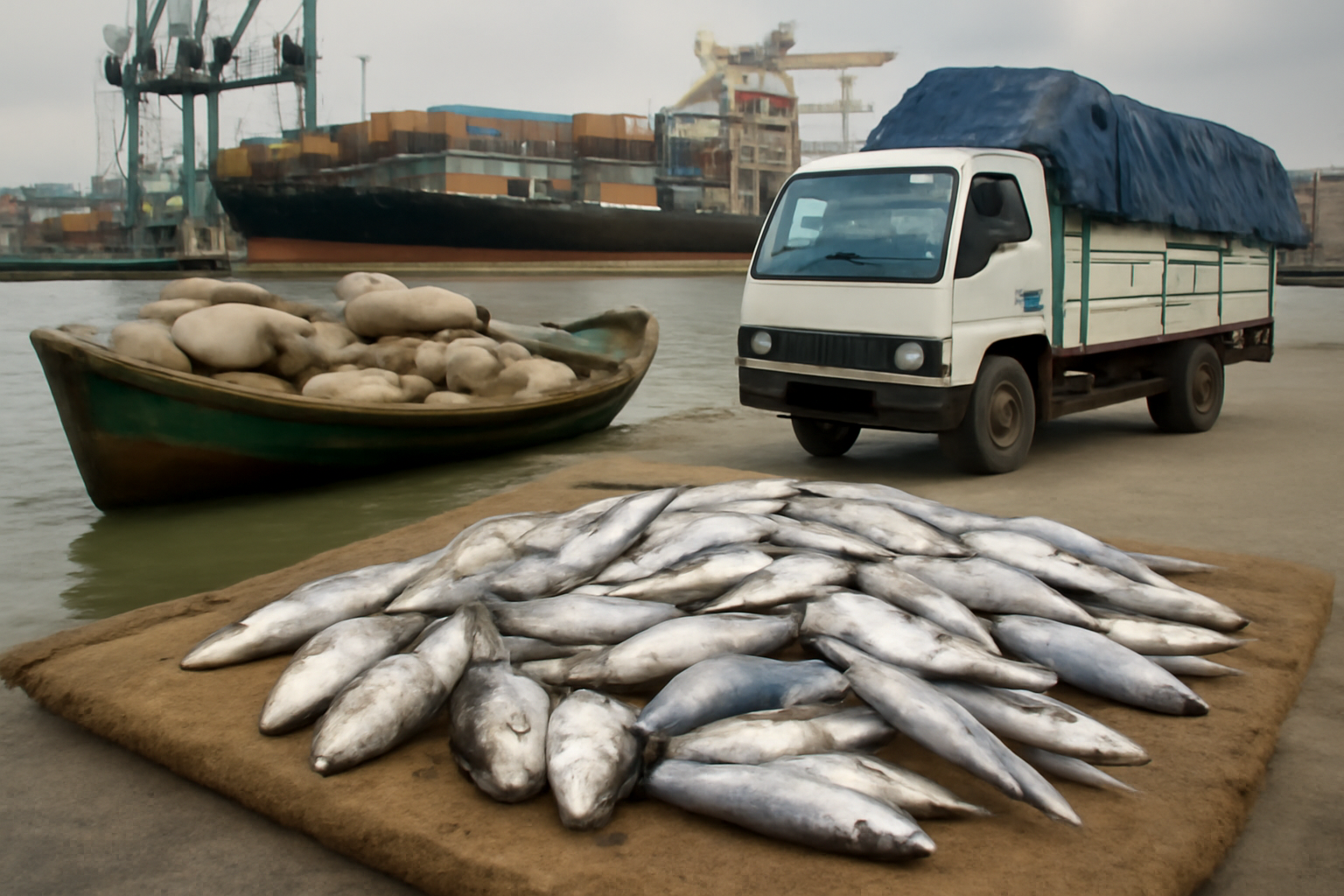
Seasonal supply faces renewed uncertainty
Uncertainty over the availability of hilsa in Bangladesh is clouding the country’s traditional seasonal shipments to India for Durga Puja. Bangladesh has sent the prized fish across the border during the festival for decades, but domestic supply considerations and the country’s restrictive export policy continue to determine whether that trade can proceed and at what scale.
The available source material describes the shipments as a longstanding gesture through which Bangladesh has supplied India with thousands of tonnes of hilsa during the festival period. It does not provide a confirmed allocation, shipment schedule or export volume for the current season. Traders and importers therefore lack a firm number on which to base procurement and distribution plans.
Hilsa occupies a distinctive position in the food markets of Bangladesh and eastern India. Seasonal demand linked to Durga Puja gives any authorized shipment particular commercial significance for fish exporters, border traders, wholesalers and retailers. Limited availability can affect the entire chain, from purchasing in Bangladesh to pricing and stock allocation in Indian markets.
Export restrictions remain central
The policy backdrop dates to 2012, when the government of then-prime minister Sheikh Hasina imposed restrictions on hilsa exports. The source excerpt does not specify the full legal scope of that measure or describe any current exemption. It nevertheless establishes that seasonal trade with India has developed under a restrictive framework rather than as a continuously open commercial flow.
That distinction matters for market participants. Traditional festival shipments cannot be treated as proof that unrestricted exports have resumed. Any movement depends on the terms permitted by the Bangladeshi authorities, while importers must wait for clarity on availability and authorization before committing to volumes or delivery schedules.
The absence of a confirmed figure also limits comparisons with previous Durga Puja consignments. Although the source refers broadly to thousands of tonnes supplied over the years, it gives no annual breakdown, current production estimate, domestic price or proposed quota. Claims about the likely size or value of this season’s trade would therefore go beyond the available evidence.
For Bangladesh, the policy choice involves balancing a culturally prominent export to India with the amount of fish available for its own consumers. For Indian buyers, the immediate issue is operational: without confirmed permission and tonnage, procurement remains uncertain. A formal decision on export conditions and volumes would provide the first reliable signal for producers, processors, traders and retailers preparing for festival demand.