Bangladesh Halves Aromatic Rice Export Quota as Domestic Supply Concerns Take Priority
Bangladesh has halved its aromatic rice export quota, according to bdnews24.com. The government cited rising domestic demand, higher prices and food-security concerns, signaling tighter availability for overseas specialty-rice buyers.
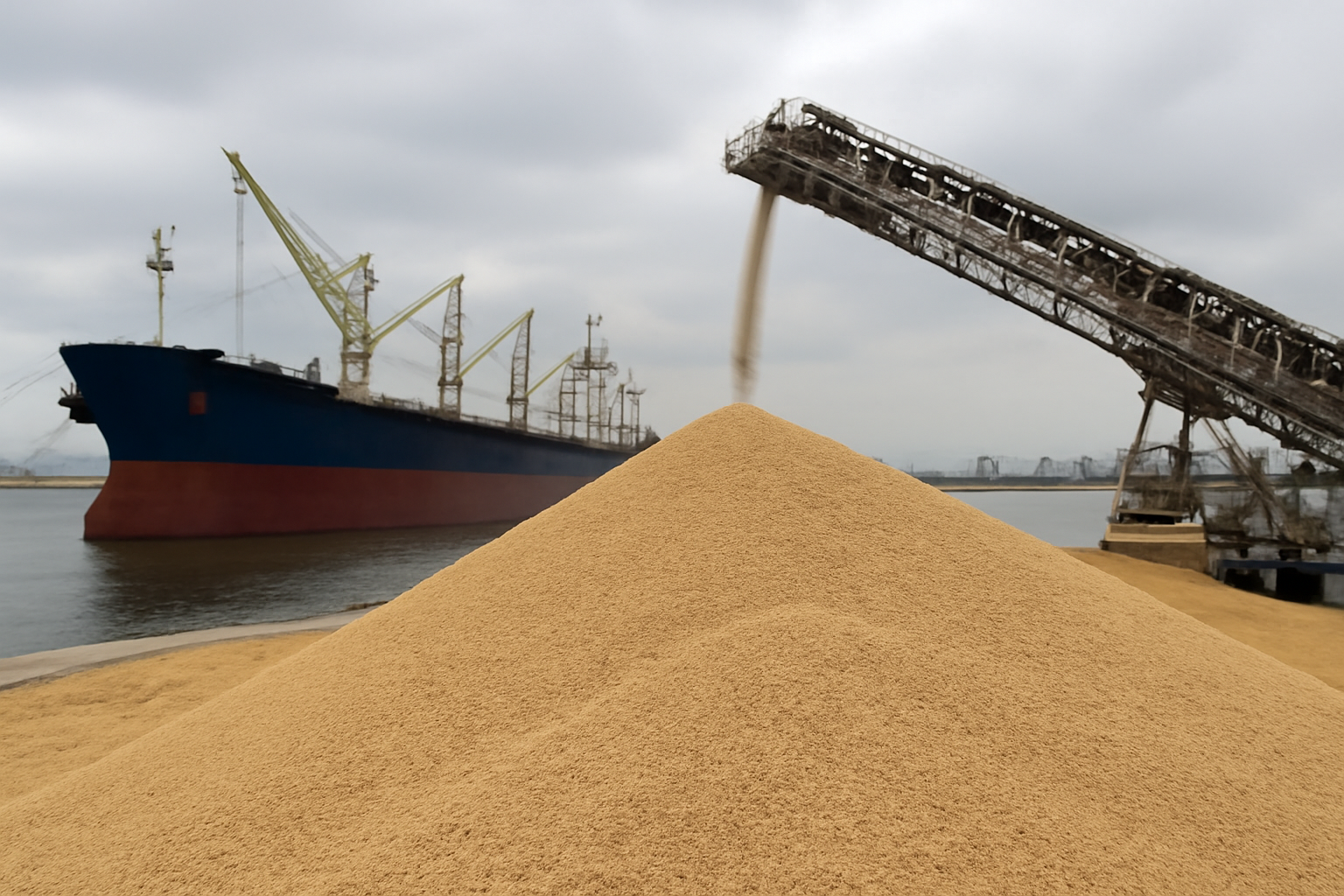
Government tightens controls on aromatic rice
Bangladesh has halved its aromatic rice export quota as the government gives greater priority to domestic demand and food security. According to bdnews24.com, rising demand within the country and higher prices were also cited as reasons for tightening export controls.
The measure affects aromatic rice, a specialty segment of the broader rice market. The available information does not specify the previous or revised quota volume, the implementation date, or the period covered by the allocation. It nevertheless establishes a clear policy direction: exporters will be allowed to sell substantially less aromatic rice abroad under the quota.
For Bangladeshi suppliers, the immediate commercial effect is a smaller volume available for export. Companies holding overseas contracts may need to review their allocations and delivery plans once the authorities publish or communicate the detailed rules. The consequences for individual exporters will depend on how the reduced quota is distributed and whether existing commitments receive different treatment from new sales.
Domestic prices take precedence
The government’s stated reasoning links export availability directly to conditions in the domestic market. Stronger local demand increases competition for aromatic varieties, while rising prices can make exports politically sensitive when authorities are concerned about access to food. Halving the quota is intended to retain more supply inside Bangladesh rather than allowing the full previously permitted volume to leave the country.
The decision does not necessarily indicate a shortage of all rice varieties. The announcement specifically concerns aromatic rice, and the provided information gives no production, stock or harvest figures. Buyers and market analysts should therefore avoid treating the measure as evidence of a wider reduction in Bangladesh’s total rice supply without additional data.
Specialty buyers face tighter availability
Overseas buyers of Bangladeshi aromatic rice now face a more restricted supply channel. Importers that rely on its particular origin, aroma or product positioning may have less flexibility than buyers of standard rice, because replacing a specialty variety can affect consumer expectations and commercial specifications. The actual impact on prices and deliveries will depend on the size of the revised quota, existing inventories and the timing of export approvals, none of which was detailed in the available report.
Traders will watch for implementing instructions covering exporter eligibility, allocation procedures and shipment deadlines. Those details will determine whether the quota cut produces an immediate reduction in loadings or is absorbed gradually as permits are issued. Until then, exporters and importers face greater uncertainty over the volume that can be contracted and shipped.
The policy also demonstrates the priority Bangladesh assigns to domestic availability when local demand, prices and food-security considerations converge. For international specialty-rice buyers, the central issue is not a prohibition on trade but a quota reduced by half. Procurement decisions will therefore depend on confirmed allocations rather than the export volumes permitted under the previous framework.