Balinese salak shipments to Vietnam reach 2–5 tonnes a day amid quarantine concerns
Exporters are sending 2–5 tonnes of salak gula pasir from Bali’s Karangasem and Tabanan areas to Vietnam by air each day. Producers are seeking a formal Indonesia–Vietnam quarantine protocol because the order-based shipments do not currently follow official quarantine procedures.
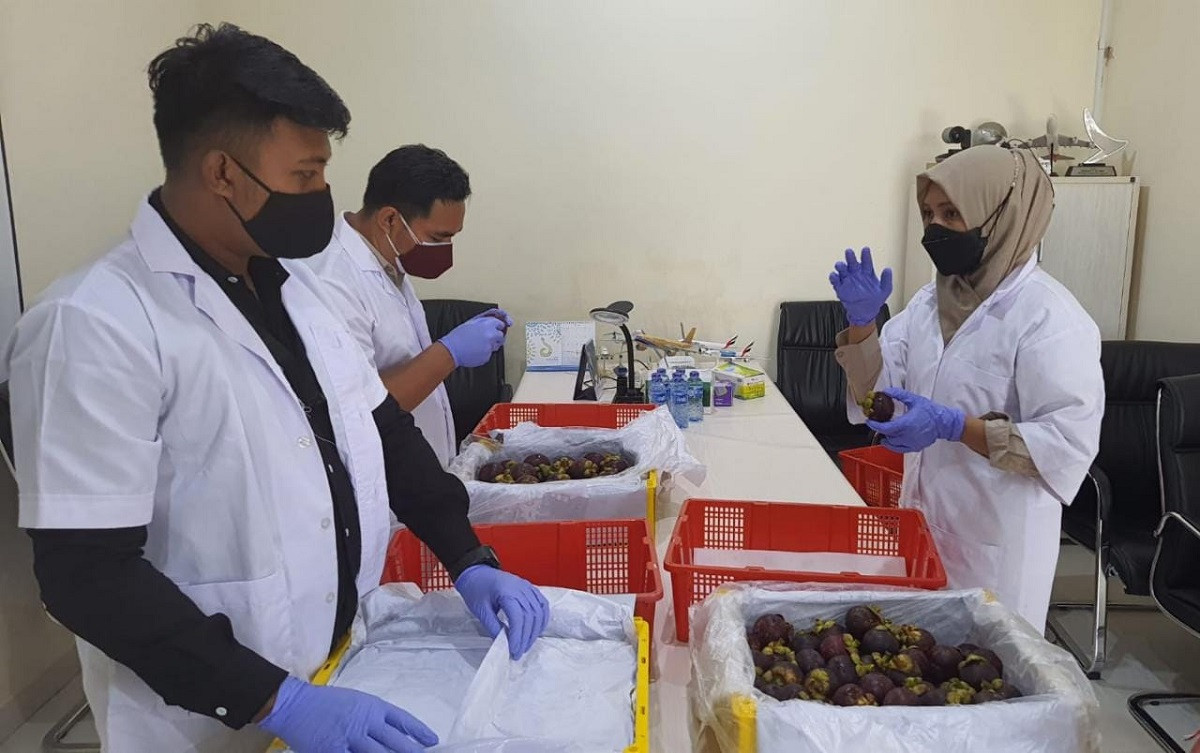
Vietnamese demand supports daily air shipments
Exporters are shipping between 2 and 5 tonnes of salak gula pasir from Bali to Vietnam every day as overseas demand for the fruit continues to rise, JPNN Bali reported. The consignments originate in Karangasem and Tabanan, two producing areas on the Indonesian island, and reach the Vietnamese market by air.
AA Gede Agung Wedhatama, chairman of the Petani Muda Keren farming organization, provided the daily shipment estimate. At that pace, the trade represents a regular outlet for Balinese growers rather than an occasional export consignment. Air freight also indicates that exporters are handling a fresh product whose route to market depends on fast delivery, although the report did not provide information about prices, shipment values, individual buyers or the airports used.
Order-based trade lacks formal quarantine procedures
The growth in shipments has created a regulatory concern for farmers and exporters. According to Wedhatama, the fruit is currently dispatched only when orders are received and does not pass through official quarantine procedures. He described the existing shipments as effectively illegal and said the situation was making exporters anxious.
The issue is therefore not a lack of demand in Vietnam, but the absence of a formal channel that allows suppliers to serve that demand with regulatory certainty. For exporters, continued reliance on an informal order-by-order system creates the risk that consignments could be disrupted. For farmers, any interruption would threaten a market that is absorbing several tonnes of fruit each day.
Growers seek an Indonesia–Vietnam protocol
Wedhatama called on the Indonesian Quarantine Agency, known as Barantin, to help establish formal trade cooperation between the Indonesian and Vietnamese governments. His comments were carried by Antara and reported by JPNN Bali. The growers want a government-to-government protocol that would allow salak shipments to comply with the required procedures and give exporters greater confidence.
A bilateral arrangement would need to turn the current commercial demand into an officially recognized route for fresh fruit. The source material did not specify what phytosanitary conditions Vietnam may require, whether negotiations have begun or when an agreement could be completed. It also did not identify any immediate suspension of the existing shipments.
For market participants, the central question is whether the authorities can formalize trade before regulatory uncertainty restricts it. The reported volume of 2–5 tonnes per day shows that a commercial flow already exists. A recognized quarantine framework would protect access for growers in Karangasem and Tabanan, while Vietnamese importers would gain a clearer and more predictable supply process. Until such a framework is established, the trade remains dependent on individual orders and air shipments conducted outside the official quarantine channel described by the farmers’ representative.