Avian influenza and slow flock recovery drove Spanish egg prices up 22% in 2025
Eggs posted Spain’s largest food price increase in 2025, rising 22%. Andalucía Información linked the increase primarily to highly pathogenic avian influenza, which reduced laying flocks and created months-long supply gaps.
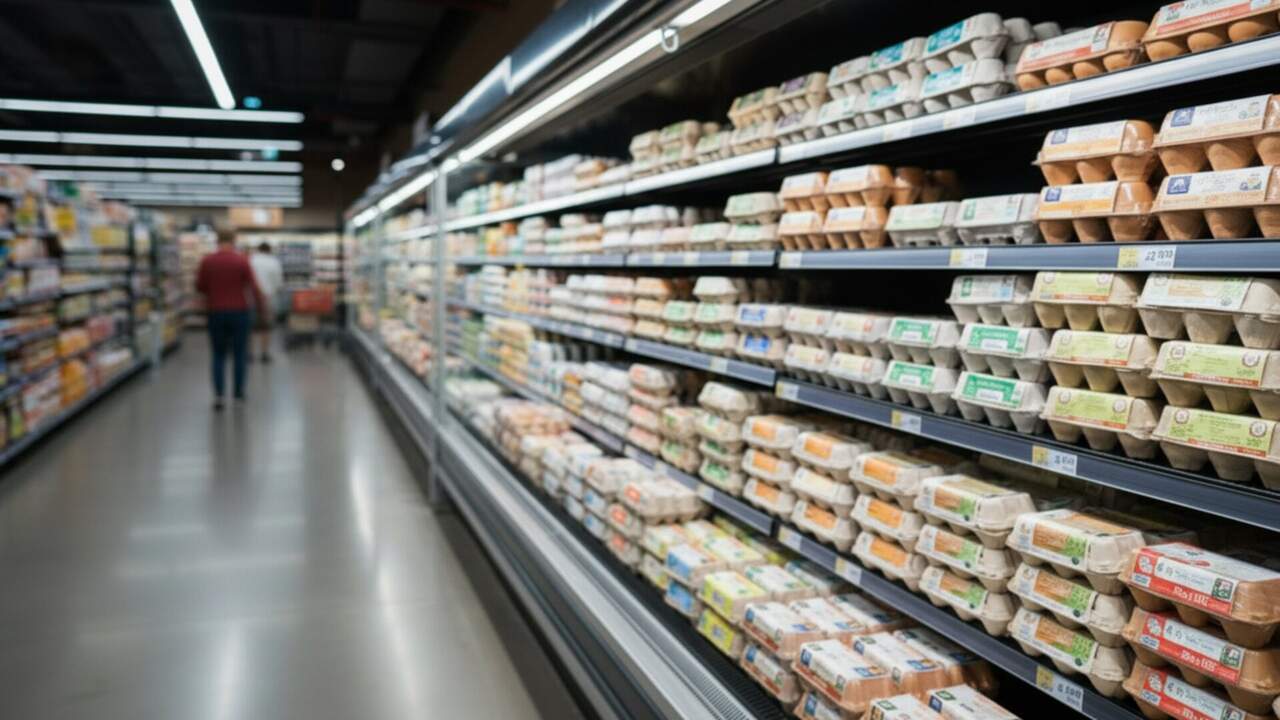
Eggs lead Spain’s food price increases
Egg prices in Spain increased 22% in 2025, making eggs the food product with the largest price rise during the year, according to Andalucía Información. The increase has been described as “eggflation” and comes amid broader pressure on household grocery budgets. Milk and bread are among the other everyday foods that have become substantially more expensive in recent years, while many wages have remained unchanged.
Eggs have an especially visible effect on consumers’ perception of inflation because they are bought frequently and form part of the basic food basket. A sharp increase is therefore noticed quickly at supermarket checkouts. Andalucía Información reports that consumers have responded by monitoring prices more closely and searching for promotions to save money on routine purchases.
Avian influenza cuts physical supply
The principal factor behind the increase is the global spread of highly pathogenic avian influenza. The disease led to the culling of millions of laying hens in Europe and the Americas, directly reducing egg production. With fewer birds available for laying, less product entered normal distribution channels, leaving the market with limited capacity to meet demand without higher prices.
The supply shock cannot be reversed immediately. Farms need months to replace culled birds and restore output, producing gaps in availability even after the initial disease event has passed. This delay helps explain why price pressure can persist instead of appearing as a short-lived market spike. Producers must rebuild their flocks before the volume of eggs reaching packers, retailers and food-service buyers can return to earlier levels.
Multiple pressures leave little flexibility
Andalucía Información also identifies geopolitical and regulatory pressures as underlying contributors to the market imbalance. The source does not quantify their individual effects, but presents them as part of a combination of constraints that has narrowed the sector’s room to respond. Avian influenza acted as the immediate accelerator by forcing large-scale culls, cutting output and extending the disruption through the time required for flock replacement.
For producers, the central issue is biological capacity rather than a temporary disruption in retail logistics. Lost laying hens represent production that remains unavailable until replacement birds mature. Packers and retailers consequently face a smaller pool of eggs, while buyers compete for constrained volumes. The 22% increase reflects this physical shortage alongside the wider pressures affecting the production chain.
Consumers adjust purchasing behavior
The market impact extends beyond farms and distributors. As egg prices rise faster than those of other foods, households become more sensitive to promotions and may change where or how they shop. The effect is particularly significant because eggs are a staple rather than an occasional purchase. Consumers encounter the higher price repeatedly, reinforcing the perception that the entire grocery basket is becoming less affordable.
Near-term price relief depends on the restoration of laying capacity and the absence of further disease-related losses. Because flock rebuilding takes months, supply cannot respond rapidly to elevated prices. Until farms replenish their birds and production volumes recover, Spain’s egg market remains exposed to tight availability, continued competition among buyers and further pressure on household food spending.