Australian High Court blocks Mount Pleasant coal mine extension in climate ruling
Australia’s High Court upheld a decision blocking MACH Energy’s proposed extension of the Mount Pleasant coal mine in New South Wales. The judgment found that planning authorities failed to properly consider conditions addressing scope 3 emissions, which represented 98% of the project’s greenhouse gas footprint.
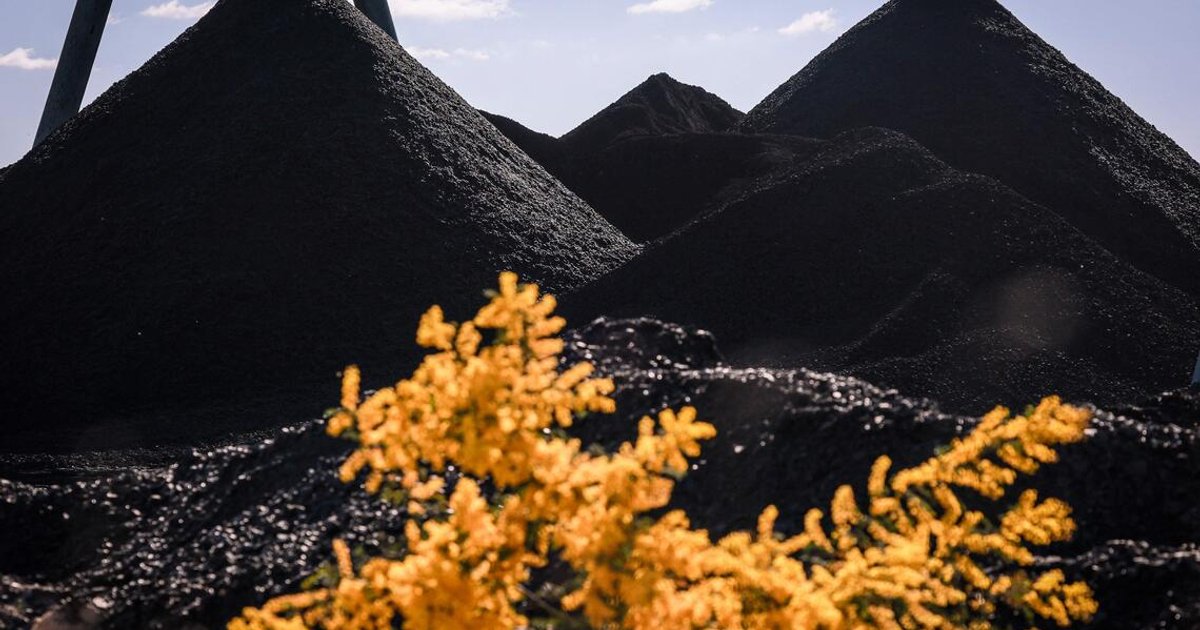
High Court rejects mine extension appeal
Australia’s High Court has upheld a decision blocking MACH Energy’s proposed extension of the Mount Pleasant coal mine in New South Wales, in the first climate change case decided by the country’s highest court. The company sought to extend operations from December 2026 until 2048, double coal production and extract an additional 406 million tonnes. The court dismissed MACH Energy’s appeal with costs. The company acknowledged the judgment but said it was disappointed.
The ruling focused on how the New South Wales Independent Planning Commission assessed the project’s greenhouse gas footprint. Justice James Edelman said scope 3 emissions accounted for 98% of the mine’s emissions, yet the commission did not consider conditions addressing them because most would arise overseas after the exported coal was used. The court found that, by concentrating on the remaining 2%, the commission failed to consider whether conditions should be imposed to minimise emissions to the greatest practicable extent.
Scope 3 emissions enter the permitting equation
Australian rules already cover projects with direct scope 1 and scope 2 emissions above 100,000 tonnes of carbon dioxide equivalent. Such projects must reduce emissions by 4.9% annually or use offsets or carbon credits. Emissions produced overseas through the consumption of exported fossil fuels are not covered by those requirements. The judgment does not itself create a direct emissions limit for overseas customers, but it establishes that planning authorities cannot disregard potential conditions merely because most of a project’s emissions occur outside Australia.
That distinction matters for producers seeking mine-life extensions and capacity increases. Future applications in New South Wales may face closer examination of downstream emissions, possible mitigation conditions and more detailed reasoning from approval bodies. For developers, the decision adds another legal and scheduling risk at the permitting stage. For coal buyers and traders, it could affect the timing and availability of incremental Australian supply where new output depends on an extension or expansion approval.
Resources sector warns of wider investment risk
Industry representatives said the implications could extend beyond coal. Aaron Morey, chief executive of Western Australia’s Chamber of Minerals and Energy, said the decision created fresh uncertainty for the state’s liquefied natural gas industry and could push investment toward competing jurisdictions with lower environmental and safety standards. Woodside Energy’s Browse gas project is already facing a climate-related challenge brought by the Australian Conservation Foundation. UN special rapporteur Astrid Puentes Riano is due to participate in that case as a friend of the court.
Minerals Council of Australia chief executive Tania Constable said the judgment sent a negative signal to Australia’s trade and investment partners about sovereign risk. The commercial stakes are substantial: Reuters cited government figures showing thermal coal shipments of 209 million tonnes, worth A$31 billion, in 2026-2027, while liquefied natural gas exports were valued at A$70 billion. The ruling does not halt those industries, but it may increase the importance of scope 3 analysis in project design, approval strategies and litigation. Developers will now need to account more explicitly for emissions generated when Australian fossil fuels are consumed abroad.