Australia Questions India’s Sugarcane Support at WTO
Australia has asked India to clarify its domestic sugarcane and sugar policies at the WTO. It alleges that Indian support exceeded the permitted threshold during the seven years from 2018-19 to 2024-25.
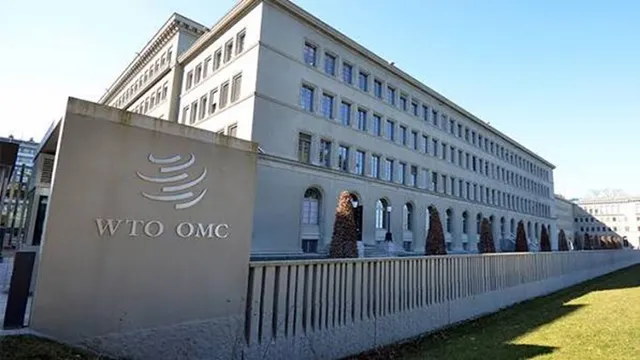
Australia seeks clarification at the WTO
Australia has raised questions at the World Trade Organization over India’s domestic sugarcane and sugar policies, asking New Delhi to clarify the support provided to cane growers. The intervention places India’s administered pricing system under renewed scrutiny at the multilateral trade body.
According to PTI, as reported by Jagran, Australia claims that India provided sugarcane support substantially above the limit established under WTO rules during the seven years from the 2018-19 season through 2024-25. The available source material does not state Australia’s calculation of the support or quantify the amount by which it allegedly exceeded the threshold.
WTO limit and India’s pricing system
The WTO Agreement on Agriculture limits this category of support to 10% of the total value of sugarcane production, Jagran reported. Australia’s request therefore focuses on whether India’s pricing policies should be counted as product-specific support and, if so, how their value compares with that ceiling.
India’s central government sets a Fair and Remunerative Price, or FRP, for sugarcane in every sugar season. The FRP effectively serves as the minimum price that sugar mills must pay farmers for cane. This links farm income support directly to the procurement costs borne by processors rather than presenting it solely as a payment from the central government.
Australia also says cane growers receive premiums intended to encourage higher production capacity. In addition, farmers in some Indian states are paid a State Advised Price, or SAP, set by state governments and collected from sugar mills. The coexistence of the FRP, state-level prices and premiums is central to the question of how India’s total support should be measured under WTO disciplines.
Implications for producers and competition
The issue matters to Indian farmers because administered cane prices establish a revenue floor, while mills must absorb the corresponding raw-material cost. Any WTO examination of the system will consequently concern both agricultural support and the economics of sugar processing. The source material does not indicate that India has agreed to change either the FRP or SAP arrangements.
For Australia, the concern is also commercial. Australia and India are both sugar-producing countries, and policies that support cane production can affect mill supply, production incentives and competitive conditions in the wider sugar market. However, the material provided contains no figures for sugar output, exports, prices or bilateral trade, so the immediate impact on global supply and trade flows cannot yet be quantified.
At this stage, Australia has requested clarification rather than securing a WTO finding against India. The distinction is important: the allegation identifies a potential compliance issue, but the supplied reports do not describe a formal ruling, retaliation or an agreed remedy. The next substantive question is whether India’s explanation of its pricing mechanisms and support calculations addresses Australia’s claim that the 10% threshold was exceeded throughout 2018-19 to 2024-25.