Australia’s power generation costs forecast to rise as coal plants retire
CSIRO and AEMO modelling projects Australia’s electricity generation costs will rise to an average of $125 per megawatt hour by 2050 as ageing coal plants are replaced. Renewables are expected to dominate the grid, but higher equipment costs and a slower-than-required project pipeline are complicating the transition.
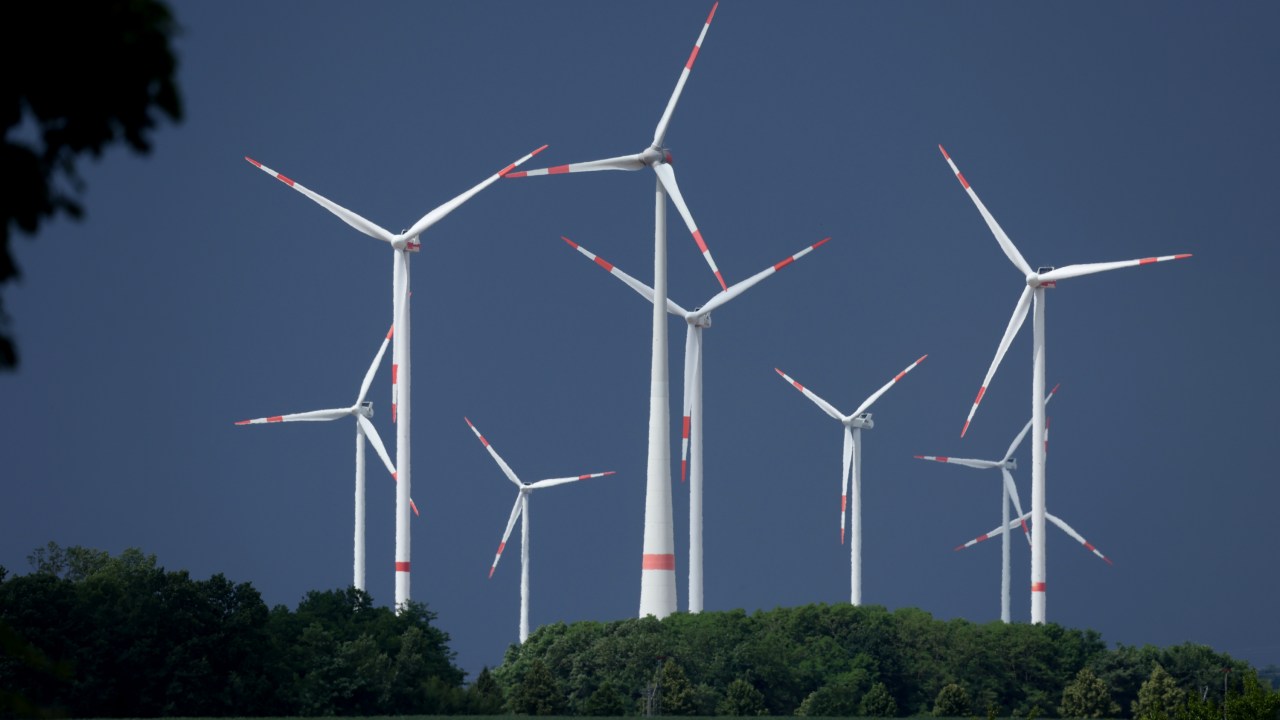
Coal retirements change the cost curve
Australia’s electricity generation costs are forecast to rise sharply after 2030 as ageing coal-fired power stations leave the system, according to modelling by the Commonwealth Scientific and Industrial Research Organisation, or CSIRO, and the Australian Energy Market Operator, AEMO. The report projects costs of between $80 and $90 per megawatt hour during this decade, followed by a gradual increase to an average of $125 per megawatt hour by 2050 under a net-zero pathway.
The modelling puts generation costs at around $104 per megawatt hour in 2025. Costs are expected to ease in the next few years as batteries, wind power and solar power become cheaper. That trend later reverses as existing coal generators retire and must be replaced with renewable projects, storage and technologies capable of supplying electricity when wind and solar output is insufficient.
Replacement capacity requires storage and gas
CSIRO chief energy economist Paul Graham said existing coal capacity was keeping generation costs below the full cost of replacing it, but could not operate indefinitely. By 2050, every major new generation technology covered by the modelling is expected to cost more than $100 per megawatt hour as older infrastructure reaches the end of its operating life.
Large-scale solar and onshore wind are expected to provide most of Australia’s electricity by mid-century, supported by batteries and gas generation for reliability. Gas remains part of the projected system despite higher construction expenses. The cost of building gas-fired power stations increased 32 per cent in the 2025-26 financial year, largely because global demand for gas turbines was running ahead of manufacturing capacity.
Global equipment demand adds pressure
CSIRO linked much of the turbine pressure to rapid growth in artificial intelligence and cloud-computing infrastructure in the United States. The same reporting showed that black-coal generation costs rose 13 per cent during 2025-26, while large-scale solar costs increased nine per cent after two consecutive years of declines. Onshore wind was among the few technologies to become cheaper, with costs falling five per cent over the same period.
The cost outlook also coincides with a potential shortfall in new renewable capacity. AEMO’s 20-year blueprint found that projects delivered at roughly the current pace would supply about 75 per cent of Australian electricity generation by 2030, below the federal government’s target of 82 per cent. Even if every wind and solar project currently advancing through the connection process is completed, AEMO said the industry would provide only about three-quarters of the additional generation capacity required. For energy-intensive importers, exporters and manufacturers, the modelling points to greater exposure to electricity costs after 2030, while suppliers of turbines, batteries and renewable equipment face sustained demand from the replacement program.