Australia finalises first carcase specifications for rangeland goats
An Australian science team has developed the first benchmarking specifications for rangeland goat carcases. The classification grid is intended to improve consistency in cuts and eating quality while giving producers and processors a clearer basis for commercial pricing.
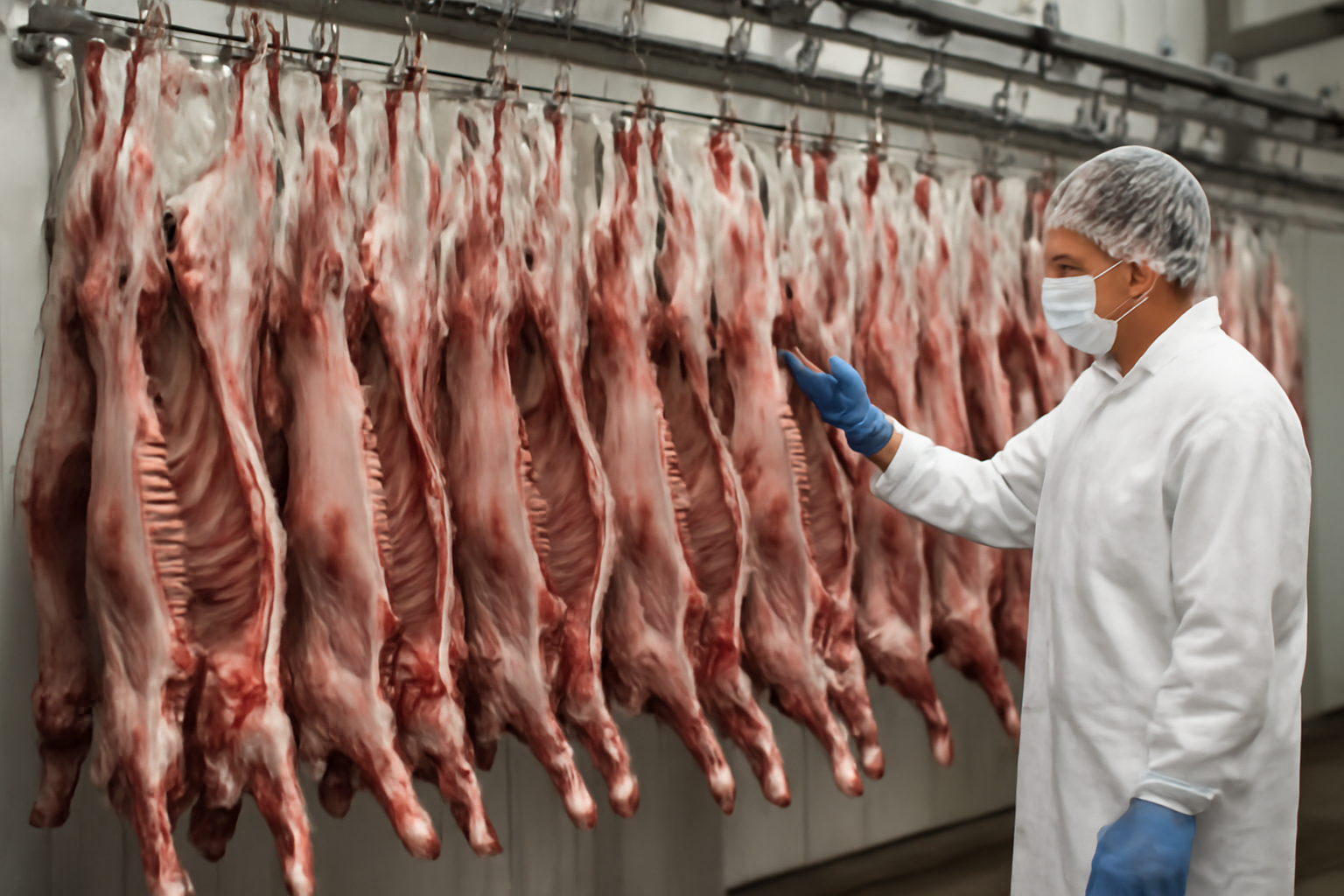
A first benchmark for rangeland goat meat
An Australian science team has finalised the country’s first benchmarking specifications for rangeland goat carcases, according to Sheep Central. The work establishes a classification grid for a product that has historically lacked a common framework for describing carcase quality and commercial suitability.
The grid could help processors sort carcases more consistently and produce cuts with more predictable characteristics. Sheep Central reported that the specifications could support both greater uniformity and better eating quality. The available source material does not disclose the grid’s individual classes, measurement thresholds or implementation timetable.
A basis for clearer price signals
A shared classification system can connect physical carcase characteristics with purchasing specifications. For producers, that could mean clearer information about the animals processors want and the attributes that may attract different prices. For processors, more consistent categories could make procurement, cutting plans and customer specifications easier to manage.
The commercial effect will depend on whether processors and buyers adopt the grid and incorporate it into payment schedules. A technical benchmark does not automatically create a premium. It can, however, provide the common language needed to distinguish carcases rather than treating rangeland goat meat as a largely uniform commodity.
Consistency remains the central test
Rangeland production naturally presents challenges for standardisation because animals can differ in size, condition and production history. A classification grid gives the supply chain a way to separate those differences systematically. This may help processors assemble more uniform product lines and give foodservice or retail customers greater confidence in cut size and performance.
Eating quality will be an important measure of the system’s value. More consistent classification can help direct suitable carcases and cuts toward appropriate markets and preparation methods, but the result will still depend on handling, processing and cooking. The specifications therefore represent a starting point for coordinated quality management rather than a guarantee at the consumer level.
The new framework may also improve feedback between processors and suppliers. If carcase results are communicated clearly, producers can use them when making decisions about animal selection, management and sale timing. Investors and market analysts will be watching for processor participation, the publication of measurable criteria and evidence that the grid produces stable price differences between categories.
Australia’s rangeland goat sector now has its first formal benchmark for discussing carcase quality. Its practical importance will be determined on processing floors and purchasing grids: by how consistently it can be applied, whether customers recognise the categories and whether better-performing carcases receive a commercial reward.