Coal shortfall sends Australian wholesale power price spiking to $19,000
Wholesale electricity prices in Australia jumped to $19,000 on Wednesday night as an unusually windless evening demand peak met unexpectedly low output from Victoria's two biggest coal generators. The Australian Financial Review reported that energy experts were left puzzled by the size of the move, which underlines how far the grid still leans on coal.
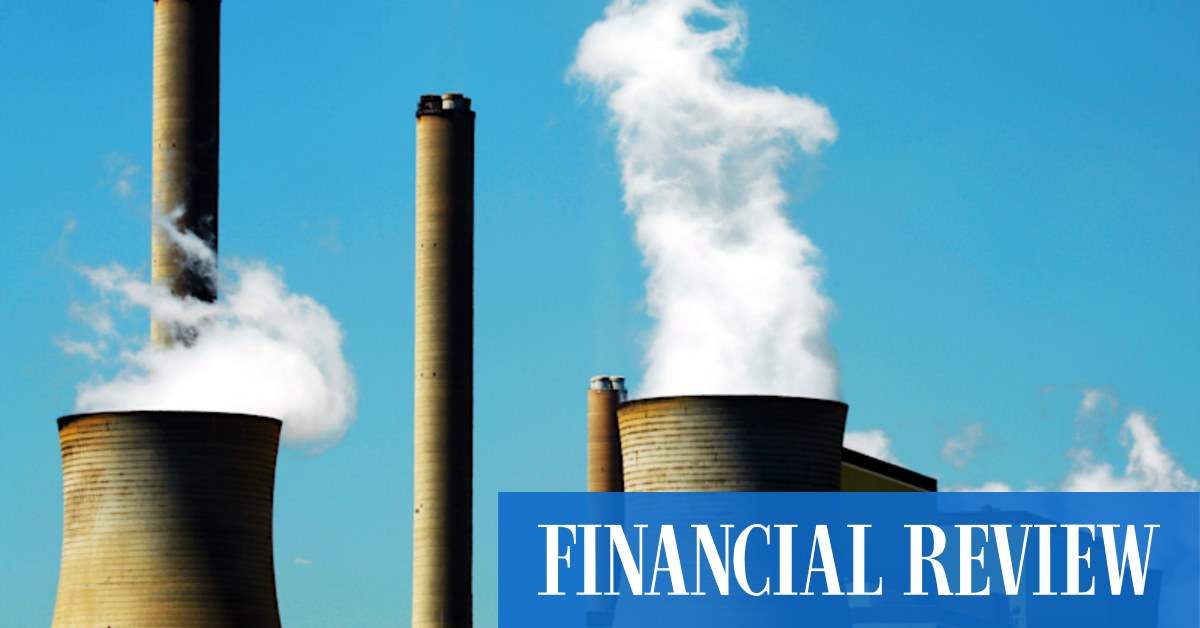
Australian wholesale power price spikes to $19,000 in windless demand peak
Wholesale electricity prices in Australia jumped to $19,000 on Wednesday night, according to The Australian Financial Review, after an unusually windless evening demand peak collided with weaker-than-expected output from coal generation. The publication reported that energy experts were left puzzled by the scale of the move.
What drove the spike
The Australian Financial Review said the surge came as the wind dropped away during the evening demand peak, the window when household and business consumption typically climbs. With little wind generation available and solar output falling as the sun set, the grid leaned on coal-fired plants to cover the gap.
The trigger, according to the report, was unexpectedly low output from Victoria's two biggest coal generators. Their reduced availability during a high-demand, low-renewables window tightened supply sharply and pushed the wholesale price to $19,000.
Why coal still sets the price
The episode underlines a tension at the centre of Australia's energy transition. The Australian Financial Review noted that while the country's renewable energy build-out is premised on the eventual retirement of coal power, the system still depends on it. When the wind stops blowing and the sun stops shining, coal plants are the generators that keep running.
That dependence means an unplanned drop in coal availability, even at a single state's largest plants, can move prices dramatically. On Wednesday night the shortfall in Victoria was enough to lift the wholesale price to $19,000, a level that reflects acute scarcity rather than routine trading.
What it means for the grid
For market participants, the spike is a reminder that reliability during the transition still hinges on the availability of the ageing coal fleet at moments of peak stress. Windless evenings strip a large share of renewable supply from the system at exactly the time demand is highest, leaving coal and other dispatchable generation to balance it.
The consequences fall on energy-intensive users and electricity retailers, who are most exposed when scarcity pricing takes hold. The Australian Financial Review reported that the cause of the coal generators' low output was not immediately clear, with experts still assessing what happened. Until the build-out of renewables and storage is large enough to cover these windless peaks, similar price events remain possible whenever coal capacity unexpectedly falls short during high demand.