AEMO: 40 GW Pipeline Keeps Australian Grid Reliable as 15 GW of Coal and Gas Retire
The Australian Energy Market Operator says roughly 40 GW of committed and anticipated generation and storage is now in the pipeline, against about 15 GW of coal and gas retirements over the next decade. Its 2026 Electricity Statement of Opportunities finds no reliability gaps before 2030, but flags data centre demand and post-2030 investment as the main risks.
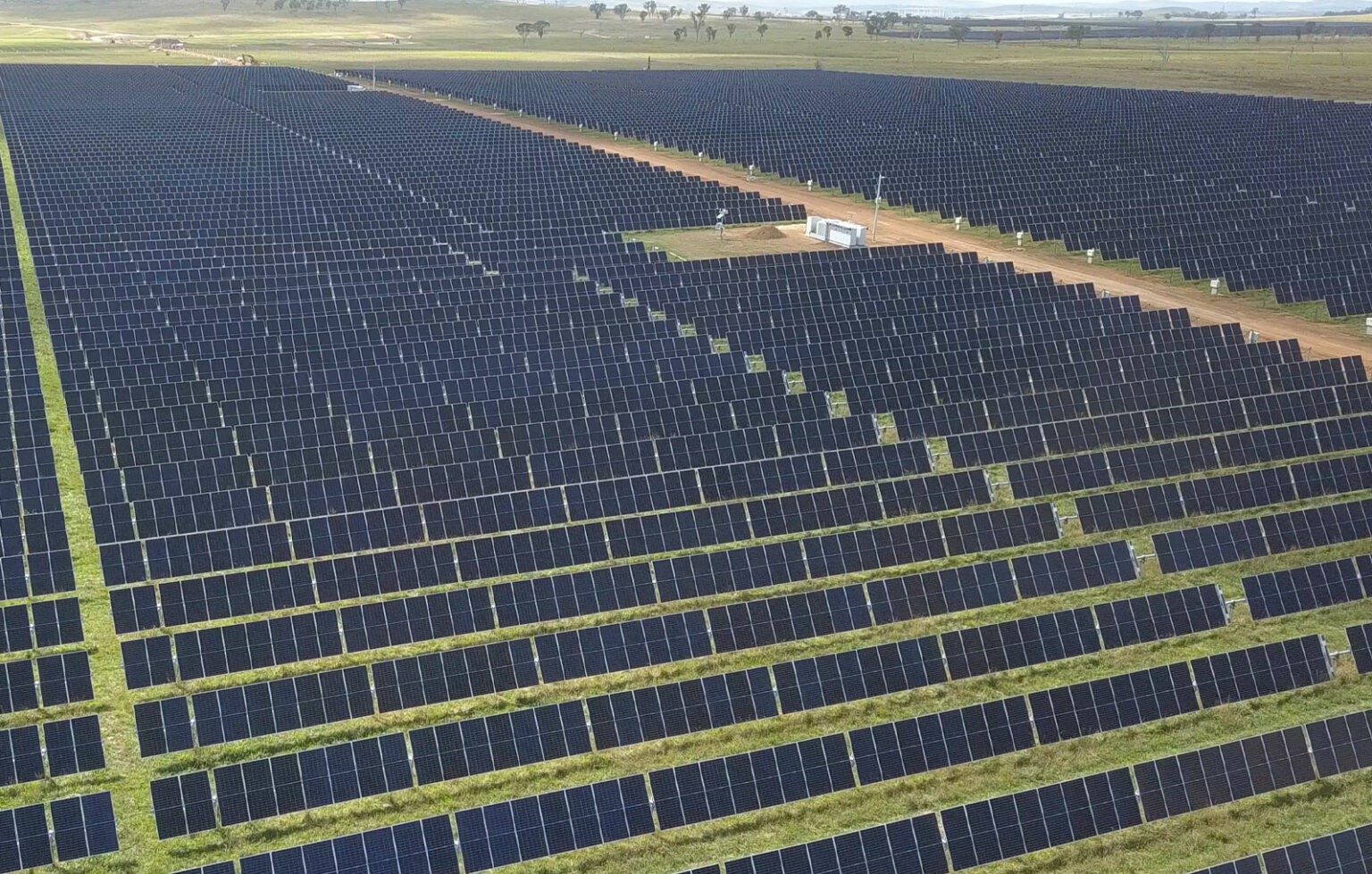
Australia has assembled roughly 40 GW of committed and anticipated grid-scale generation and storage, enough to hold electricity reliability through the end of the decade as ageing coal plants close, according to the Australian Energy Market Operator (AEMO). The finding comes from the operator's 2026 Electricity Statement of Opportunities (ESOO), the annual 10-year outlook for electricity supply and demand across Australia's eastern and southeastern states and territories, as reported by pv magazine.
AEMO said the pipeline of generation and storage needed to maintain reliability in the National Electricity Market (NEM) has “strengthened materially” since the previous edition, backed by a rollout of new renewable generation, batteries and transmission, plus growing household investment in rooftop solar and battery storage. Chief Executive Officer Daniel Westerman said the reliability outlook has improved relative to last year's report, with no forecast reliability gaps identified before 2030.
Pipeline against retirements
About 24 GW of newly committed and anticipated generation and storage projects is now progressing through the development pipeline. That lifts total committed and anticipated capacity to approximately 40 GW — more than half of the NEM's current 77 GW of installed capacity. A further 33 GW of publicly announced generation and storage projects has been awarded government investment support, sitting outside the committed and anticipated categories.
Against that build-out, about 15 GW of coal and gas generation is scheduled to retire over the same ten-year window. Delivery has accelerated sharply: approximately 9.1 GW of new capacity reached full output in the year since the 2025 ESOO, a new annual record and more than double the connection rate of the year before.
Households add storage faster than panels
Utility-scale projects are being complemented by distributed energy resources. More than 2.4 GW / 7.4 GWh of household batteries have been added to the grid since 1 July 2025, alongside continued growth in rooftop solar. AEMO said that over the past year, for every 1 MW of rooftop PV installed, 2.5 MW / 7.7 MWh of storage was installed in households across the NEM.
That storage build matters for the evening peak, when rooftop solar output falls away and demand from homes rises — the window that has historically defined reliability risk in the NEM.
Data centres move into the demand forecast
Electricity consumption and peak demand are forecast to increase by more than 40% over the next decade as homes, businesses and industry electrify and data centre load grows. A major focus of the 2026 ESOO is that data centre demand: the number of proposed data centres seeking to connect to the NEM has more than doubled in the past year, from 97 to 225.
Data centre electricity consumption in the NEM is forecast to rise from approximately 5 TWh today to 34 TWh in 2035-36, taking the segment from about 3% to approximately 13% of electricity supplied through the grid.
Delivery risk and the post-2030 question
Westerman framed the outcome as conditional rather than settled. “The outlook is encouraging, supported by record levels of new generation and storage, and a strong pipeline of projects expected over the next decade,” he said. “There is a clear pathway to maintain reliable electricity supply, provided new generation, storage, transmission and consumer energy resources continue to be delivered on time as electricity demand grows and older generation retires.”
He added that “delivering this new infrastructure, on time and in full, will be critical,” and that further investment will be required to sustain the momentum. “Beyond 2030, the next wave of investment will be critical to maintaining reliability,” he said.
Australian Energy Minister Chris Bowen said more work remains but that the report shows the country's energy transformation is gathering pace. “In many ways, this is the best ESOO we've had in many years,” he said. “It shows our grid is increasingly reliable. It shows that the investment needed to ensure grid reliability across the National Electricity Market is coming through.” Bowen added that Australia needs to “keep our foot on the accelerator” to replace ageing coal-fired power stations, so that emissions fall and grid reliability continues to improve.
For developers, financiers and equipment suppliers, the ESOO sets out the operative constraint: the volume of announced capacity is no longer the binding issue, but connection timing, transmission delivery and the commitment of a post-2030 investment wave are.