Asturias Expects 2026 Cider Apple Crop to Cover Protected-Origin Mill Demand
Asturias expects its 2026 cider apple harvest to be slightly larger than the crop two years ago and sufficient for mills producing protected-origin cider. Codling moth damage and premature fruit drop have increased after drought and high early-summer temperatures, while rapidly growing cider consumption is intensifying pressure to coordinate supply and demand.
Harvest forecast points to adequate supply
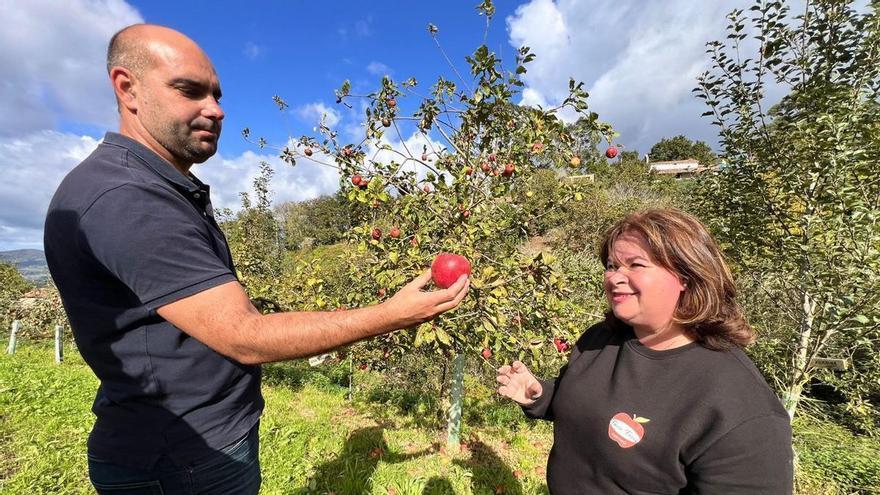
Asturias is expected to harvest enough cider apples in 2026 to meet demand from mills producing under the Sidra de Asturias Protected Designation of Origin, despite greater damage from codling moth and drought-related fruit losses.
The crop is likely to be slightly larger than that recorded two years ago, the most recent season negatively affected by alternate bearing, according to estimates from the DOP Sidra de Asturias regulatory council reported by La Nueva España. Apple growers and cider producers reviewed orchard conditions and the market outlook during a meeting of the DOP apple-market coordination group.
Industry participants described the campaign as broadly normal at this stage. The assessment nevertheless remains provisional because the development and maturity of early apple varieties will help determine the timing and shape of the harvest later in September.
Drought increases pest pressure and fruit drop
A rainfall deficit, combined with high temperatures in June and July, has encouraged a higher incidence of codling moth in Asturian orchards, according to La Nueva España. The pest damages apples internally and has contributed to premature fruit drop at a level above what growers usually experience.
With similar weather patterns appearing more frequently in recent years, sector representatives are recommending that growers account for the pest risk in future campaigns. They said codling moth damage could be controlled with a relatively simple treatment, although the regulatory council did not provide details about the product, its cost or the area affected.
Fruit maturity is another immediate concern, particularly for early varieties. DOP officials have advised growers to conduct Lugol iodine tests to assess the maturity of each variety and to alert cider mills so they can monitor crop development ahead of the final week of September. The first varieties are expected to begin setting the operational pace of the harvest around that time.
Cider growth raises demand for Asturian fruit
The adequacy of the apple supply matters increasingly as sales of cider carrying the protected-origin label expand. Data supplied by the regulatory council show that consumption rose from 1.6 million bottles to 5 million bottles over the past decade. Production under the designation requires sufficient Asturian raw material, making orchard output and mill procurement more closely linked.
The increase in bottled consumption supports demand for locally grown cider apples, but the sector also faces the opposite risk in high-yield years: mills may be unable to absorb all available fruit. This tension has made coordination between producers and processors a longer-term priority, beyond the immediate question of whether the 2026 crop will cover mill requirements.
Coordination group targets structural weaknesses
The regulatory council approved the creation of its apple-market coordination group two years ago to examine industry problems and develop strategies over a 20-year horizon. Several meetings were held during 2024, 2025 and 2026, bringing together growers, cider mills, nursery operators, technicians from the regional agricultural research service Serida, public authorities and other specialist organizations.
The resulting diagnosis identified low orchard profitability, plantation abandonment, weak generational renewal, rising input costs and uncertainty about whether bumper crops can be fully marketed. These issues could constrain future supplies even as demand for protected-origin cider grows.
The group has set six broad objectives: improve industry statistics, raise orchard profitability and productivity, strengthen the sector’s image, make new planting more attractive through financial support, encourage research, and improve coordination between crop volumes and market demand. For the current campaign, however, the central expectation remains that available fruit will satisfy the needs of mills operating under the DOP label.