Astrakhan frozen vegetable plant lifts Central Asia exports to 107 tonnes
Astrakhan-based Bild has increased frozen vegetable exports from a 700-kilogram trial shipment in 2025 to more than 107 tonnes delivered to Kazakhstan since the start of this year. The processor is preparing to produce 1,000-1,500 tonnes a month during the peak agricultural season.
Exports move beyond the trial stage
Astrakhan-based vegetable processor Bild has increased its frozen produce exports to Central Asia from a small trial consignment to commercial-scale deliveries. Pravda.ru reported that the company shipped an initial 700-kilogram batch of frozen French fries to Kazakhstan and Uzbekistan in 2025. Since the beginning of this year, deliveries to cities in Kazakhstan alone have exceeded 107 tonnes.
The first products were sold in Atyrau, Astana, Shymkent and Tashkent under the Bild brand, with trading intermediaries handling distribution. The expansion in Kazakhstan indicates that the company has moved beyond testing demand, although the available figures do not specify shipment volumes by city or customer. Interest from buyers is also spreading geographically, according to Pravda.ru.
Bild continues to supply other Russian regions, but export markets have become the main direction for growth. Kazakhstan is currently the documented destination for larger shipments, while Uzbekistan was included in the original trial. This creates an emerging route for processed vegetables from Russia’s Astrakhan region into Central Asian urban markets.
Peak output could reach 1,500 tonnes a month
The plant is preparing for the main agricultural season, when monthly production is expected to range from 1,000 to 1,500 tonnes of finished goods. At the upper end, one month of peak output would be almost 14 times the more than 107 tonnes shipped to Kazakhstan since the start of this year. The comparison highlights the scale of the sales and logistics task if export demand is to absorb a meaningful share of seasonal production.
The planned processing rate will place additional demands on raw-material procurement, staffing, cold storage and transport. Astrakhan region supplies potatoes, peppers, aubergines and courgettes from local fields. Proximity to the crop base can reduce inbound transport costs and shorten the interval between harvesting and freezing, an important factor for processors working with perishable vegetables.
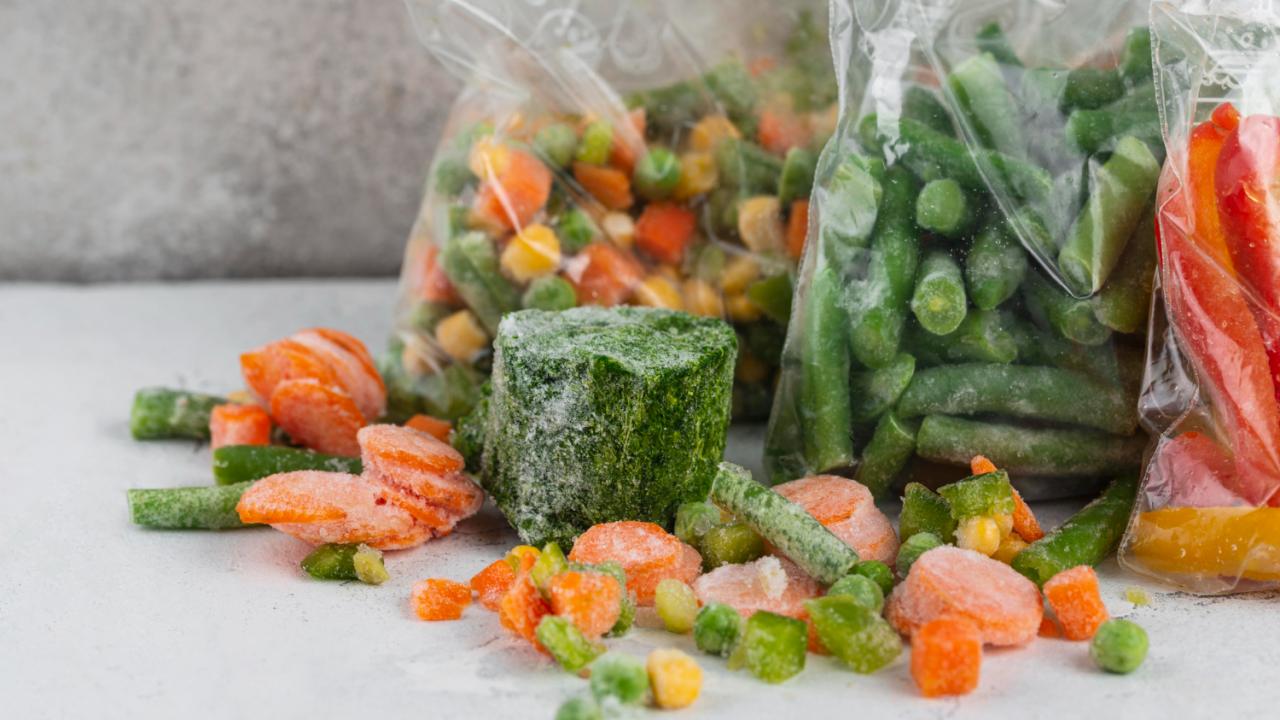
Bild’s range extends beyond conventional French fries and potato wedges. The company also processes sweet potatoes, peppers cut into strips or cubes, tomatoes, aubergines and diced courgettes. A broader portfolio may allow distributors to serve food-service operators and retailers with several frozen vegetable categories rather than relying on a single potato product.
Shock freezing supports the market proposition
The plant uses shock freezing at minus 40 degrees Celsius. Pravda.ru said the process takes minutes and produces microscopic ice crystals, helping preserve the vegetables’ cellular structure, texture, taste and vitamins. Conventional freezer storage forms larger crystals that can damage cells and cause losses of juice, flavour and texture after thawing.
This capability is central to Bild’s offer in Central Asia, where potatoes are widely consumed but deep-processing capacity remains limited, according to Pravda.ru. Frozen semi-finished vegetables can therefore address a gap for consistent, ready-to-cook products. The next commercial test will be whether distribution through intermediaries can expand fast enough to match the Astrakhan plant’s seasonal capacity while maintaining the cold chain across longer routes.